News Home
Academic
Agriculture
Animal Health
Commentary
Community
Environment
Expert Alert
Food
Human Health
Indigenous
Student Support
Technology & Innovation
Find an Expert
View Events
Add an Event
Media Services
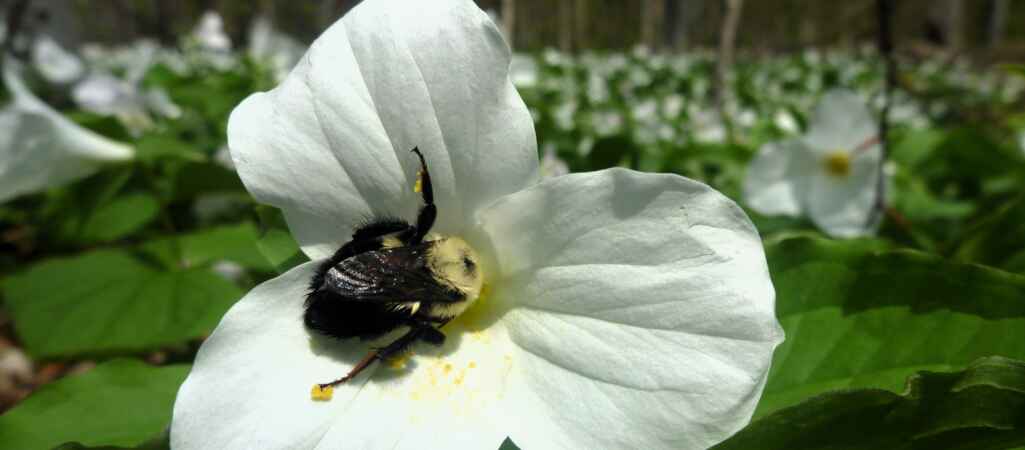
Queen Bumblebees Can Survive Underwater, Finds New U of G Research
Human Health
Top Stories
NHL Taps U of G Prof to Turn Data Analysis into Winning Strategy
Indigenous
Top Stories
Indigenizing Science: U of G Embraces Ojibwe Language in Atrium Renaming
Technology & Innovation
Top Stories
Your Data’s Vulnerable. U of G Computer Scientists Have a Solution
More Top Stories
News Releases
In The News
U of G Videos
Find U of G Experts
Search U of G Experts
Subscribe to
our News
Search News
Search News
Search U of G News
Follow us @UofGuelphNews
News Releases and Notices
More News Releases and Notices
News Release
Research
Ontario Government Invests $ 4.1M in Innovative U of G Research
News Release
Research
U of G Soil Scientist Wins 2023 Steacie Prize
Indigenous
News Release
Indigenous Student Centre at U of G Reflects on 20 Years of Supporting First Nations, Inuit, and Métis Students
Campus News
News Release
Standing Against Racism and Hatred: International Day for the Elimination of Racial Discrimination Statement
In The News
More In The News
Food Waste Researcher Appears on CBC’s The Current
CBC Consults Hospitality Researcher on Tipping
OVC Disease Expert Talks to New York Times, NBC and NPR
Washington Post Consults Nutrition Prof on Caffeine
AI's Use in Insect Cataloguing Project Featured in The Logic
CBC's 'Ideas' Highlights Global Food Security Discussion From Arrell Food Summit
U of G Videos
More Videos
University of Guelph Brand Guide
Accessibility
Brand Promise
Imagery
Copyright and Consent
The Imagery: Still
The Imagery: Video
Back
Logos
Messaging Architecture
Resources
Frequently Asked Questions
Appendix Of Terms
Guelph Gryphons Logo Usage
Brand Requests
Font Request Form
Print & Digital Templates
Back
The Brand Voice
The Colour Palette
University Of Guelph Fonts
Back
Social Media Guide
Accessibility
Content Creation
Brand Consistency
Producing Content
Social Media Resources
Back
Monitoring
Needs Analysis
Policies
Strategy
Support
Back
University of Guelph Style Guide for Writers
Abbreviations and Acronyms
Capitalization
Gender, Sexual Orientation
Numbers
Punctuation
The Writer’s Voice
Titles and Names
Usage
Words: Which Ones and Redundant Ones
Back