In This Issue

Kudos for Top Teachers

College of Arts honours three for excellence in the classroom

BY DAVID DICENZO

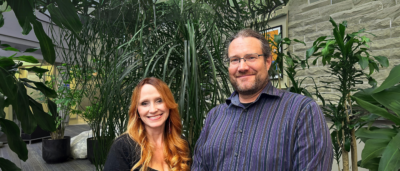
This year’s winners of the College of Arts Teaching Excellence Awards are, from left, Prof. Dawn Cornelio, Jesse Stewart and Kris Gies.
This year's winners of the College of Arts Teaching Excellence Awards are, from left, Prof. Dawn Cornelio, Jesse Stewart and Kris Gies. Photo by Martin Schwalbe

For Prof. Dawn Cornelio, Languages and Literatures, good teaching is about pushing boundaries. A faculty member in the French studies program and co-ordinator of the women's studies program, she expects plenty from her students, and given her status as one of three winners of the 2006 College of Arts Teaching Excellence Awards, it's clear they like her approach.

“The thing I try to do most is make sure the students are very active,” says Cornelio. “They have to come to class, they have to do things, and they like most of the things I ask them to do. They see the reason why.”

Cornelio joins Jesse Stewart, a sessional instructor in the School of Fine Art and Music, and graduate teaching assistant Kris Gies of the Department of History as this year's winners of the college teaching awards.

A 1993 BA graduate of Guelph, Stewart returned in 2002 to begin a PhD in literature/theatre studies in English and became the first recipient of the Brock Doctoral Scholarship, U of G's most prestigious graduate award. In 2005, the accomplished jazz percussionist had a chance to take over teaching the “Music and Popular Culture” course, which draws more than 1,200 students a year. It's been a perfect fit for Stewart, who also teaches drums in a one-on-one setting with students through the University's applied music program.

“It's a real blast to teach ‘Music and Popular Culture,'” he says, adding that he's humbled by the college's recognition of his work. “I'm interested in the subject on many levels. The history of the drum set, which is my main instrument, is in many ways the history of North American popular music. It's wonderful for me in terms of the way it connects to my creative practice.”

Stewart, who's writing his dissertation on the intersections between jazz and hip-hop cultures, admits it's a challenge to squeeze the history of popular North American music into 12 weeks of lectures. From the outset, he explains to students that his material is not the definitive history and encourages them to find links between genres and talk about them. To aid in that, he developed a WebCT component for the course that gives students a chance to discuss the music presented in class, as well as some of their favourite performers.

“None of these styles of music and the performances we're talking about exist in isolation — no music is created in a vacuum,” says Stewart. “They're in constant dialogue with one another. I place an emphasis on dialogue — cultural dialogue, musical dialogue. That extends to my pedagogical approach.”

Gies is following in the footsteps of several other GTAs in the Department of History who have received a College of Arts teaching award. The Michigan native is now in the third year of a PhD in modern Scottish history after majoring in medieval and early Scottish history. Among his students, he is known for his sincere down-to-earth style.

“I make it pretty clear that I'm a student, just like them,” says Gies. “The only difference is that I've continued on in my studies. At the end of the day, I've been through the same trials and tribulations that they're going through.”

He notes that the good experiences he had with TAs as an undergraduate have had an impact on how he approaches teaching today.

“I want to make sure that I, in my little way, can help students through the course of their studies.”

College of Arts dean Don Bruce says each of this year's award recipients has gone above and beyond what's expected of them in an academic setting. And they've made a difference in their students' lives, he says.

“They have all been able in their own ways to establish that really essential link between the teacher and the student, so that it's more than a one-way transfer. It's a collaboration, a sharing of ideas.”

That concept is an integral part of Cornelio's approach. She stresses that the learning process should be participatory, and to that end, she limits the amount of class time devoted to lectures, opting for more of a lab setting that engages students. Her passion for teaching translation, language and race and gender issues is clear to her students, many of whom choose her courses just because she's teaching them.

“If I were to sculpt a professor out of clay and bring her to life to inspire today's youth, I could hardly imagine someone better suited for the job,” wrote one student in support of her award nomination. “Dawn Cornelio is thought-provoking, edgy, devoted and motivational. She is professional, courteous and approachable.”

Cornelio, who received the 2005 Teaching Excellence Award from the Central Student Association, began her career teaching grades 4 to 12 before completing a PhD at the University of Connecticut and moving to a university setting. She arrived at Guelph in 2002. Here, she thrives on constantly challenging students to see what they're capable of.

“I often try to get students to do things that are a little bit beyond their comfort zone, but I also give them permission to fail,” she says. “I'd rather they get it wrong than not make an attempt.”


TOP