Master of Applied Molecular and Health Sciences
Degree
- MAMHS (Master of Applied Molecular and Health Sciences)
Program Type
- Coursework
Delivery
- On-campus
Entry Terms & Deadlines
Domestic:
- Winter (January): December 12
International:
- Winter (January): November 12
Duration
- Full Time: 12 months
A first-of-its-kind in Canada, the Master of Applied Molecular and Health Sciences (MAMHS) is a one-year, course-based graduate program that blends advanced molecular biology with emerging fields, such as AI-driven drug discovery, immunology, and stem cell research models.
The program provides both technical proficiency and professional development, preparing students for impactful careers in biotechnology, biomanufacturing, therapeutic development, and precision medicine.
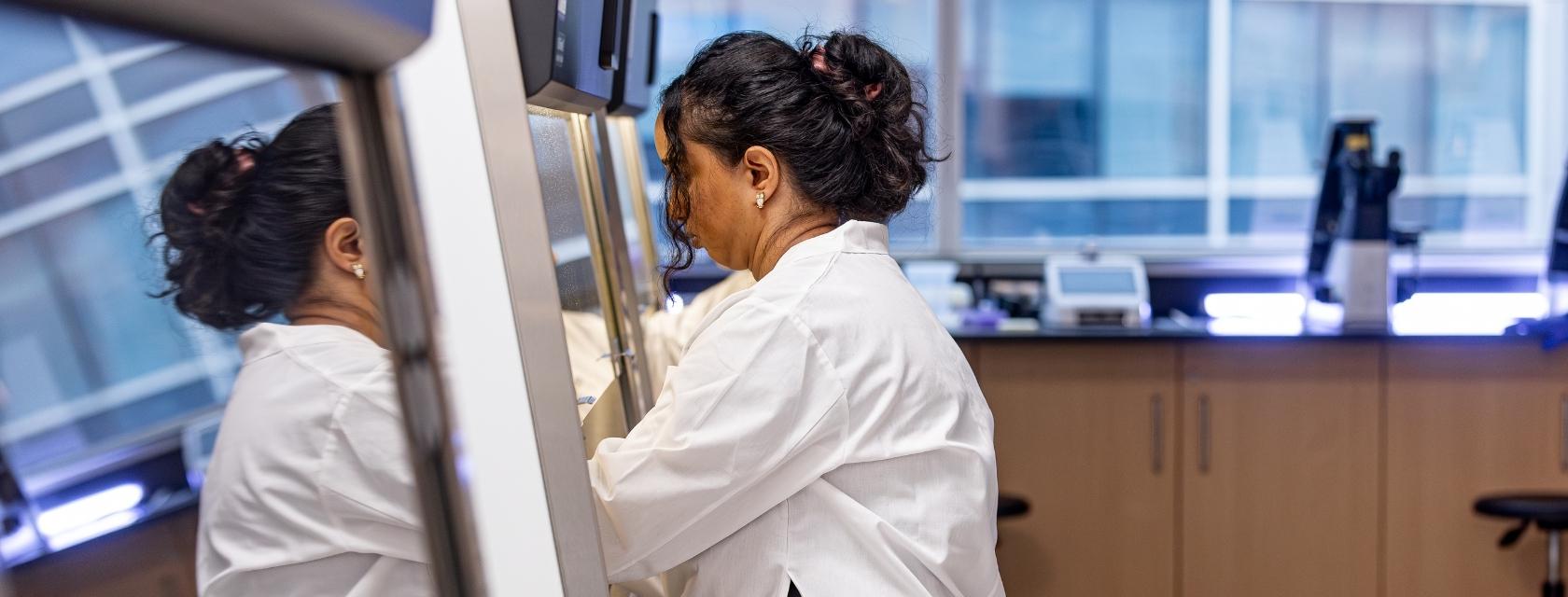
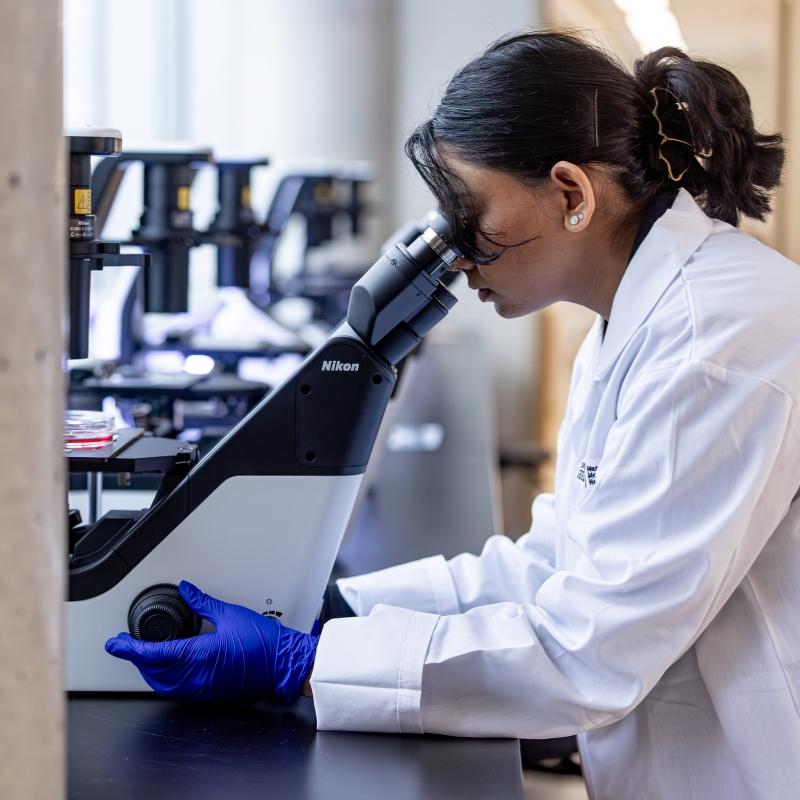
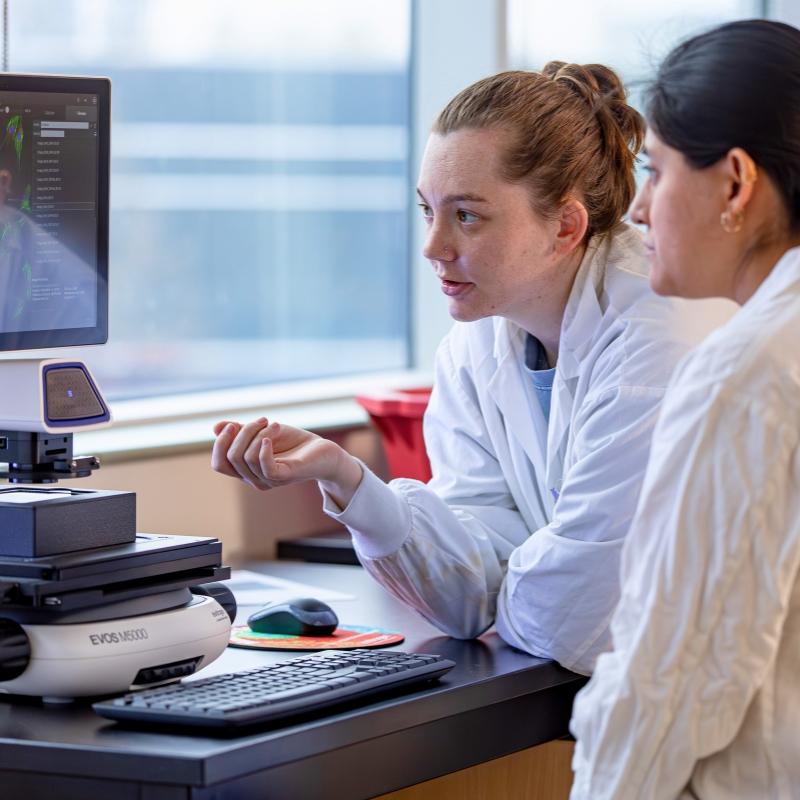
Students learn from leading experts in the fields of immunology, genetics, bioinformatics, microbiology, and molecular biology while gaining hands-on experience in state-of-the-art facilities for tissue culture, microscopy, genomics, nuclear magnetic resonance, and mass spectrometry.
Authentic and industry-relevant scenarios are explored throughout the curriculum, including regulatory case studies, computational and AI-driven exercises, ethical dilemma debates, biomanufacturing scale-up challenges, and experimental projects.
With a strong emphasis on leadership, ethics, and scientific communication, the MAMHS program prepares future leaders in the biomedicine and biological science fields.
Career-Ready Learning
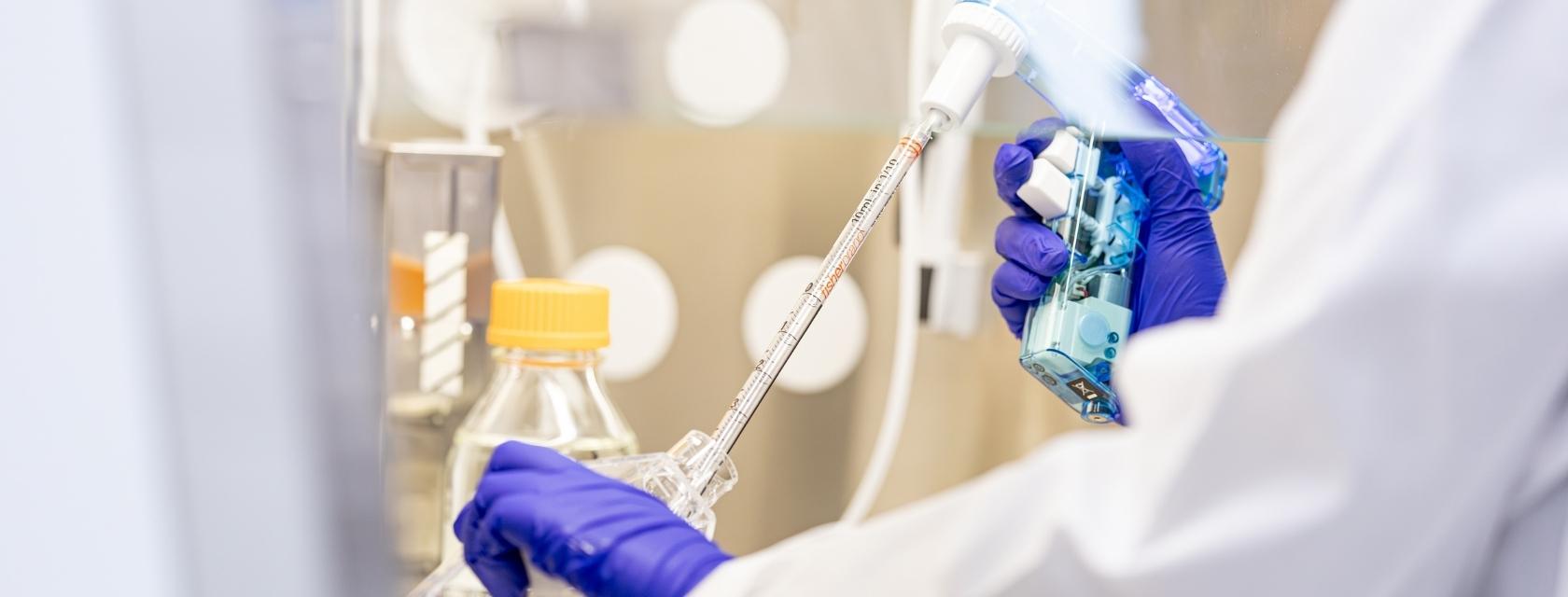
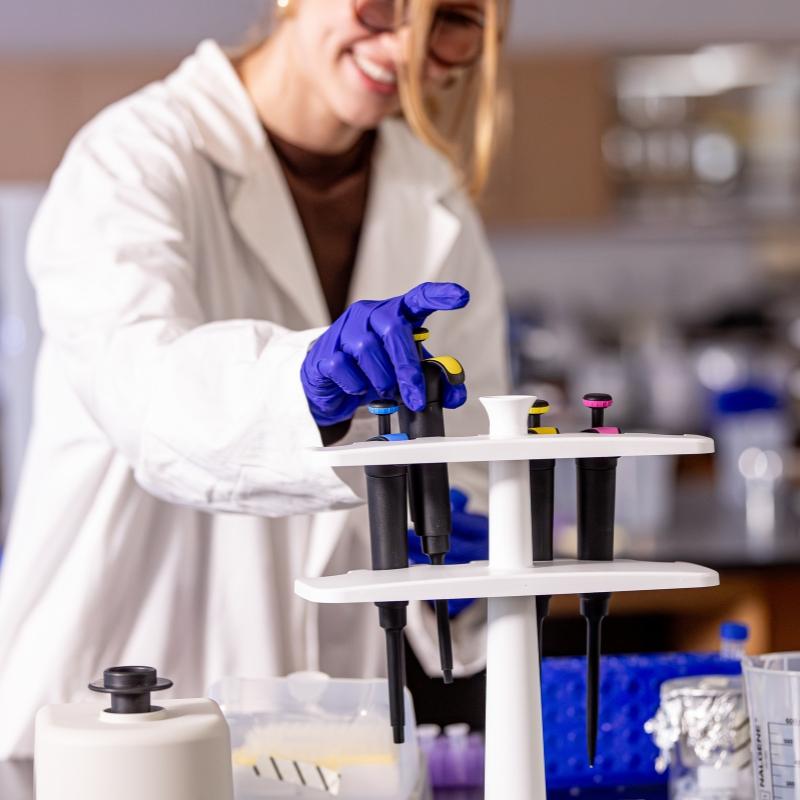
MAMHS students gain intensive, hands-on training in the lab, accessing state-of-the-art tissue culture, microscopy, genomics, and mass spectrometry facilities. Through computational projects, students harness machine learning and molecular modelling tools to analyze data, predict drug-target interactions, and accelerate discovery.
Pathway to Leadership
MAMHS is designed to fast-track students into careers in biotechnology, pharmaceuticals, and precision medicine. Professional and leadership development is intentionally integrated into the program, through case studies, regulatory simulations, competitions, and a capstone course focused on ethics, communication, and leadership development.
Learn from Leading Experts
Through small classes and labs, students receive hands-on training and benefit from the expertise of researchers working at the forefront of immunology, genetics, protein therapeutics, stem cell biology, and AI-driven drug discovery.
Degree Details
The Master of Applied Molecular and Health Sciences is a one-year, course-based program (three semesters or 12 months) starting in the winter semester (January) each year. Students complete eight core courses over three semesters.
The program culminates with two capstone courses, which integrate the knowledge and skills students have learned throughout the program, with a focus on technical and leadership expertise.
- Top 150 in the World
- for Life Sciences (Times Higher Education 2026)
- #1 in Total Research Dollars
- in Canada for a Comprehensive University (Maclean’s)
- Top 20% in the World
- For Biological Sciences (QS Top Universities 2026)
- $187 Million+
- in Research Revenues Each Year
Career Paths
MAMHS graduates step into diverse career paths, including biotechnology startups and drug development research, or pursue further professional or doctoral studies. Future careers include:
- Bioinformatics analyst
- Biomanufacturing specialist
- Biotechnologist
- Clinical research associate
- Public health policy analyst
- Regulatory affairs specialist
- Scientific advisor
- Vaccine developer
Hear from MAMHS Students

The MAMHS program has allowed me to grow as a researcher and a professional while exploring areas of biomedical research that I had not previously experienced. Coming into the program, I wanted to strengthen my molecular biology skills and gain a better understanding of how research can translate into applications in human health. I particularly value the extensive hands-on training and the opportunity to work with emerging technologies, stem-cell models, and organoid systems in courses like MCB*6630/MCB*6640. Through these experiences, MAMHS has sparked my interest in translational medicine and shaped a goal of pursuing a career connecting molecular research with clinical and healthcare applications.

What I value most about the MAMHS program is how much hands-on experience is built into a one-year master’s. Having an entire semester dedicated to laboratory work has allowed me to learn techniques that go beyond what is typically available in course-based programs, including differentiating stem cells into specialized cell types such as cardiomyocytes. These experiences have helped me to gain confidence working in a laboratory setting and prepared me for future opportunities in the sciences.

My experience in the MAMHS program has given me the opportunity to learn about some of the most exciting and rapidly developing areas of molecular and health sciences. What stands out most to me is how unique and cutting-edge the course content is, particularly the integration of areas such as AI-driven drug design, stem cell biology and translational medicine. The combination of advanced coursework and hands-on learning has allowed me to develop a diverse set of applicable skills that I can carry forward into my future career. I'm especially grateful for the opportunity to learn from supportive faculty who are actively contributing to these innovative fields.

The MAMHS program has provided an opportunity to develop my knowledge in various areas in molecular biology. The first semester consists of learning the fundamentals of immunology, cell biology and the use of AI in drug design while the course assignments allowed me to apply these concepts. My favourite part of the program was the laboratory component, where I gained hands-on experience with techniques such as stem cell culture, CRISPR, and organoid development. The program has helped me understand how scientific concepts are translated into practical laboratory applications and has given me greater confidence as I prepare for future opportunities. On top of that, the faculty have been incredibly supportive!
Admission Details
Contact Us
Patricia Van Asten, MAMHS Program Coordinator
mamhs@uoguelph.ca
519-824-4120 x56474
Dr. Jasmin Lalonde, MAMHS Program Director
jlalon07@uoguelph.ca
519-824-4120 x54706