Interview with Marika Bowrin
Tell us about yourself and why you chose to study Environmental Sciences at the University of Guelph?
Growing up, I always valued being outdoors in nature and the environment and knew I wanted to learn more about it and possibly build a career in the field. Studying environmental science opened my eyes to how vast and interdisciplinary the field really is. While researching programs, I came across the University of Guelph and was instantly drawn to it. Coming from a small island state in the Caribbean (Trinidad and Tobago), the idea of attending a big city university felt a bit daunting, but Guelph struck the perfect balance for me. A vibrant campus community with a welcoming, close-knit feel. Guelph’s reputation for excellence in environmental programs and research made it the obvious choice.
What did you like most about your program? Is there anything in particular about the courses or professors that stands out to you?
What I liked most was the flexibility and choice the program offered. As I mentioned before, Environmental Sciences is such a broad field, and Guelph really allows you to explore different paths. The program offered various majors that catered to different interests from ecology, environmental economics and policy to resource management.
I chose the Environment and Resource Management major (the "geography" major) because it combined my interests in environmental policy, sustainability, and resource use, while developing skills in geomatics and physical geography. The human geography courses were my favourite as they were so engaging and applicable to things I observed in my own life experiences. The professors were also incredibly passionate and supportive, often bringing real-world examples and case studies into the classroom and seminars, which made the learning experience engaging. I had the opportunity to work on many projects that pushed me to grow as both a researcher and a lifelong learner. My capstone group project was a particularly unique experience that gave us the chance to manage a year-long research project and present our paper and poster to the professionals we collaborated with.
Did you do co-op? If yes, tell us a bit about your co-op job and your experience.
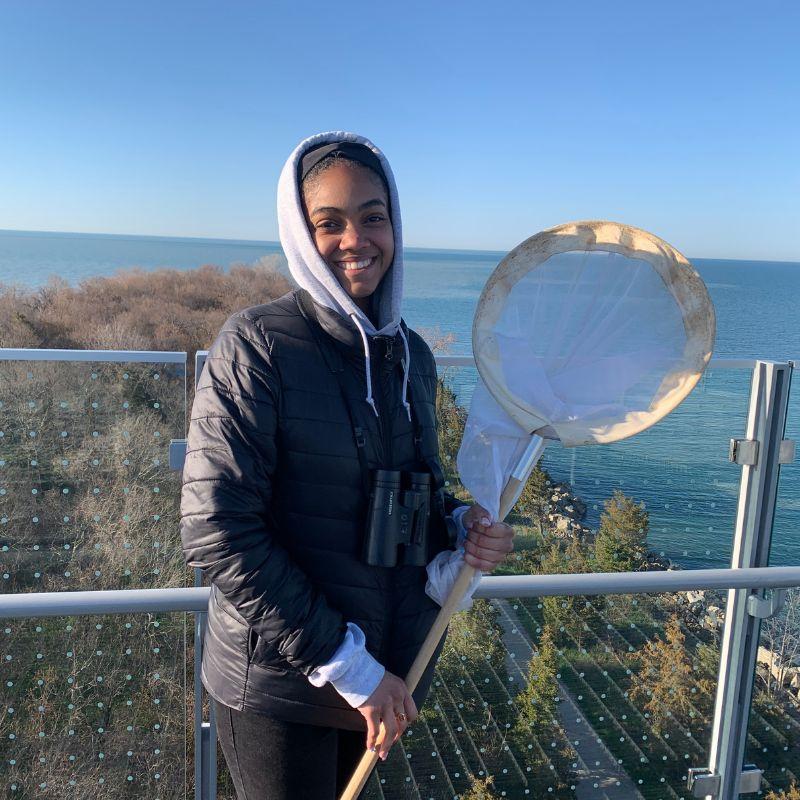
Yes, I was fortunate that my program included a co-op option. I completed four work placements during my degree, and each one offered a completely different experience and perspective. I worked with the University’s Admissions department, The Arboretum, an environmental consulting firm, and the Ministry of Infrastructure. Each placement helped me develop new skills from fieldwork and environmental assessments to project coordination and communication. The co-op team at Guelph was amazing in preparing us for these opportunities, whether through résumé workshops, interview coaching, or ongoing support during placements. It’s easy to feel discouraged during the process if it takes a while to secure a placement, but the team was so supportive, and their guidance made the experience so much easier. I’m incredibly grateful for those opportunities; they were some of the most valuable parts of my degree.
Where are you currently working and what is your role?
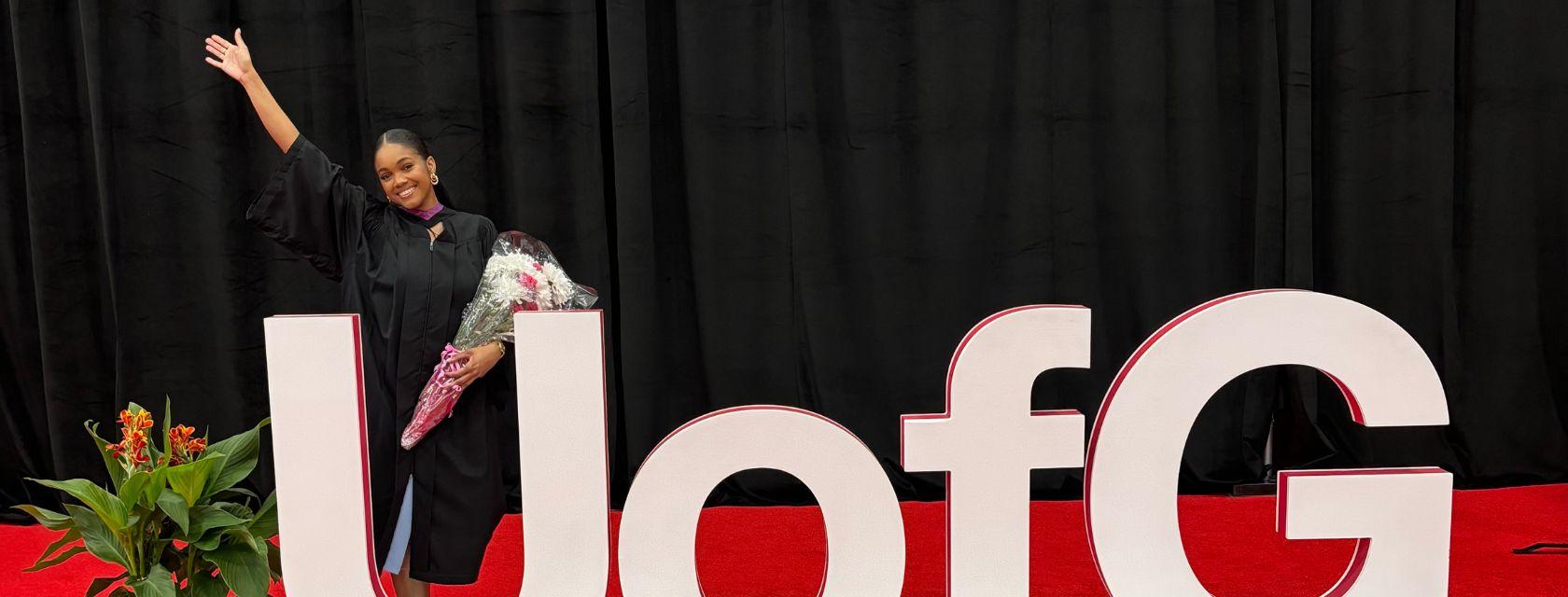
I’m currently pursuing my master’s degree at the University of Guelph! I loved my undergrad experience so much that I decided to stay. I’m now in my second year of the MA Geography program, working on a research project that’s deeply meaningful to me and collaborating with inspiring professors and peers.
How did your degree and time at the University of Guelph help get you to where you are today? How do the skills and education you gained help with your current work?
My Environmental Sciences degree gave me a strong foundation in both the scientific and social aspects of environmental issue, from field methods and data analysis to understanding management and governance. These skills directly influenced and shaped my ability to pursue research at the graduate level. Beyond academics, I was involved in extracurricular activities and served as Secretary of the Roots and Shoots U of G Chapter for a year. These experiences taught me how to think critically, communicate and collaborate effectively. The emphasis on experiential learning had a lasting impact on how I approach problem solving today.
What advice would you give someone considering the Environmental Sciences program or applying to the University of Guelph?
I would say be open to exploring different areas of environmental science and the wide range of courses available to you! You may discover new interests you didn't expect. That was my experience as I entered the program originally interested in the biophysical aspects but ended up being drawn to the human geography and social side.
Take advantage of the resources available to you and the co-op opportunities, as they make a real difference in shaping your outlook. Additionally, don't be afraid to connect with your professors and peers as the Guelph community is incredibly supportive, and those connections can lead to amazing opportunities.
Bonus Questions