Course-Based Master's Programs
Expand Your Possibilities with a Course-Based Master's Degree
Combine advanced learning with real-world application in the broad topics of animals, agricultural science and the environment.
Complete your master's degree in less time than a traditional research-focused degree and build specialized knowledge, practical skills, and professional experience you need to become a leader in the global agri-food sector.
Explore Master's Programs in the Ontario Agricultural College







Industry-Focused Learning
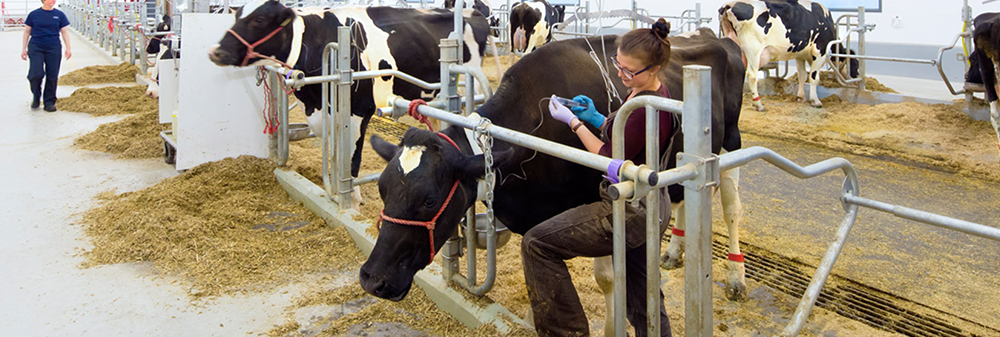
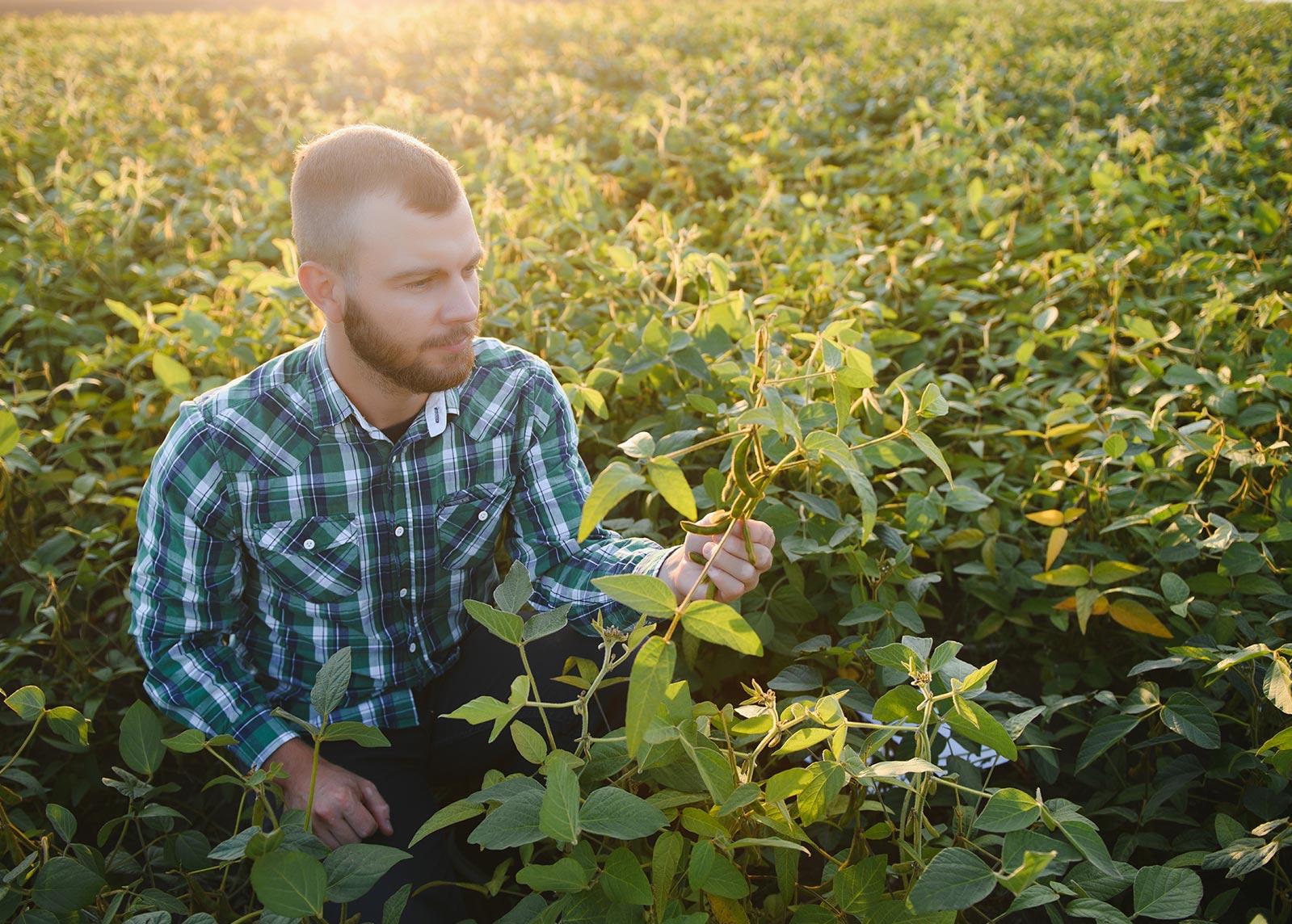
Take your learning beyond the classroom through internships, group projects and hands-on opportunities with industry. By working on real-world challenges and building connections with employers, you’ll gain practical experience, develop career-ready skills and build a professional network that can give you an advantage in the job market.
Advantages of a course-based master's:
- Shorter program length – Graduate faster and move forward in your career.
- Hands-on skill development – Deepen your expertise beyond your undergraduate degree with courses designed to prepare you for leadership roles.
- Professional experience – Gain valuable industry connections and hands-on learning through paid internship opportunities.
- 12 - 16 month
- program length
- Internships & employer networking
- Connect with hiring organizations
- Ranked #1 in Canada
- For agricultural, food and animal science
- 9 professional programs
- study food, animals, agriculture, communities or the environment
Meet Our Students

I have close to ten years of experience working in agriculture through government institutions, NGOs and even U.N. agencies. I'm really interested in gaining theoretical and practical skills to be a strong agricultural economist.

I chose the University of Guelph’s Master in Environmental Science program primarily due to the diverse range of courses it offers. This variety, combined with the flexible course scheduling, has allowed me to complete my studies at a pace that suits me best. Many of my courses involve field trips to apply techniques and concepts learned in class, such as the trip we took to the credit river as part of Stressors in the Great Lakes course.

My research is assessing the influence of the chemical properties of various forms of manure on the molecular structure of soil organic matter. My research aims to see how differences in their chemical forms affect sustainable production of grain crops in Ontario.

I chose the MFARE program because I want to be a consultant in the agricultural sector. I hope to support communities and farmers around the world.

When I was looking at the CDE program, I reached out to a couple of graduated students in different fields to talk about their experience in the program. This information was very valuable and helped me to make a confident choice.