Healthy Campus: Food Security
Together we can create a healthy campus where every student has enough to eat.
What Does It Mean to Be Food Insecure?
- Food Insecurity: When someone's ability to consistently access safe and nutritious food is limited by financial or social circumstances.
- Food Security: When someone has sufficient physical, social, and economic access to safe and nutritious food.
Why is Food Security Important to Postsecondary Students?
Approximately 39% (NCHA 2022) of postsecondary students experience food insecurity. This can adversely affect a student’s health, well-being, and academic performance. By ensuring students have sufficient and secure access to food we can enhance their ability to reach their full academic potential.
Creating a Food Secure Campus Starts by...
Are You Worried About Not Having Enough to Eat?
If you are facing food insecurity, the U of G has resources that can help.

CSA Student Food Bank
Provides graduate and undergraduate University of Guelph students access to emergency food and anti-poverty resources.
MealCare Guelph
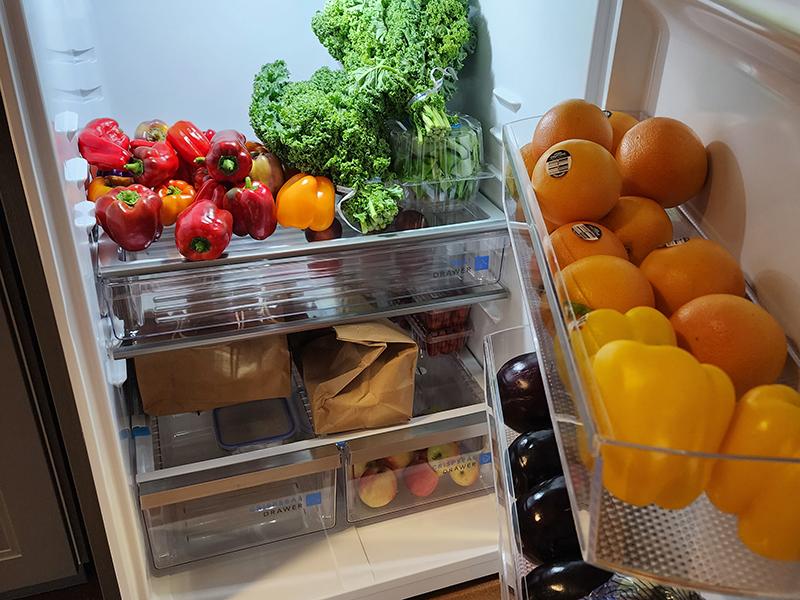
A community fridge located in the University Centre (UC) accessible to all U of G community members and regularly stocked with fresh and healthy food.
U of G Food Market
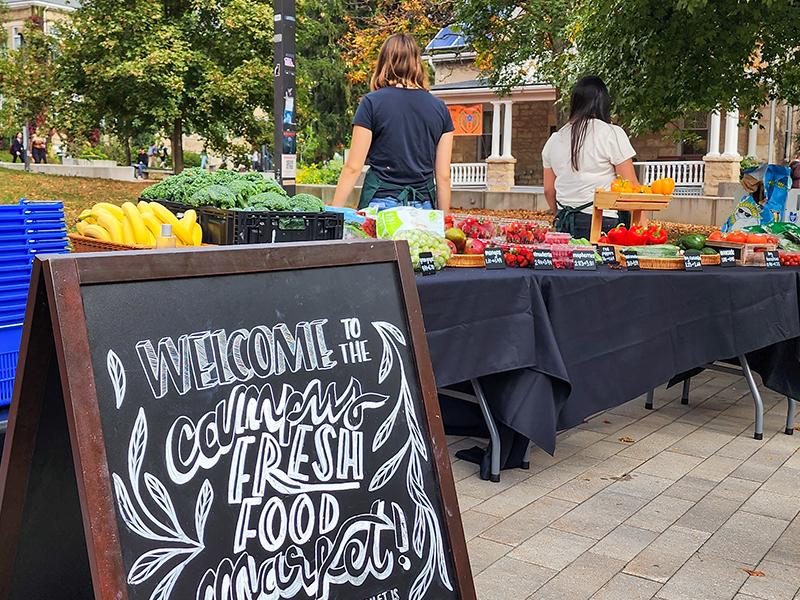
A sliding-scale fresh produce market operates at several locations across campus during the Fall and Winter academic semesters.
Food Access Guides
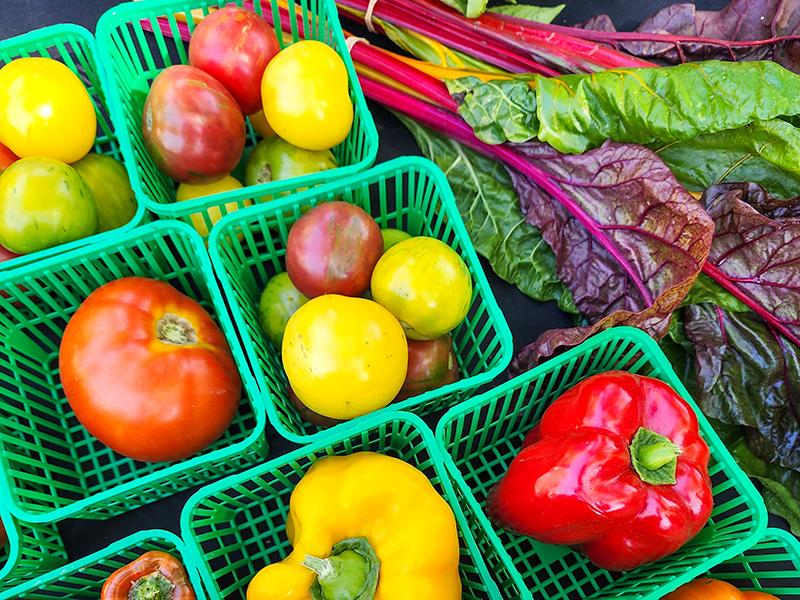
These guides help students and community members find where to access free or low-cost food.
Do You Feel Financially Secure?
Getting financial support and enhancing your financial literacy can help you navigate economic challenges and improve your access to food. Explore services and resources to support students on a wide range of financial matters.
- Student Financial Services
- Emergency Financial Counselling
- Robert Auger Humanitarian Bursary
- Scholarships and Financial Aid
- Budgeting and Financial Literacy Resources
Hiring a Student? Consider Becoming a Living Wage Employer
The Ontario Living Wage Network defines a living wage as “the hourly wage a worker needs to earn to cover their basic expenses and participate in their community.” In 2023, the Living Wage rate for Guelph was $20.90 / hr. If you employ a student or provide a funding package for their degree program, consider aligning your rates with the living wage for Guelph.
Expand Your Understanding of Food and Nutrition
Having a better understanding of nutrition and how to properly prepare food can empower you to make informed choices about your diet.
Take Action on Food Insecurity
By supporting each other, we can all work towards creating a more food secure campus.
Address food insecurity directly by exploring the many volunteer opportunities available on campus.
Food Growing Organizations:
Join this campus-based food security initiative on its mission to cultivate food crops sustainably in a safe and inclusive environment to support the Guelph Student FoodBank and its visitors.
Guelph Centre for Urban Organic Farming
Help with every stage of production from seed starting and bed preparation to harvesting for market at this one-hectare learning and research farm located on campus.
Student Food Organizations:
You can support this on-campus, sliding-scale fresh produce market by volunteering, or simply purchasing produce! When staff and faculty purchase items at full price, it helps balance out the 'sliding scale' – allowing students to purchase their produce at a discount suited to their budget.
Join this student-led organization as they work to divert food waste, one meal at a time.
Food Security Projects Group
Join for the chance to meet regularly with students and staff from across campus to coordinate action on food security. Contact Lindzie O'Reilly for details.
If you are you in crisis, feel unsafe, or are worried you might hurt yourself or others urgent help is available.