Strategic Plan 2024-2025 Achievements
Deepening Our Impact on the World

Debut in THE World Reputation Rankings
U of G appeared in the Times Higher Education World Reputation Rankings for the first time, placing between 201–300 globally and tied for ninth among Canadian Universities. This recognition reflects growing international esteem for the University’s academic strengths, leadership in research, and relevance to global issues. It underscores our increasing visibility as a destination for world-class faculty, collaborators, and students.
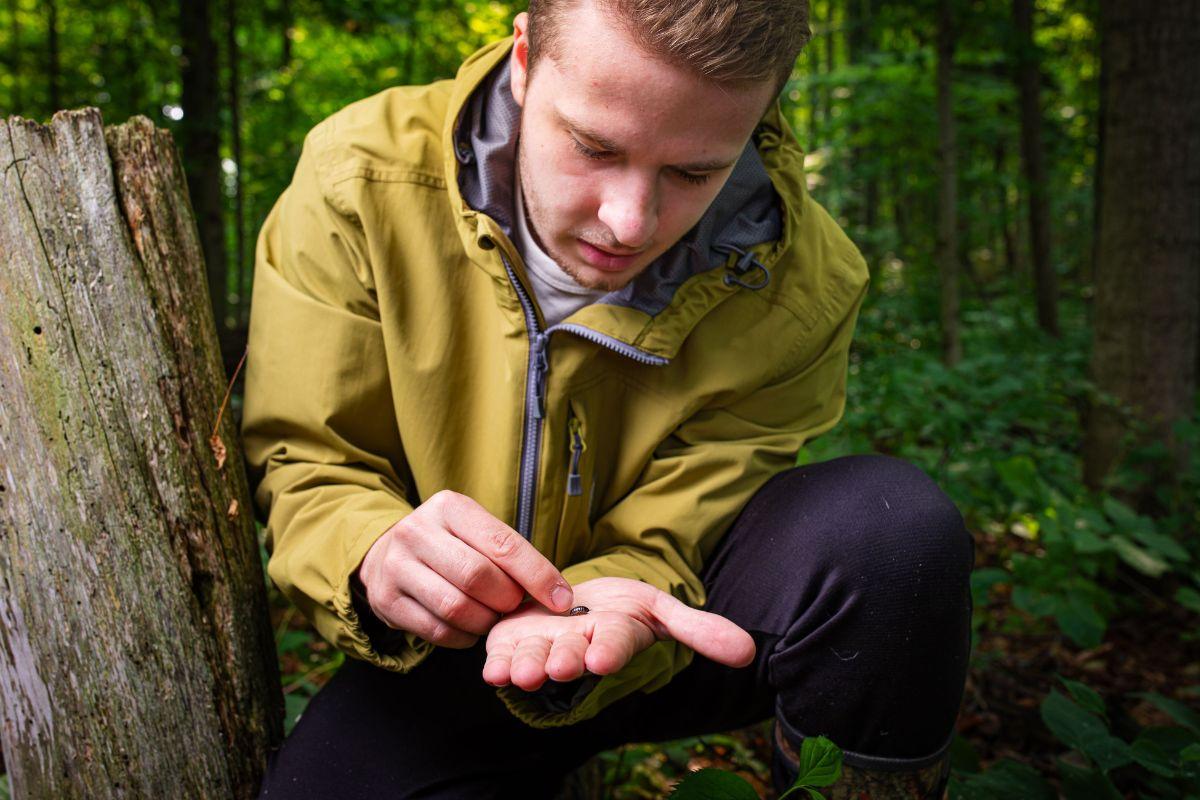
Named a Top-150 Global Institution in Life Sciences
U of G was ranked among the top 150 universities globally in life sciences and sixth in Canada, affirming the University’s excellence in veterinary medicine, agriculture, biological sciences, and environmental health. This performance reflects deep disciplinary strength in sectors that shape global health, sustainability, and food systems.

Strengthened Canada–Philippines Agricultural Partnership
Through a renewed Memorandum of Understanding with the University of the Philippines Los Baños, U of G expanded international research, training, and exchange focused on climate-resilient agriculture and sustainable development. This partnership strengthens global knowledge-sharing and enhances institutional reach across borders. It reflects our commitment to advancing sustainable food systems that support communities worldwide.

National Research Funding for Food Safety
Six U of G researchers received over $3M in federal funding to advance poultry health and food safety, projects designed to improve industry resilience, public health, and export standards globally. These investments illustrate our leadership in generating solutions relevant to worldwide food systems.
Transforming Our University Through I-EDI
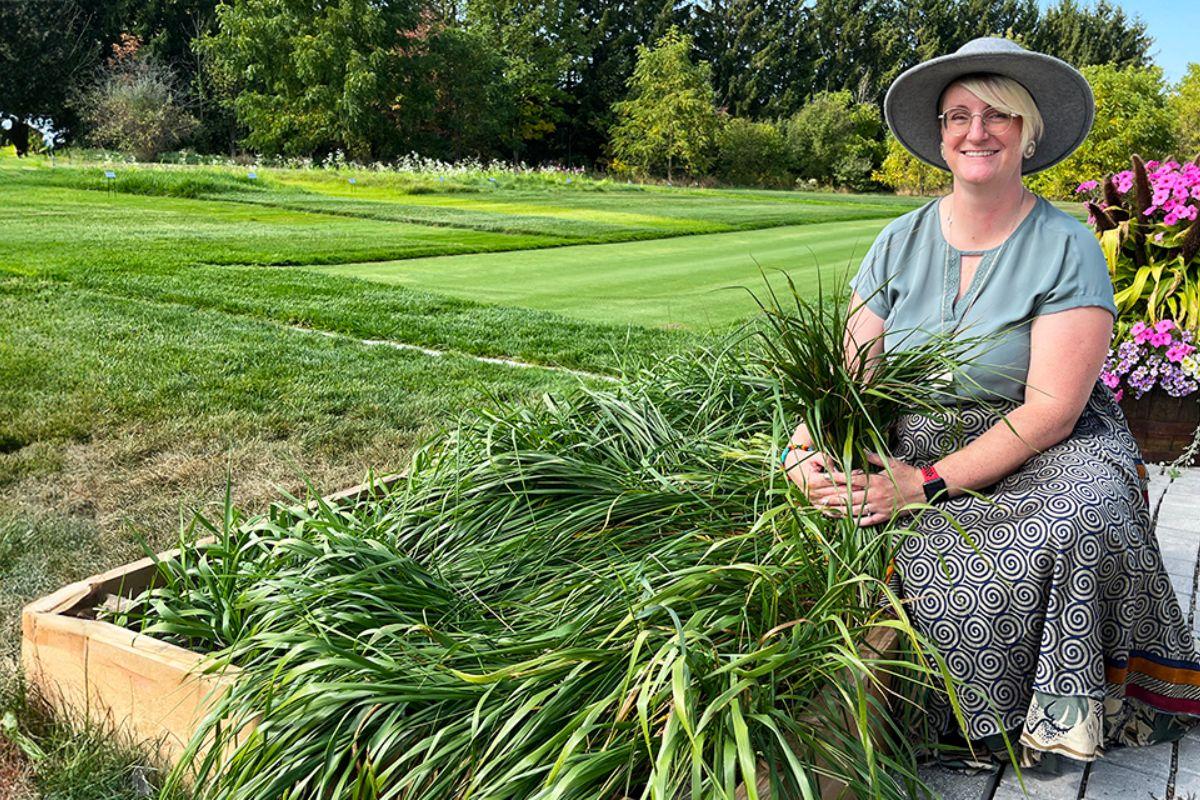
Mawadisidiwag Sweetgrass Garden
Built in collaboration with Indigenous Elders, students, and the Indigenous Student Centre, the Mawadisidiwag sweetgrass garden is more than a teaching space—it’s a living symbol of reconciliation. Situated on Treaty 3 land, the garden supports land-based learning, community-building, and the integration of Indigenous knowledge into everyday campus life.

OUTline Campus LGBTQ2IA+ Support Expands
Celebrating 50 years of continuous service, OUTline remains a vibrant resource that has grown from a simple helpline into a hub for peer-led programming, events, and support for LGBTQ2IA+ students. This year’s expanded offerings, including gender diverse discussion groups and sessions on precolonial queer identities, underscore student leadership in shaping inclusive, resilient communities.

Gender-Inclusive Housing Enhances Safety and Choice
Following broad student consultation, U of G expanded its gender-inclusive housing options, making it easier for students of all gender identities to find safe, comfortable residence accommodations. This enhancement reflects an institutional commitment to inclusive policy design and equitable student experience.
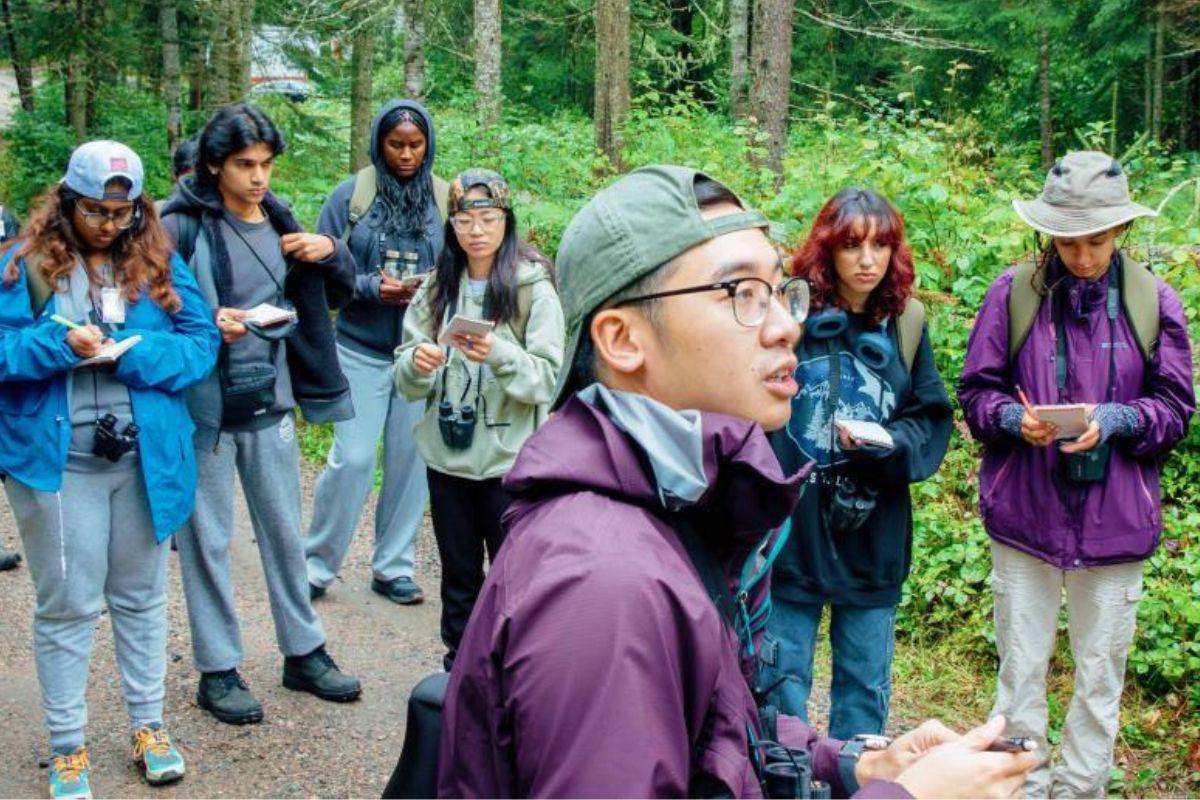
Removing Barriers to Field Research for Underrepresented Students
In August 2024, U of G supported students in a week-long FREED field course at the Algonquin Wildlife Research Station. Students gained immersive training in ecological research while building community and mentorship connections, an intentional effort to broaden STEM pathways for equity-deserving groups.
Advancing U of G’s Distinctive Student Experience That Fuels Success and Future Impact
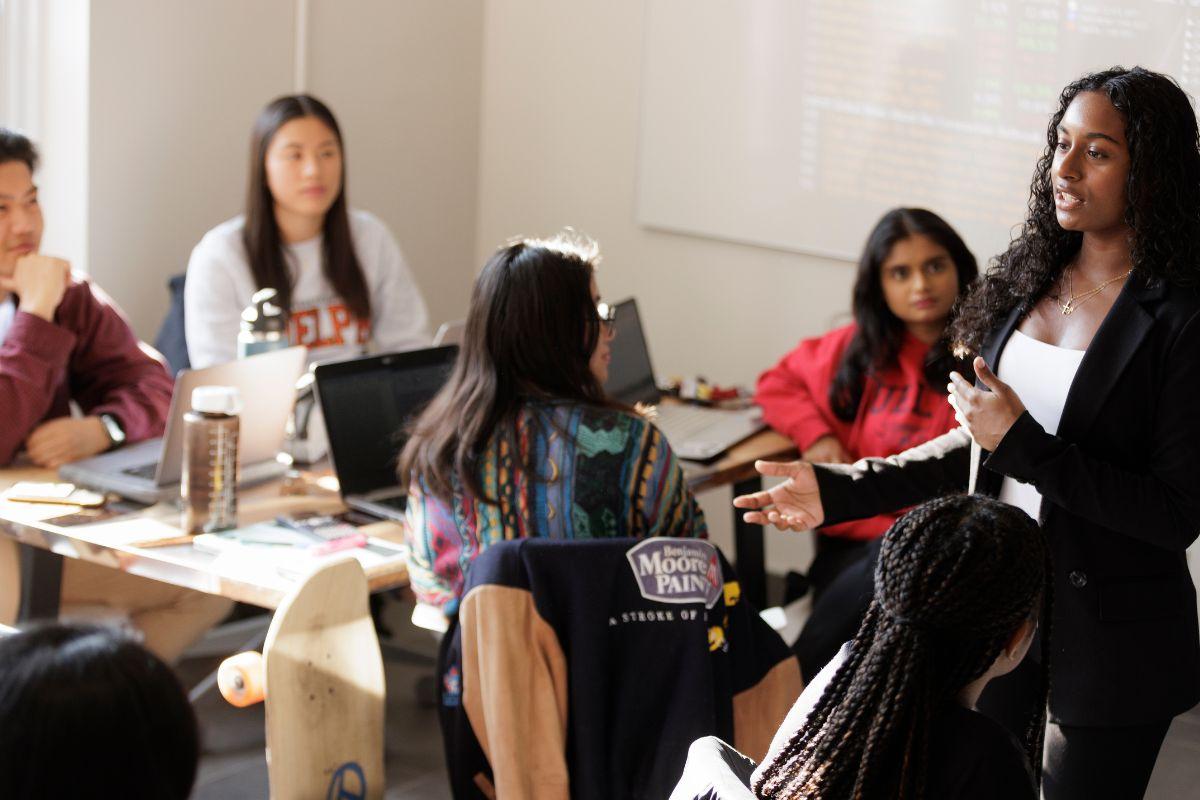
School of Continuing Studies: Flexibility & Lifelong Learning
With the launch of the School of Continuing Studies in August 2024, U of G created a dedicated academic home for non-traditional learners. The school aims to cultivate a tomorrow-ready institution and create more pathways designed to meet the diverse needs of international, part-time, and lifelong learners.

Trauma-Informed Training to Support Student Success
U of G launched Trauma-Informed Care Training: Connecting with Compassion (TIC:CC), a two-hour session designed to help faculty and staff respond with empathy and awareness to students navigating mental health challenges, past trauma, or marginalization.

Graduate Learning in Action: Internships and Clinical Experience
A new internship course launched by the Ontario Agricultural College connects master’s students with real-world placements in agri-food, environmental science, and public health—bridging academic learning with professional development. Meanwhile, at the newly opened Maplewoods Centre for Family Therapy and Child Psychology, clinical graduate students are delivering supervised care to the community while gaining vital hands-on experience.
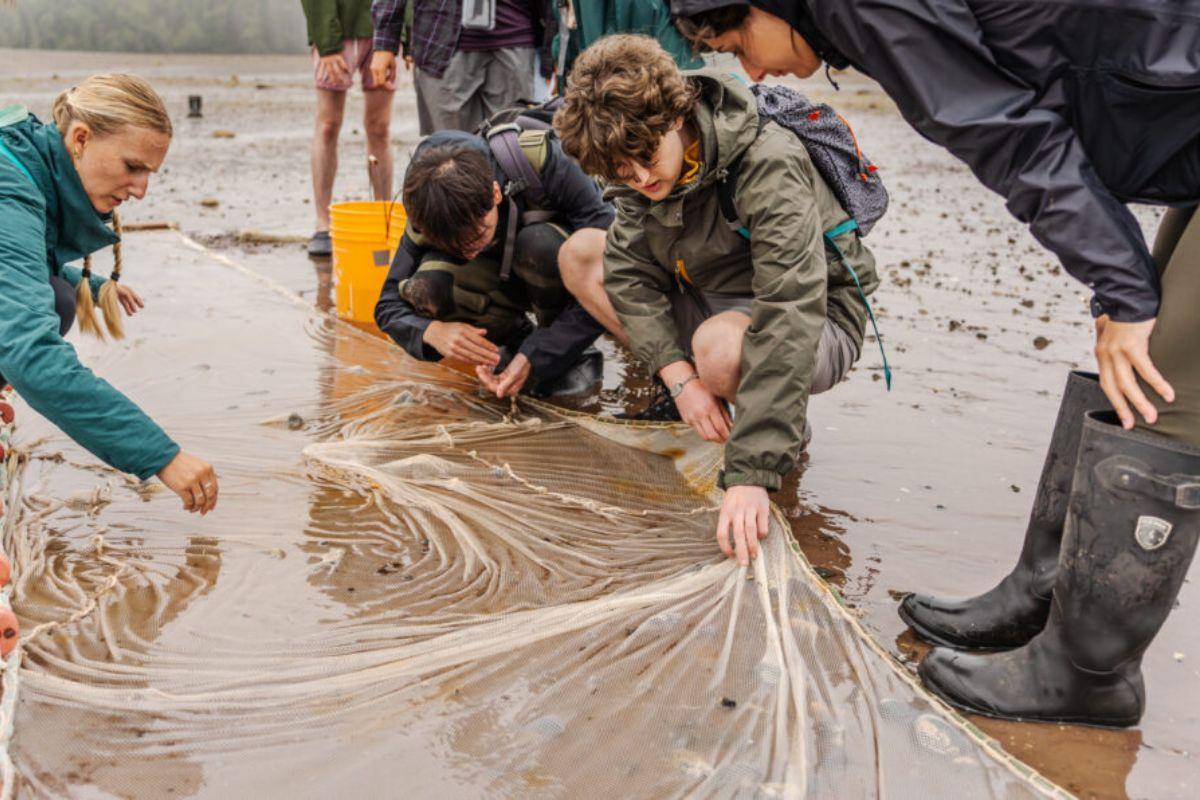
Undergraduate Marine Biology Field Course
U of G’s renowned coastal Marine Biology and Oceanography field course launched a two-week session in November 2024 at the Huntsman Marine Science Centre. Students gathered real-world ecological data, worked with Indigenous Peskotomuhkati Elders, and explored tidal ecosystems, gaining hands-on research experience and a deeper understanding of science and culture.
Building a Sustainable Tomorrow
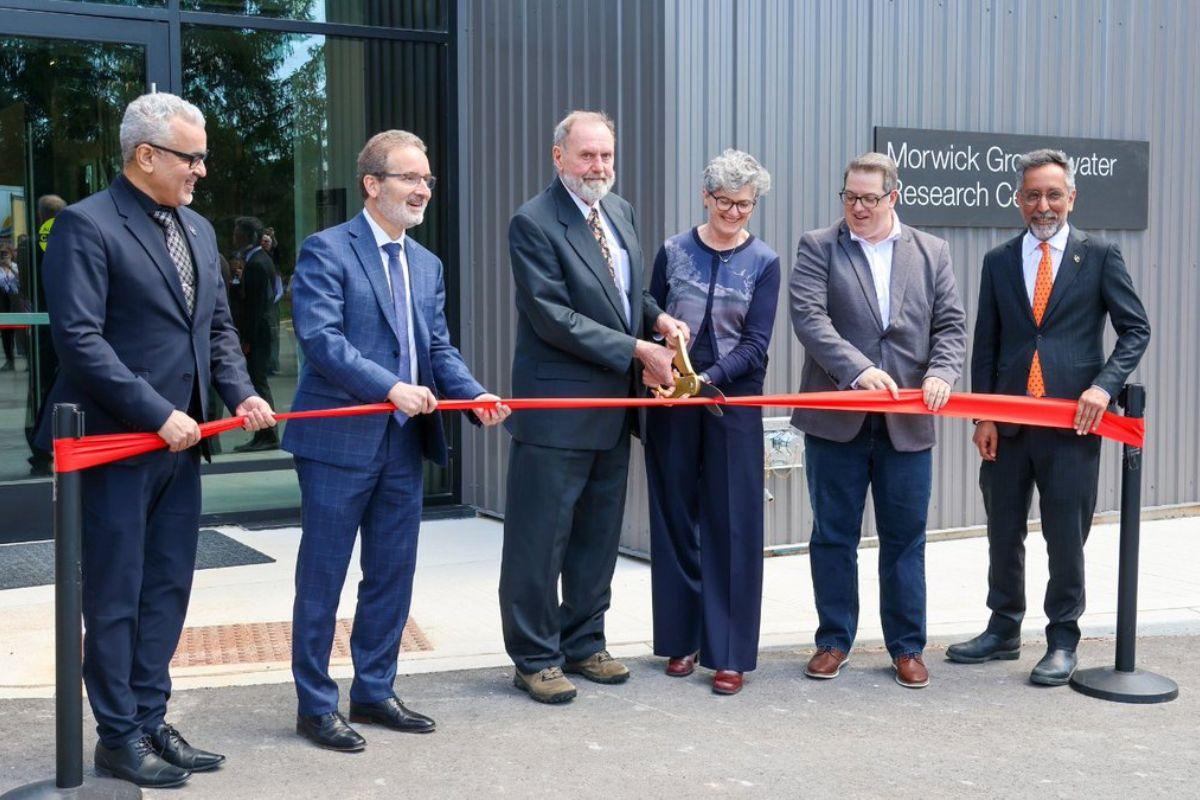
Morwick Groundwater Research Centre Opens
The new Morwick Groundwater Research Centre brings hydrology to life. Set directly above a bedrock aquifer, the facility equips students with state-of-the-art lab spaces, field tools, and public educational displays, deepening our understanding of water systems and elevating U of G’s stature in global water stewardship.

Fossil-Fuel Divestment Completed
U of G fulfilled its five-year commitment by fully divesting from fossil fuels, reducing carbon intensity in its endowment by 74% since 2018. This not only aligns university funds with a low-carbon future but also demonstrates financial stewardship rooted in sustainability principles
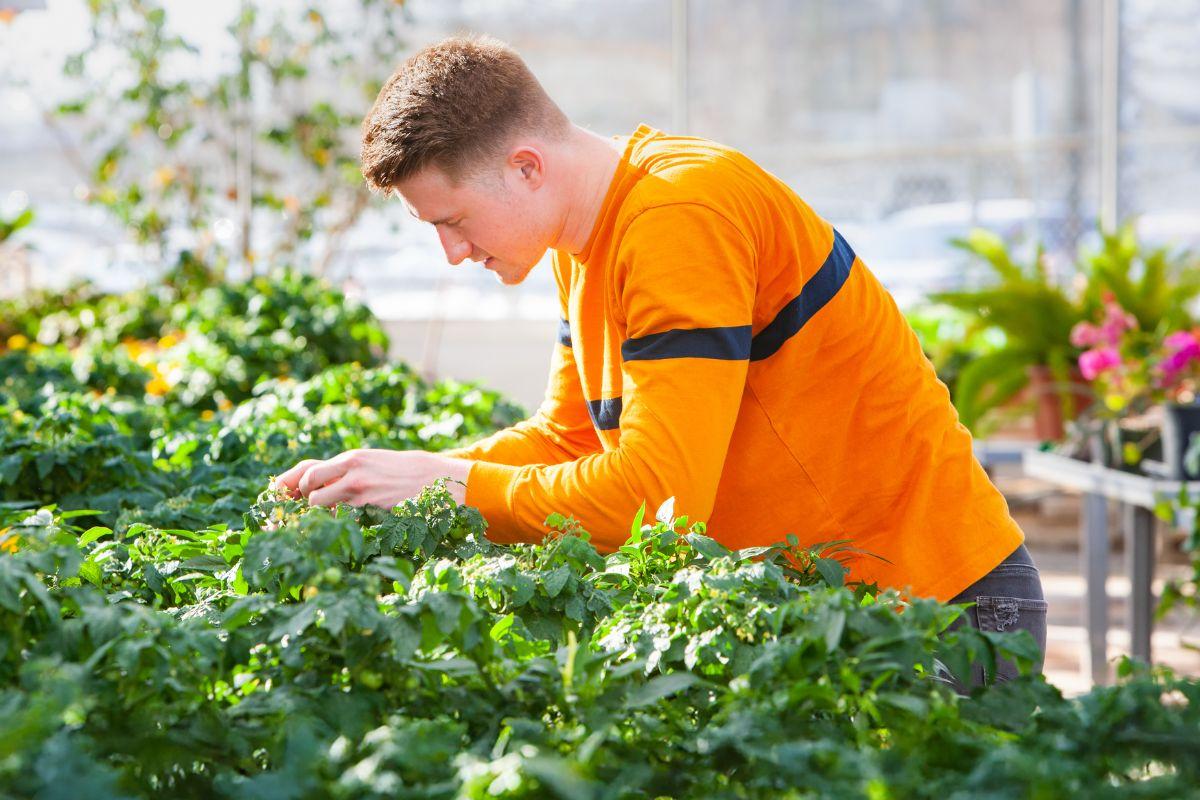
Sustainable Food Systems for Canada (SF4C) Platform Launches
The University received a Lab to Market grant for nearly $16.3 million over five years to support the launch of SF4C. Backed by over 40 national partners, SF4C bridges lab research with real-world applications, equipping future leaders with skills, mentorship, and networks to drive sustainable transformation in food production.

Master of Sustainable Agriculture Program
To further its leadership in agri-food education, U of G announced the Master of Sustainable Agriculture program, with enrolment beginning in summer 2025. The new degree blends interdisciplinary training, field experience, and policy insight, preparing students to develop future-ready food systems that balance productivity with sustainability and resilience.
Supporting Faculty and Staff Success
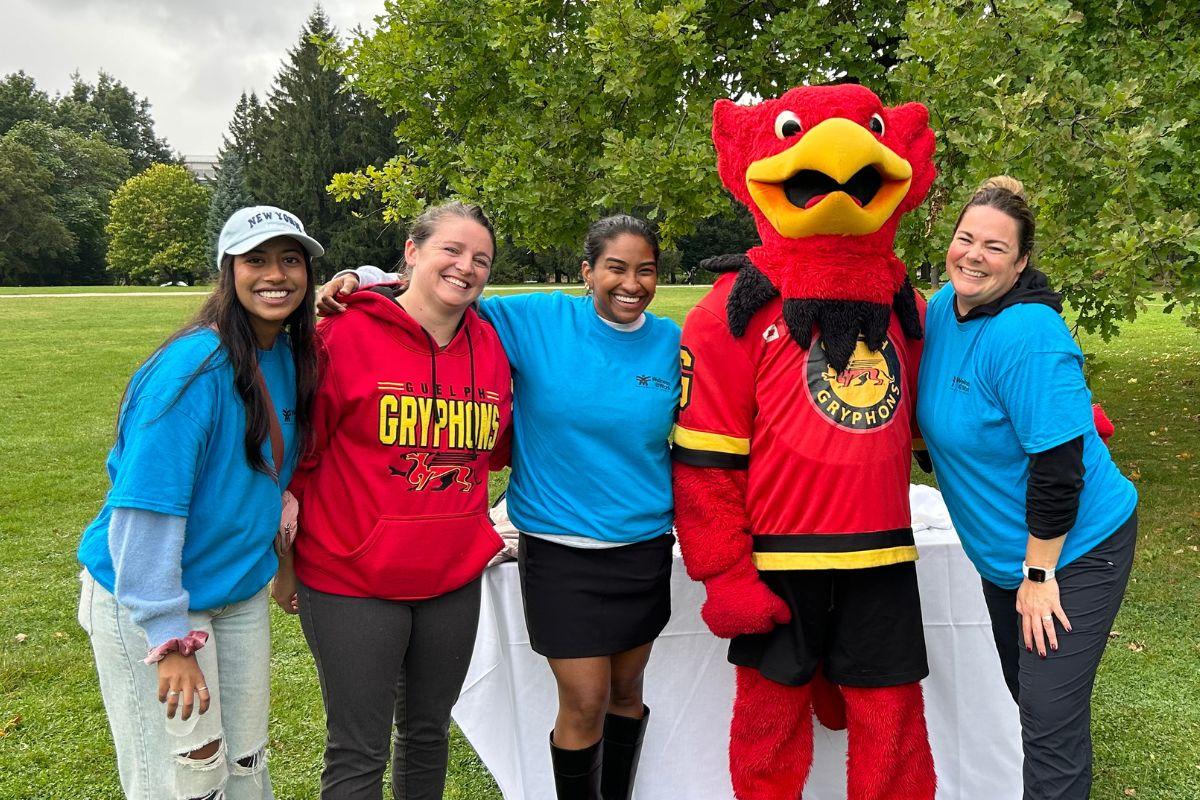
Wellness@Work Grants and Action Plans Advance Well-being
The Wellness@Work Grant Program gives faculty and staff the tools and funding to develop their own wellness initiatives. Alongside this, units across campus implemented locally developed wellness action plans to improve mental health, connection, and workplace culture.

Early Career Faculty Community of Practice Inaugural Cohort
In October 2024, U of G launched its inaugural Early Career Faculty Community of Practice (CoP). This small-group program is designed to build confidence, peer support, and teaching leadership in an environment that allows early-career faculty to reflect, share experiences, and learn from experienced educators.

Digital Accessibility Resources Strengthen Faculty and Staff Capacity
During National AccessAbility Week, U of G highlighted training, tools and supports that help faculty and staff integrate accessibility into teaching, digital content, and workplace practices. From web accessibility resources and inclusive course design workshops to accommodation services and wellness supports, these initiatives strengthen employee capacity and foster a campus where everyone can contribute fully.
Leveraging Financial and Digital Capacity

Launching a New Budget Model
U of G introduced a new budget model grounded in principles that emphasize fiscal responsibility, transparency, and alignment with the University’s mission. The model centers the academic work of the Colleges while recognizing that every unit contributes to the University’s success. It prioritizes balancing the operating budget, making processes more efficient, and enabling improved student experiences, faculty and staff engagement, and institutional growth. By empowering budget owners with clearer information and decision-making authority, the model strengthens accountability and positions the University to invest strategically in its future.

Real Estate Strategy Positions U of G for Long-Term Growth
U of G’s Board of Governors approved a new Real Estate Land Use Vision and Strategy, setting a long-term plan to realize the full potential of University-owned lands. The strategy re-imagines these properties as vibrant, mixed-use districts that integrate new student housing, research, retail, and public spaces. Designed to generate sustainable revenue, enhance the campus environment, and strengthen community connections, the plan will help fund academic priorities and support innovation for decades to come.
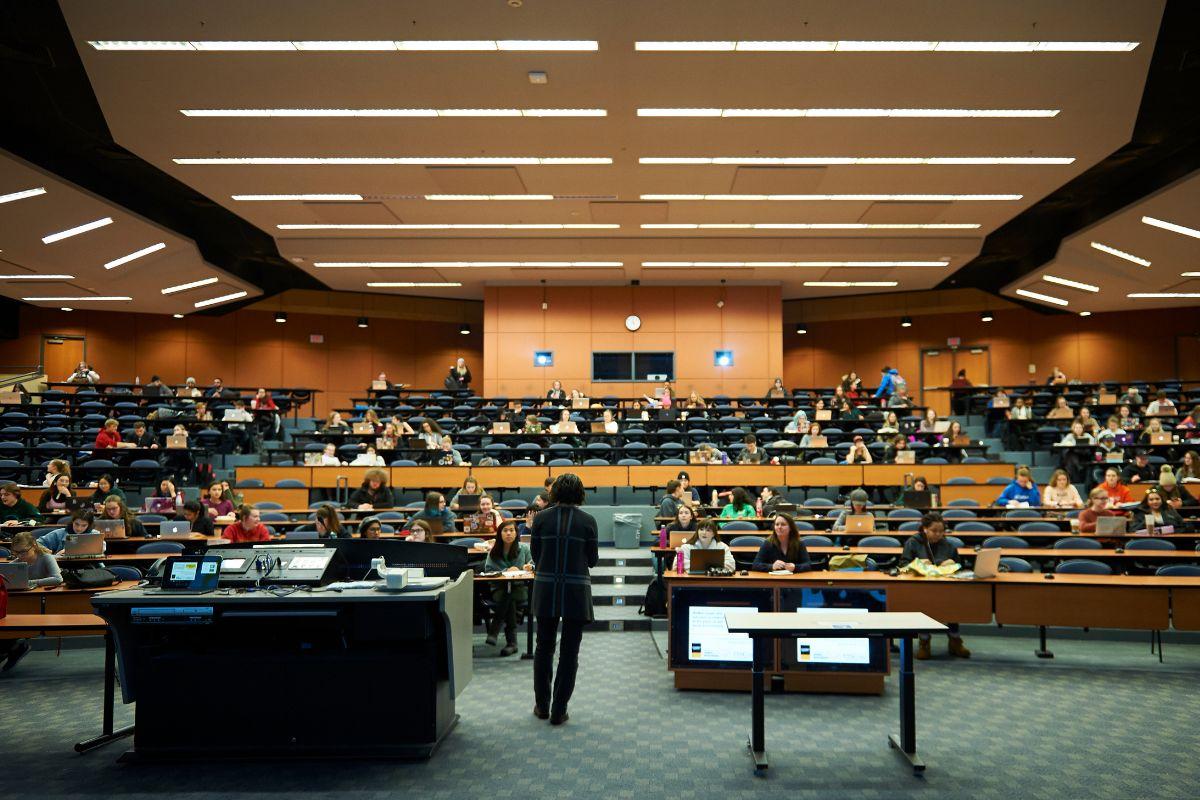
Campus Classroom Study Audit Informs Long-Term Financial and Digital Capacity
U of G has completed a comprehensive Campus Classroom Study and space utilization audit, providing a critical evidence base for integrated strategic campus planning. The results will guide decisions on how best to align physical and digital infrastructure investments with the University’s long-term operating budget capacity, ensuring resources are directed to initiatives that strengthen institutional sustainability and innovation.