• About
  • Contact Us
  • Indigenization, Equity, Diversity, and Inclusion
  • Governance
  • About People
  • Expert Profiles
  • Student Stories
  • About Places
  • Research Centres
  • Access to Research Centres
  • University Facilities
  • Tours and Biosecurity
  • About Programs
  • Research & Innovation
  • Resources for Researchers
  • Veterinary Capacity
  • Agriculture & Food Laboratory
  • Animal Health Laboratory
  • Data Management
  • Regulatory Training
  • Property Management
  • Ag-Tech
  • Beef
  • Dairy
  • Field Crops
  • Horticulture
  • Poultry
  • Swine
  • Case Studies
  • Annual Reports
  • News
  • Events
  • Newsletter
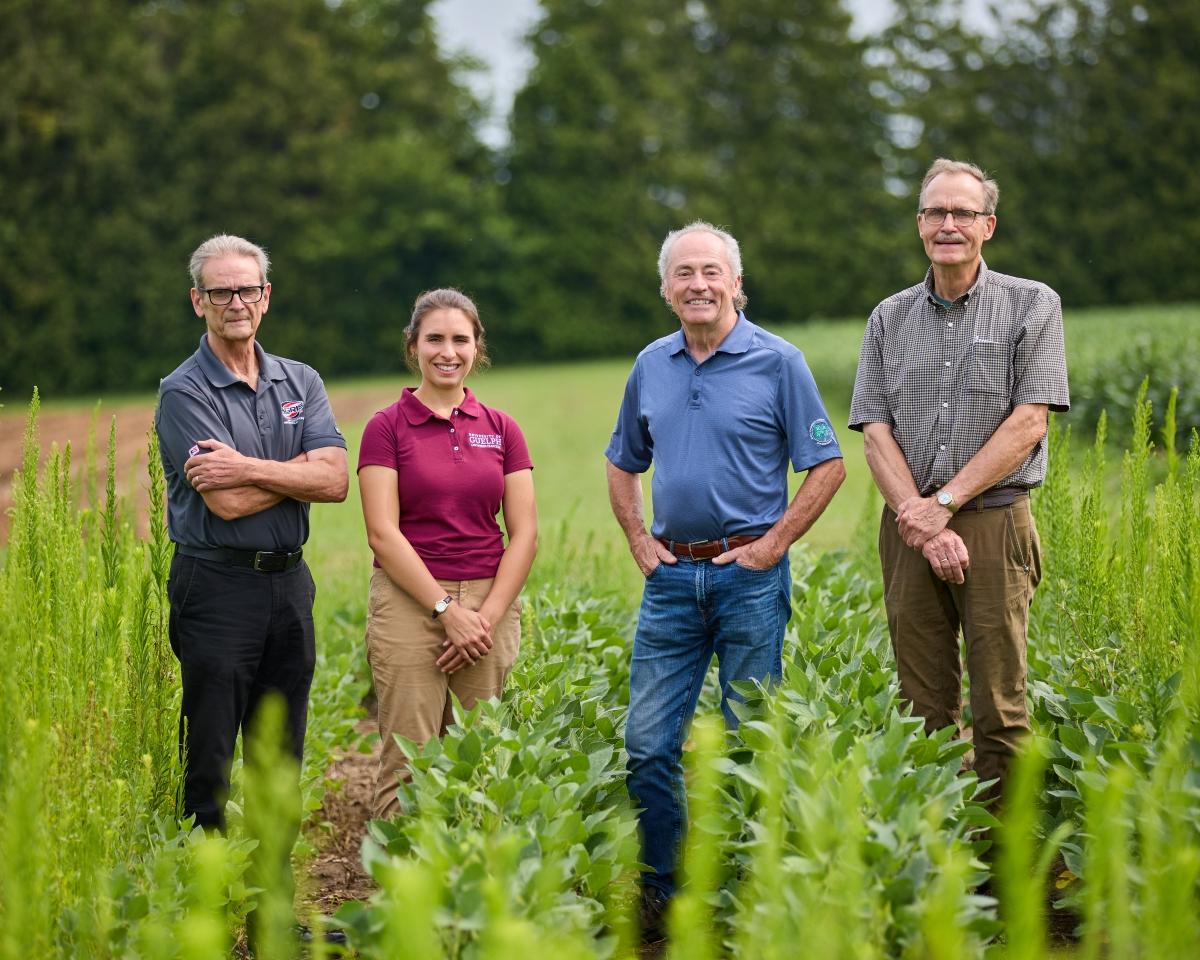
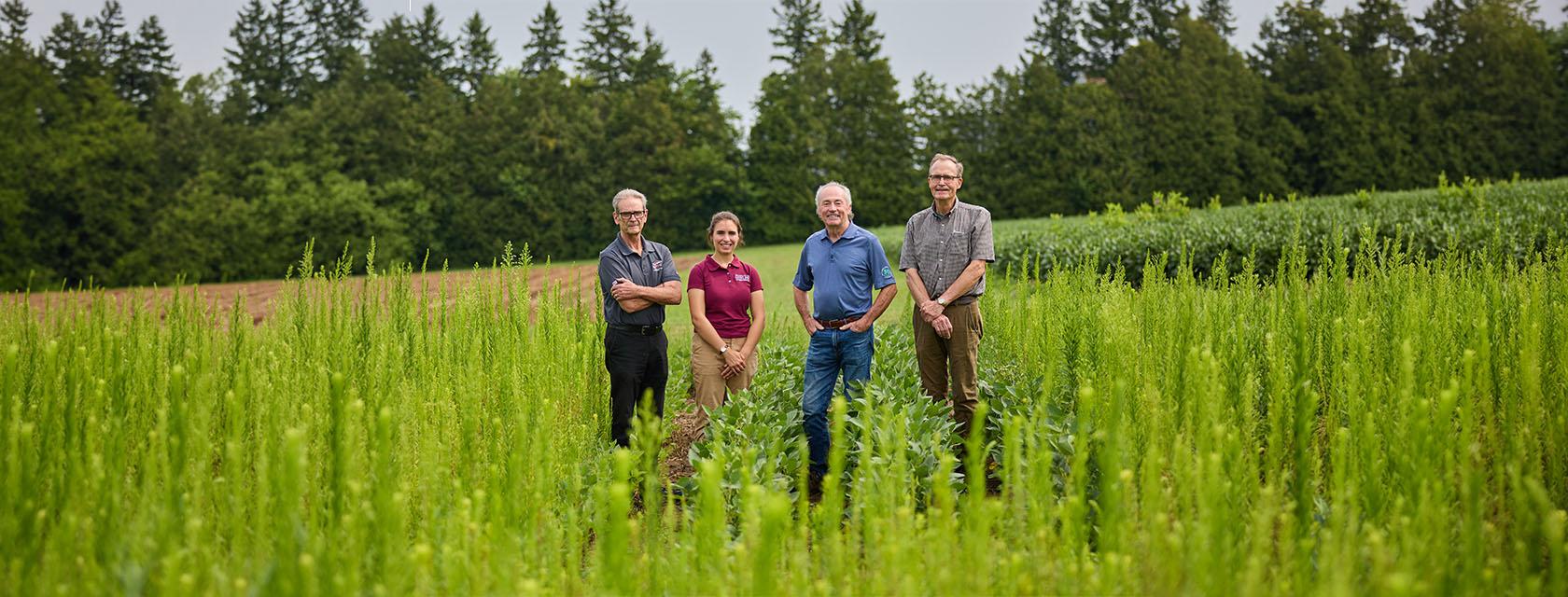
Four people are standing in a green field with tall plants, surrounded by trees in the background. They are facing the camera, appearing relaxed and casual.

Protecting the Harvest: How Research Helped Ontario Farmers Stay Ahead of Herbicide-Resistant Weeds

  1. U of G Homepage
  2. Ontario Agri-Food Innovation Alliance

This story is part of the Risk Management Impact Case Study series.


Weeds have always been a part of farming. Glyphosate-resistant weeds changed the stakes.

When glyphosate-resistant giant ragweed was identified in Ontario in 2008, it marked the beginning of an unexpected risk for the province’s farmers and economy.

For decades, glyphosate was one of the most effective and widely used tools for controlling weeds in field crops. Eventually, glyphosate-resistant soybean and corn crops were introduced, allowing farmers to spray the herbicide over entire fields and kill weeds without harming the crop. By 2008, 65 per cent of soybean acres and 56 per cent of corn acres in Ontario were seeded to glyphosate-resistant cultivars/hybrids.

Jump to section:

  • Research that stays ahead of risk
  • Helping farmers avoid costly losses
  • Start clean, stay clean
  • Research Ontario farmers can use
  • Carrying the work forward
  • Alliance investments deliver impact
  • A career with lasting impact
  • Metrics

But then something unexpected happened. The widespread use of glyphosate created intense pressure on weed populations and over time, certain weed biotypes evolved resistance — first surviving herbicide applications and eventually reproducing and spreading.

Shortly after the 2008 discovery of glyphosate-resistant giant ragweed, Canada fleabane, common ragweed and waterhemp also evolved resistance. And because those resistant seeds could spread through water, wind, equipment and manure, a problem in one field could quickly become a problem for many.

Researchers estimated that, if left uncontrolled, glyphosate-resistant weeds could cost up to $1.6 billion annually in lost yields across Ontario’s field crops. That impact could have been felt across the entire sector, affecting growers whether they planted glyphosate-resistant crops or not.

Thanks to proactive investment through the Ontario Agri-Food Innovation Alliance, University of Guelph researchers were there to help farmers stay ahead of glyphosate-resistant weeds, saving the field crops sector billions of dollars in potential losses.

Research that stays ahead of risk

The emergence of glyphosate resistance did not mean farmers were without options. Other herbicides and herbicide mixes could help manage resistant weeds, but farmers needed research-backed recommendations to avoid costly trial and error while risking further weed spread.

Dr. Peter Sikkema, now professor emeritus in the Department of Plant Agriculture, Ontario Agricultural College (OAC) at the University of Guelph Ridgetown Campus, had been researching weed management for nearly 15 years when the first glyphosate-resistant weeds emerged in 2008. Thanks to ongoing investment in research and access to research sites, he was able to quickly meet this fast-moving risk.

Two people standing side by side in a field. The person on the left is wearing glasses, a checkered shirt, and khaki pants, with arms crossed. The person on the right is wearing a maroon shirt and khaki pants, smiling with hands clasped in front. Greenery and a building are visible in the background.

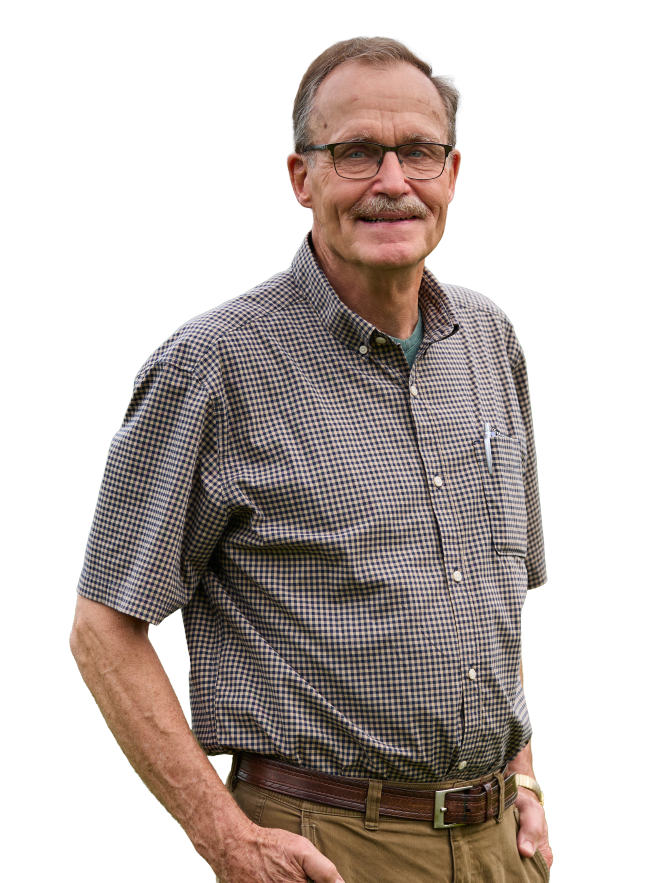
Drs. Peter Sikkema and Isabelle Aicklen

Peter Sikkema profile photo

“It was a very sensitive topic at the time,” says Sikkema. “Resistant weeds have huge impacts on profitability for growers.”

Sikkema’s research identified effective control programs for resistant weeds, including herbicide mixes and integrated management approaches. He also reinforced the importance of timely weed control and demonstrated practices that could slow the spread of glyphosate-resistant weeds. Rather than forcing farmers to learn through costly trial and error, Sikkema’s research provided a roadmap for action.

The work has been a collaborative effort, with Dr. François Tardif, professor in the Department of Plant Agriculture, OAC and Mike Cowbrough, weed management specialist - field crops at the Ontario Ministry of Agriculture, Food and Agribusiness (OMAFA) each playing important roles. Sikkema reflects,

“I was amazed at how rapidly Ontario farmers adopted the results from our research program.”

Helping farmers avoid costly losses

While much of his work focused on glyphosate-resistant weeds, Sikkema’s research helped farmers manage weed resistance to herbicides beyond glyphosate. He used the same approach of generating practical, Ontario-focused recommendations for growers to navigate these emerging challenges.

For Lloyd Crowe, a grain farmer and District 13 director at Grain Farmers of Ontario (GFO), the value of Sikkema’s publicly funded research is straightforward.

Grain Farmers of Ontario logo

Without research like Peter's, farmers would have to learn by trial and error,” says Crowe. “That means taking some pretty significant financial losses before you figure out what works. With the cost of inputs today and such thin margins, that's a risk most farmers just can't afford.

“The work [Sikkema] has been involved in has billions of dollars in economic value,” says Adam Pfeffer, technical product lead, corn and soybeans at Bayer Crop Science Canada.

If growers weren’t adopting Peter’s weed management recommendations, you could be looking at yield losses of 25 to 30 per cent in Ontario corn and soybeans, and probably around 15 per cent in wheat.

Start clean, stay clean

One of Sikkema's most influential contributions was demonstrating that successful weed control depends as much on timing of management interventions as it does on product selection.

His work showed that weeds cause the greatest yield loss when they emerge at the same time as a crop and compete during critical early growth stages. That research reinforced the simple, familiar message that became increasingly adopted across Ontario agriculture: Start clean, stay clean.

Sikkema’s research demonstrated that the "start clean, stay clean" guidance was particularly critical when it came to managing multiple herbicide-resistant weeds. He adopted the simple guidance in his efforts to help get research results out to the farming community—a priority across Sikkema’s long career.

One of the people helping to share recommendations from this research is agronomist and RealAgriculture host Peter Johnson.

A field of green wheat blows in the summer sun

I have an excellent platform through my podcast—Wheat Pete’s Word—and farmers often send in questions,” says Johnson. “When I answer them, I'm relying on research from people like Peter and his collaborators. Having access to that research is absolutely critical—I can't overstate how important it is for the knowledge transfer work I do. The line, ‘start clean, stay clean’ is one that I repeat often, and one that we try to put into practice.

Peter Johnson profile

Research Ontario farmers can use

One of the reasons Sikkema's research had such a significant impact is that it was conducted under Ontario conditions.

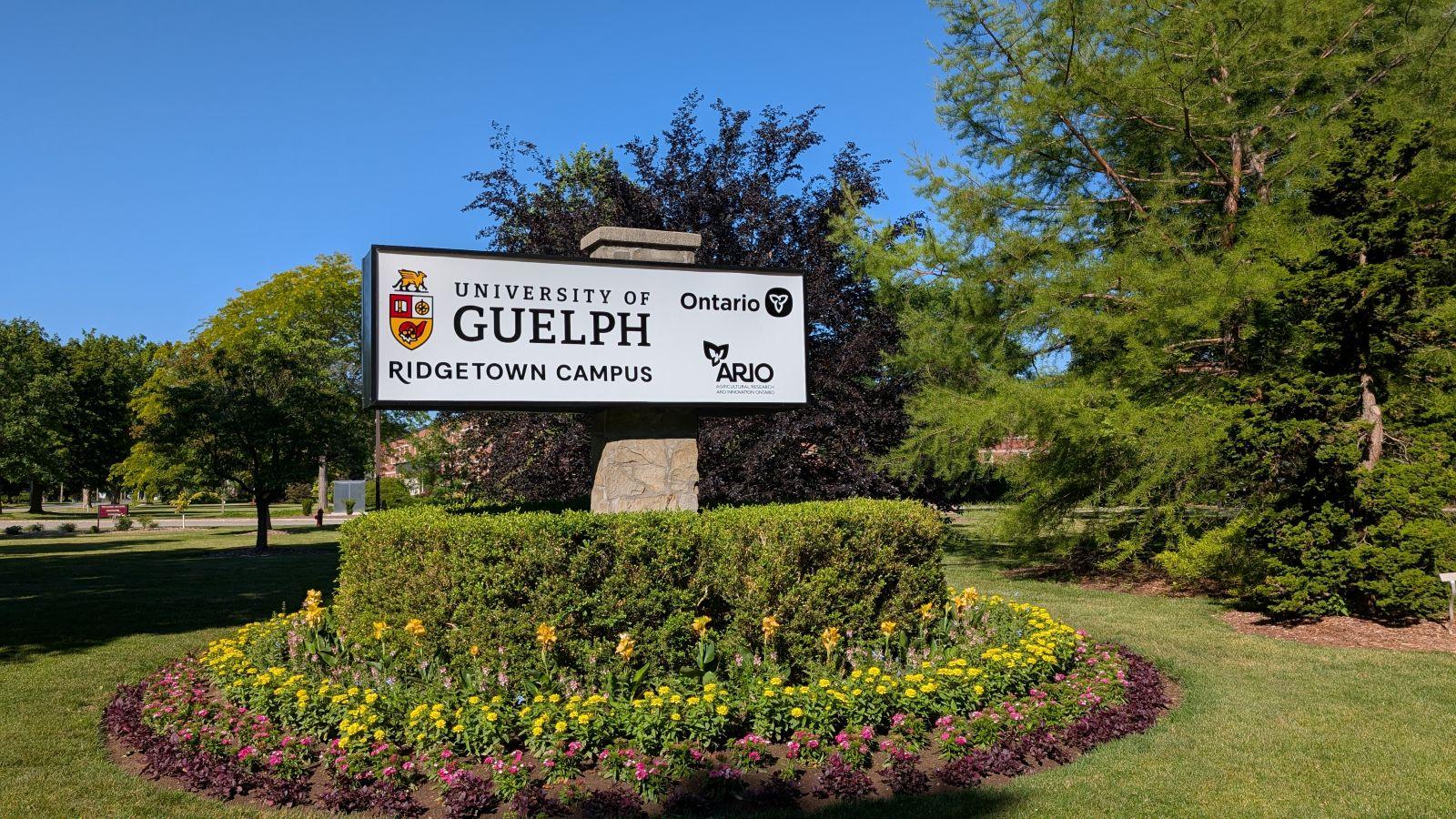
The sign at Ridgetown Campus depicting U of G, Ontario and ARIO logos

Much of his work was conducted at the Ontario Crops Research sites in Ridgetown and Huron. These research centres are owned by Agricultural Research and Innovation Ontario (ARIO) and managed by the University of Guelph through the Ontario Agri-Food Innovation Alliance. They allow researchers to evaluate weed-management strategies under a range of Ontario growing conditions, generating independent recommendations that farmers can trust.

The biggest benefit for Ontario crop producers was independent, Ontario-specific data," says Sikkema. "The value of this public investment in research cannot be overstated.

For GFO, a farmer-funded organization representing Ontario grain producers, supporting Sikkema’s research was an investment in practical solutions for its members.

Ontario weed populations change over time, and farmers need to know how to adapt control programs to manage those changes,” says Dr. Josh Cowan, director of research and innovation at GFO. “Peter’s research directly addressed that need. His studies focused on getting specific answers to farmers’ questions.

Just as important as generating the research was ensuring it reached the people who could use it. Throughout his career, Sikkema shared results through conferences, diagnostic days and extension presentations across Ontario.

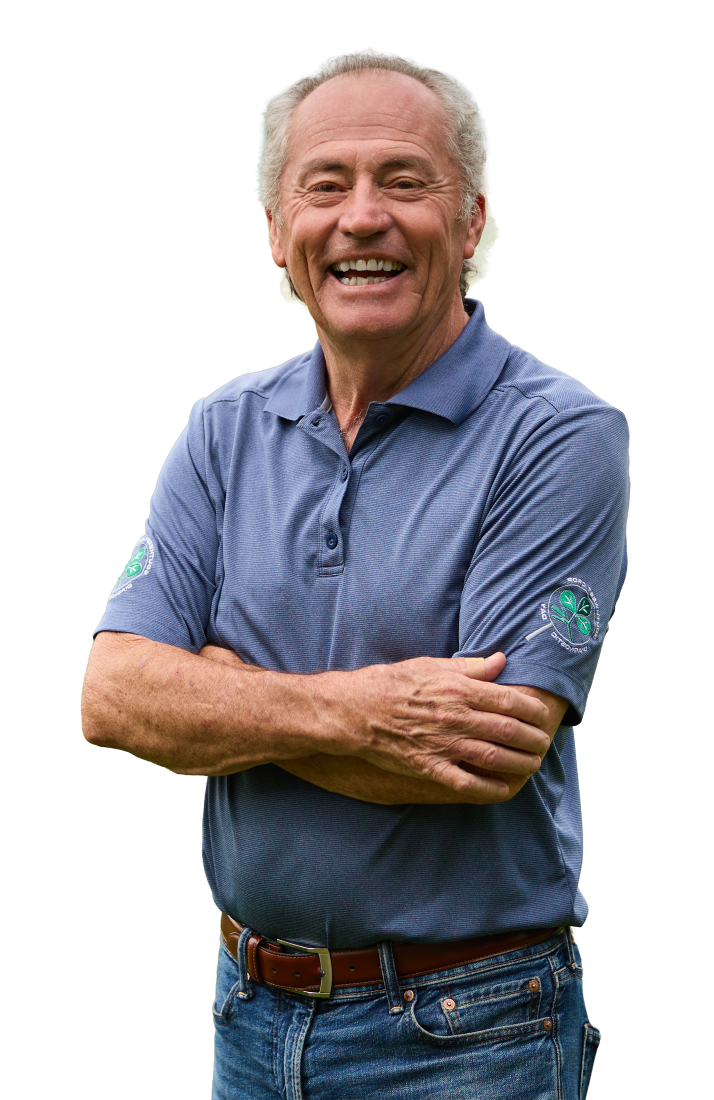
Dale Cowan profile

Dale Cowan, agronomy strategy manager at AGRIS Co-op, says,

When glyphosate-resistant weeds showed up, we couldn't rely on just glyphosate anymore. Peter's research showed us how to bring older herbicide chemistries together into effective tank mixes and use multiple modes of action. And that changed the conversation around weed management.

Cowan says the influence of Sikkema's work extends far beyond individual recommendations.

One of the things Peter really drove home was the importance of the critical weed-free period.

Today, those findings continue to shape how agronomists train staff, advise clients and support growers across Ontario.

Carrying the work forward

Isabelle Aicklen

Today, Dr. Isabelle Aicklen, professor in the U of G Department of Plant Agriculture, OAC, Ridgetown and Ontario Bean Growers (OBG) Professor in Weed Management is building on the foundation established by Sikkema through research on new herbicide technologies, integrated weed-management strategies and herbicide-resistance diagnostics.

Her work ensures Ontario farmers continue to have access to the local expertise and science-based recommendations needed to respond to emerging weed threats. She says,

As weed challenges evolve, our research is evolving with them. The next step is understanding how new technologies like molecular resistance testing, drone applications and other forms of precision control fit into integrated management systems—and how they can best support weed management in Ontario.

The story of herbicide-resistant weeds in Ontario is ultimately a story about the value of sustained research capacity. Supported through the Ontario Agri-Food Innovation Alliance, Sikkema's research helped farmers protect yields, avoid costly losses and respond to an emerging threat before it became a crisis. Today, Aicklen is ensuring that capacity remains in place for future generations of growers.

What could have become a very difficult challenge instead became an example of how long-term investment in research helps build a more resilient, competitive and productive agri-food sector.

Alliance investments deliver impact

The Ontario Agri-Food Innovation Alliance, a collaboration between the Government of Ontario and the University of Guelph, has made sustained investments in Sikkema's integrated weed management research program through multiple projects. These investments also helped attract co-funding from industry partners including crop protection companies, agricultural co-operatives, commodity grower organizations—including Grain Farmers of Ontario and Ontario Bean Growers—and seed companies.

The Alliance also provides research infrastructure and expertise that have enabled the program’s long-term success, while permanent funding for a research technician has helped sustain long-term field trials and knowledge generation.

“Having access to land at the Ontario Crops Research Centre sites in Ridgetown and Huron, along with dedicated technical support, was crucial for the success of my research program,” says Sikkema.

Together, these investments have helped drive the development and evaluation of integrated weed management strategies, providing Ontario producers with practical, science-based solutions for managing herbicide-resistant weeds.

Two individuals are walking through a grassy field, examining a plant. They are surrounded by lush greenery with a line of trees in the background.

Dr. Peter Sikkema and RealAgriculture host Peter Johnson (Wheat Pete)

Two people stand in a lush green field, inspecting tall plants. Trees line the background under a cloudy sky.

Dr. Isabelle Aicklen and AGRIS Co-op's Dale Cowan

Four people standing in a field of crops, with trees in the background. They appear to be smiling and are dressed in casual attire.

Dale Cowan, Dr. Isabelle Aicklen, Peter Johnson and Dr. Peter Sikkema

A career with lasting impact

Dr. Peter Sikkema was inducted into the Ontario Agricultural Hall of Fame in 2021 and the Canadian Agricultural Hall of Fame in 2025, recognizing his outstanding contributions to the agriculture industry as a researcher, teacher and extension agronomist.

For decades, Sikkema's research has helped growers manage weeds in some of Ontario’s most important field crops including corn, soybeans, cereals and edible beans. As herbicide-resistant weeds became an increasing challenge, his work provided practical, independent guidance that helped farmers adapt and preserve yields. From evaluating new herbicide options and securing more than 100 minor-use registrations to advancing integrated weed management strategies, his research translated scientific discoveries into knowledge that directly addressed industry needs.

As a teacher and mentor, Sikkema trained more than 40 graduate students, including Dr. Isabelle Aicklen, helping to prepare the next generation of agricultural leaders. Many of his former students now work in research, industry, government and other roles contributing to Ontario's agri-food sector.

While the Hall of Fame recognizes a lifetime of achievement, its significance lies in the lasting influence of that work. The recommendations developed through Sikkema's research continue to support farmers today while providing a foundation for the next generation of weed management research in Ontario.
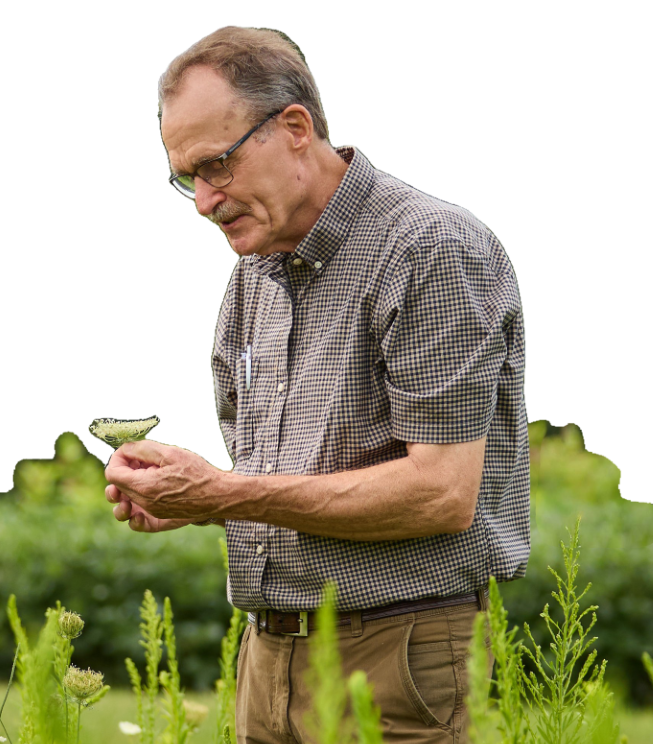
Man standing in a green field looking down at a plant in his hands.

Metrics

9+ industry partners
Co-funding research projects
125+ minor use registrations
Secured through Health Canada's Pesticides Regulatory Directorate*
3,000+ field experiments
Conducted to evaluate weed management strategies
40+ graduate students
Trained through the research program
460+ scientific papers
Published in peer-reviewed scientific journals
350+ oral/poster presentations
At scientific conferences around the globe
500+ extension presentations
Delivered to producers, academics, private industry and government policy makers in Canada and internationally

*Formerly Health Canada’s Pest Management Regulatory Agency

Impacts of herbicide-resistant weeds

  • $212 million in annual farm gate losses** across Ontario due to glyphosate-resistant weeds in major field crops
  • $1.6 billion in potential monetary losses across Ontario due to 5 glyphosate-resistant weeds (Canada fleabane, volunteer "Roundup Ready" canola, waterhemp, giant ragweed, common ragweed) in 6 major field crops (soybean, corn, winter wheat, cereals, dry beans, canola), if farmers did not change their weed management practices
  • 54% average yield loss in corn and 65% loss in soybeans caused by glyphosate-resistant Canada fleabane on Ontario farms, if weed management practices were not changed

**Includes input costs plus losses

Impacts of weed management research on crop protection and savings

  • 95% reduction in monetary losses caused by glyphosate-resistant Canada fleabane with adjusted weed management programs
    • With adjusted weed management programs, monetary losses can be reduced to 5% of a potential $625 million/year loss, or $31 million/year
  • Up to 99% control of glyphosate-resistant Canada fleabane in corn, soybean, and wheat

Return to the Risk Management Impact Case Study.

Ontario Agri-Food Innovation Alliance wordmark

Stay connected

Subscribe to our newsletter

Follow us @AgInnovationON

Connect with the Alliance on Twitter Connect with the Alliance on YouTube Connect with the Alliance on LinkedIn

In collaboration with

Government of Ontario logo

This website is managed by the University of Guelph. Views expressed here are the views of the University and do not necessarily reflect those of the Government of Ontario.