Weaving Knowledge Indigenous Research Gathering
Event Speaker Highlights & Resources
October 22, 2025
Thank you for joining U of G and the Government of Ontario for a day of exploring and celebrating Indigenous research in action.
Participants gathered in a virtual space to foster dialogue and a deeper understanding of balanced, responsible, and respectful research with Indigenous Peoples and communities.
Presentations and panel discussions covered various topics, including community gardens and seed lodges, environmental health, and more. Participants had the opportunity to engage with speakers and ask questions.
Explore further information about the event speakers below. Watch select session recordings from the event.
Keynote Speaker

Chandra Maracle
Chandra F. Maracle was born and raised on the West side of Buffalo and is the mother of four daughters. She studied at SUNY Cortland College, University at Buffalo, NY and University of Salamanca, Spain.
Chandra has worked as a Youth Leader at Native American Community Services in Buffalo, a Graduate Assistant in Native American Studies at UB and a Cultural Resource Specialist at the Native American Magnet School #19.
She was a Diversity Educator with the National Conference for Community and Justice, co-founder of the Indigenous Women’s Initiatives and has certifications in Postpartum Care, Eating Psychology, Massage, Reiki and Yoga and is trained as a Waldorf Early Childhood Educator.
Chandra is co-founder of HAWI – Haudenosaunee and Waldorf Inspired and was a co-founder of Skaronhyase’ko:wa Tyohterakentko:wa tsi Yontaweya’tahkwa/the Everlasting Tree School, and initiated the school’s nutrition program – Tyonnhehkwen Onkwaya’takenha:tshera.
She was a collaborator on the Healthy Roots committee at Six Nations and developed the Haudenosaunee Food Guide for the Community Challenge. Chandra is the founder of Kakhwa’on:we/Real People Eat Real Food, exploring links between people, food, mothering, homemaking, art, language, technology and land.
She is a graduate of the Onkwawen:na Kentyohkwa adult Mohawk language immersion program, and is currently a PhD candidate at York University in the Faculty of Environmental and Urban Change. Chandra is a Collaborator on The Earth to Tables Legacies Project, a group of intergenerational and intercultural folks transforming the food system.
Watch Chandra's TedTalk The gift that new mothers need: renaming post-partum depression.
Watch Chandra's keynote talk from the Weaving Knowledge Gathering.
Morning Speakers
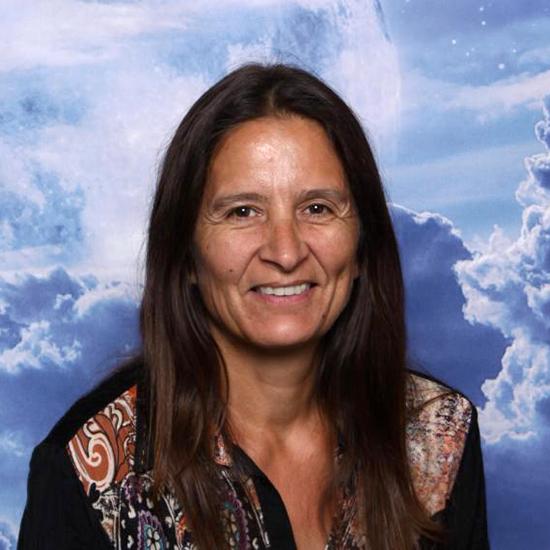
Dr. Susan Chiblow
Sue is an Assistant Professor at the University of Guelph (School of Environmental Studies) in the Bachelors of Indigenous Environmental Science and Practice teaching about Indigenous Science. Sue is Crane Clan born and raised in Garden River First Nation. She has worked extensively with First Nation communities for the last 30 years in environmental-related fields.
Sue has her Bachelor of Science degree, a Masters in Environment and Management and a PhD from York University. She is the recipient of the Vanier Graduate Scholarship. Sue’s Phd thesis explored understanding Anishinaabek g’giikendaaswinmin (knowledge) on N’bi (Water), naaknigewin (law) and Nokomis Giizis (Grandmother Moon) in the Great Lakes territory for water governance. She utilized an Anishinaabek research paradigm based on Anishinaabe Elder Jim Dumont’s Indigenous Intelligence that is applicable in many First Nations.
Sue recently developed an Anishinaabek Program of Research driven by and for the Anishinaabek Elders of the Robinson Huron Treaty territory. Sue will share the Anishinaabek Program of Research driven by and for Elders of the Robinson Huron Treaty territory. She will introduce two BIESP students who are honoring the Anishinaabek Program of Research in conducting their research for a BIESP course.
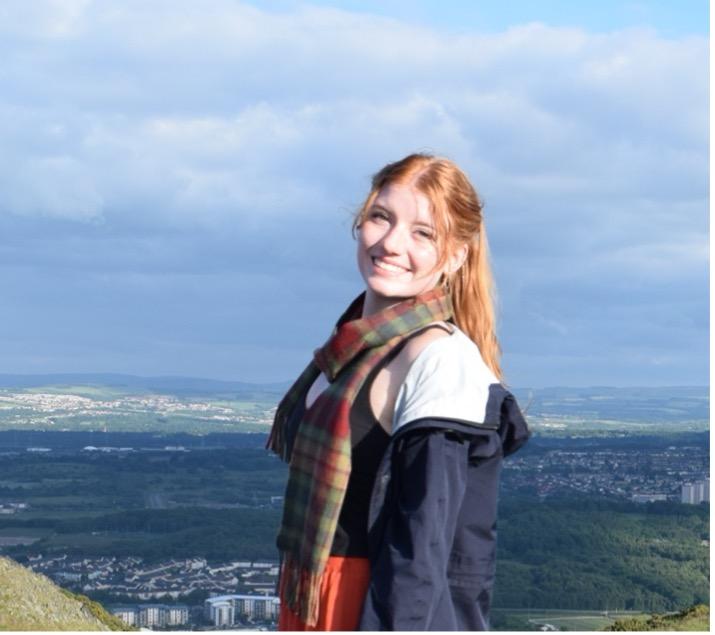
Ava Augustine
Ava Augustine is a fourth-year student in the Bachelor of Indigenous Environmental Science and Practice program at the University of Guelph. Growing up in a farming town along the coast of Lake Erie, she observed the importance of respecting the lands and water with her family. As a student in the first cohort of this new degree, she actively advocates for her program in university governance, committees, and the O.A.C. senate.
As a self-taught artist, Ava strives to increase accessibility in the sciences and uplift Indigenous knowledge systems through graphic recording and illustration. In work with Dr. Susan Chiblow and the Traditional Ecological Knowledge (TEK) Elders group, she has collaborated to create interactive reflective pieces illustrating Anishinaabek stories and teachings.
She is currently working on the foundation of the Indigenous Environmental Science Student Council for the growing degree and hopes to continue making efforts of leadership and advocacy throughout her career towards intersectional environmentalism.

Sandreka Rowe
Sandreka Rowe is a dedicated fourth-year undergraduate student at the University of Guelph, pursuing a Bachelor of Indigenous Environmental Science and Practice. Her academic journey reflects a deep commitment to respectful, community-centred research that uplifts Indigenous voices and perspectives.
Sandreka has worked alongside Dr. Susan Chiblow, an esteemed Assistant Professor, on a research project focused on developing an Anishinaabek program of research for the Elders of the Robinson Huron Treaty territory. This work integrates traditional ecological knowledge and community engagement to address pressing environmental concerns in Garden River First Nation.
Currently, Sandreka is building on this foundation through her capstone research project, which explores the cultural impacts of water contamination on Indigenous communities. She remains deeply grateful for the opportunity to collaborate with Elders and community members, acknowledging the privilege and responsibility of contributing to this vital field of study as a non-Indigenous researcher.
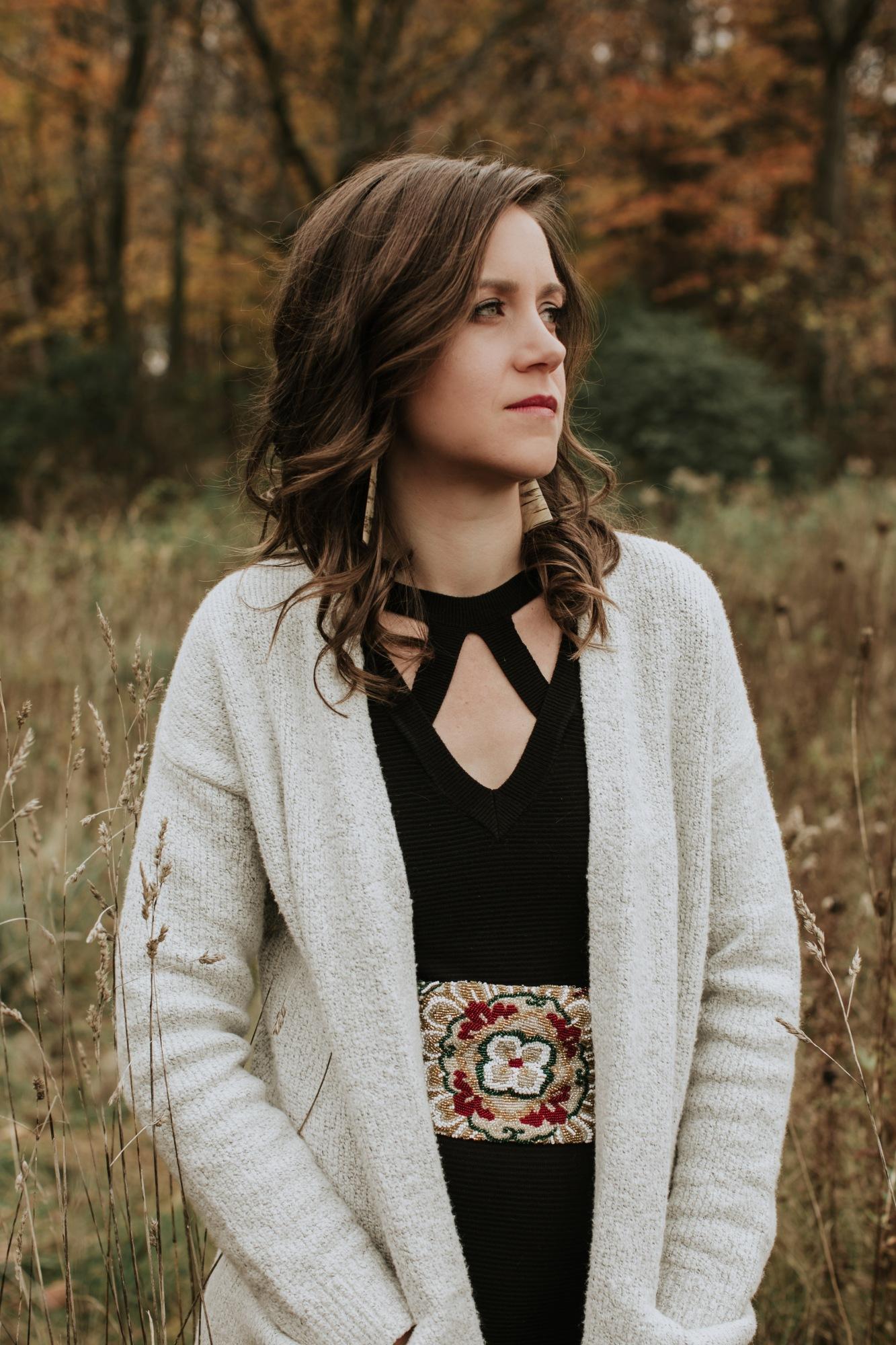
Dr. Brittany Luby
Brittany Luby is the author of four children’s books, including When the Stars Came Home, Mnoomin Maan'gowing/The Gift of Mnoomin, Mii mandaa ezhi-gkendmaanh/This Is How I Know, and Encounter.
Luby is also the author of historical non-fiction for adult readers. Her book Dammed has been described as “thoughtful, deeply researched, and urgent" and inspires individuals to "think deeply about how a pathway to reconciliation needs to be bathed in... reciprocity."
Luby has won numerous awards for both her fiction and non-fiction writing, including the Ruth & Sylvia Schwartz Children's Picture Book Award (2022), Best Book in Canadian Environmental History (2022), and the Governor-General’s History Award for Excellence in Scholarly Research (2021). She also received an Honorable Mention for the Labriola Center American Indian National Book Award in the United States.
In 2023, Luby was made a member of the Royal Society of Canada’s College of New Scholars, Artists, and Scientists.
She works as a professor of History at the University of Guelph.
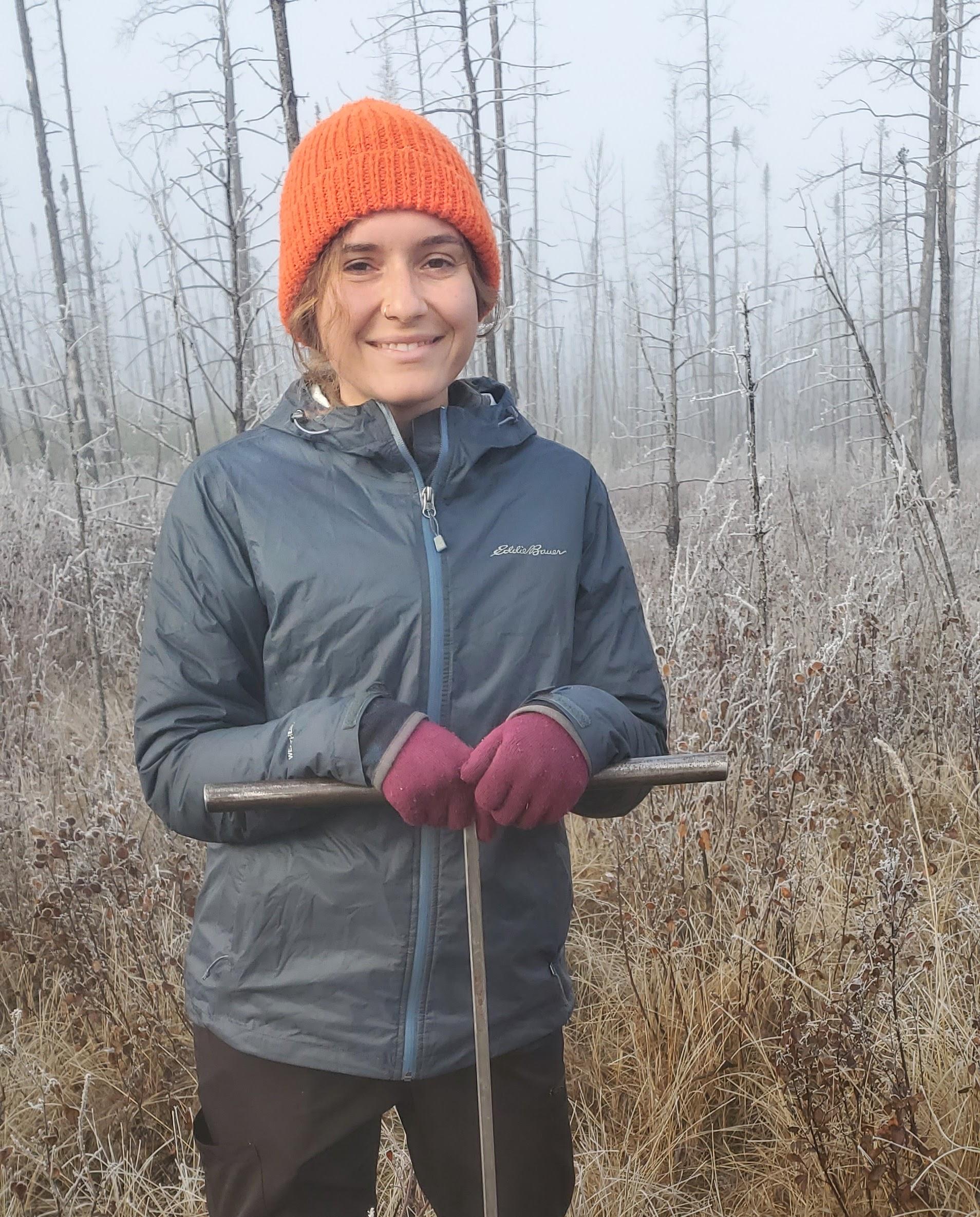
Jane Mariotti
Jane is an ecologist dedicated to community-centered research and sustainable land-based food systems. Her prior work focused on Manomin, a culturally significant food plant within Treaty #3 territory in northern Ontario, and boreal moss successional trajectories following wildfire in the Northwest Territories.
Her master's research aims to deepen our understanding of northern soils' food-growing potential to bolster resilient and adaptive food systems in southern Northwest Territories. Additionally, her work will investigate the impact of wildfire on soil fertility, food-growing capacity, and nutrient loss.
Read Manomin: Caring for Ecosystems and Each Other by Brittany Luby, Margaret Lehman, Andrea Bradford, Samantha Mehltretter, Jane Mariotti, Niisaachewan Anishinaabe Nation
Afternoon Speakers
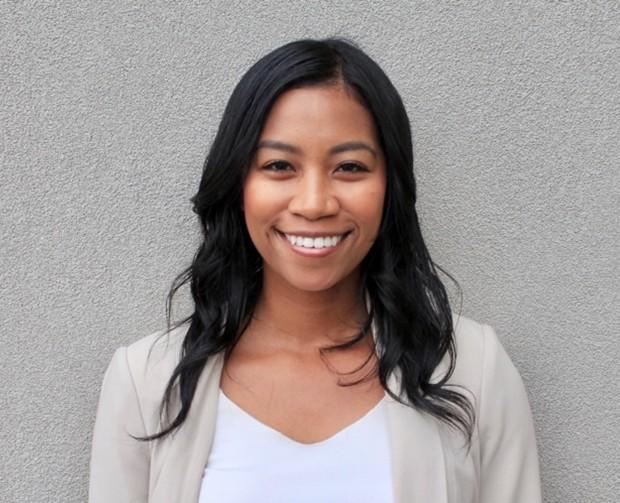
Dr. Ashleigh Domingo
Ashleigh Domingo is an Assistant Professor in the Department of Human Health and Nutritional Sciences within the College of Biological Science at the University of Guelph.
She currently collaborates with communities, community health organizations, and an interdisciplinary team of researchers to support community-led responses to improve food access. Ashleigh obtained her PhD from the School of Public Health Sciences at the University of Waterloo and holds an MSc in Population and Public Health from the University of British Columbia.
Her interest in community food actions reflects her passion for working with communities to strengthen local capacity and identify solutions to catalyze change.

Teresa Copeland
Teresa Copeland is a proud member of the Chippewas of Rama First Nation. She holds an Honours Bachelor of Arts & Science in Environmental Sustainability from Lakehead University and is currently pursuing a Master of Science in Human Health and Nutritional Sciences at the University of Guelph.
In her current role, Teresa serves as the Project Lead of Indigenous Projects at Cambium Indigenous Professional Services, where she supports Indigenous communities and organizations across Canada on their paths toward sustainability and strategic development. With over eight years of experience working both within her home community and alongside other First Nations, Teresa recognizes that each community is unique and believes that tailored approaches are essential to respect their distinct needs and priorities.
Teresa is passionate about wellness and sustainability, grounding her work in the Seven Generation Teaching which teaches us that the actions we take today shape the well-being of the next seven generations.
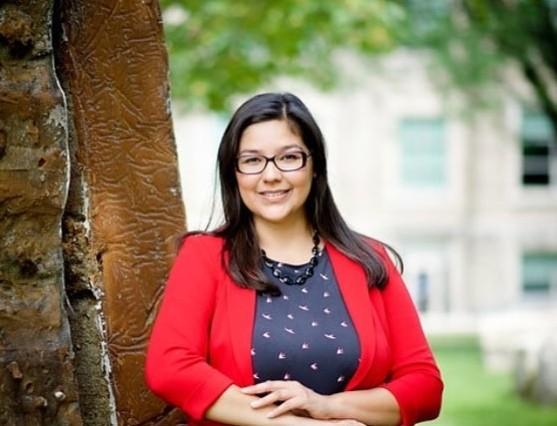
Shauna Kechego-Nichols
Shauna Kechego-Nichols is an Assistant Professor of Indigenous Studies in the School of Languages and Literatures at University of Guelph, teaching courses on Anishinaabemowin, Gender Studies, Film, and History. She is a graduate of the Paswe’aatigook Anishinaabemowin Immersion program in Chippewa of the Thames. As well, started an Ojibwe B.A., University of Minnesota in September 2025.
She’s been an Anishinaabemowin learner for 10+ years and is interested in pedagogies that support intergenerational transmission and deeper engagement of adult learners in the classroom and in community. Shauna is a co-investigator on the SSHRC research project Strength in Relations; Generating Possibilities for Indigenous Language Learning.
Her lifelong work has been bringing awareness to the systemic issue of Missing and Murdered Indigenous women and girls and Anti-Human trafficking with a focus on intersectionality, health equity and gender based violence.
Shauna is also a Sundancer, entering her fourth and final year of dancing at Deshkan Ziibiing Thunderbird Sundance. She is also a helper at other Sundance ceremonies, and fasting camps and is a shkaabayis for elders, healers and knowledge carriers. She is a jingle dress dancer and makes it a priority to show up for the Indigenous community.
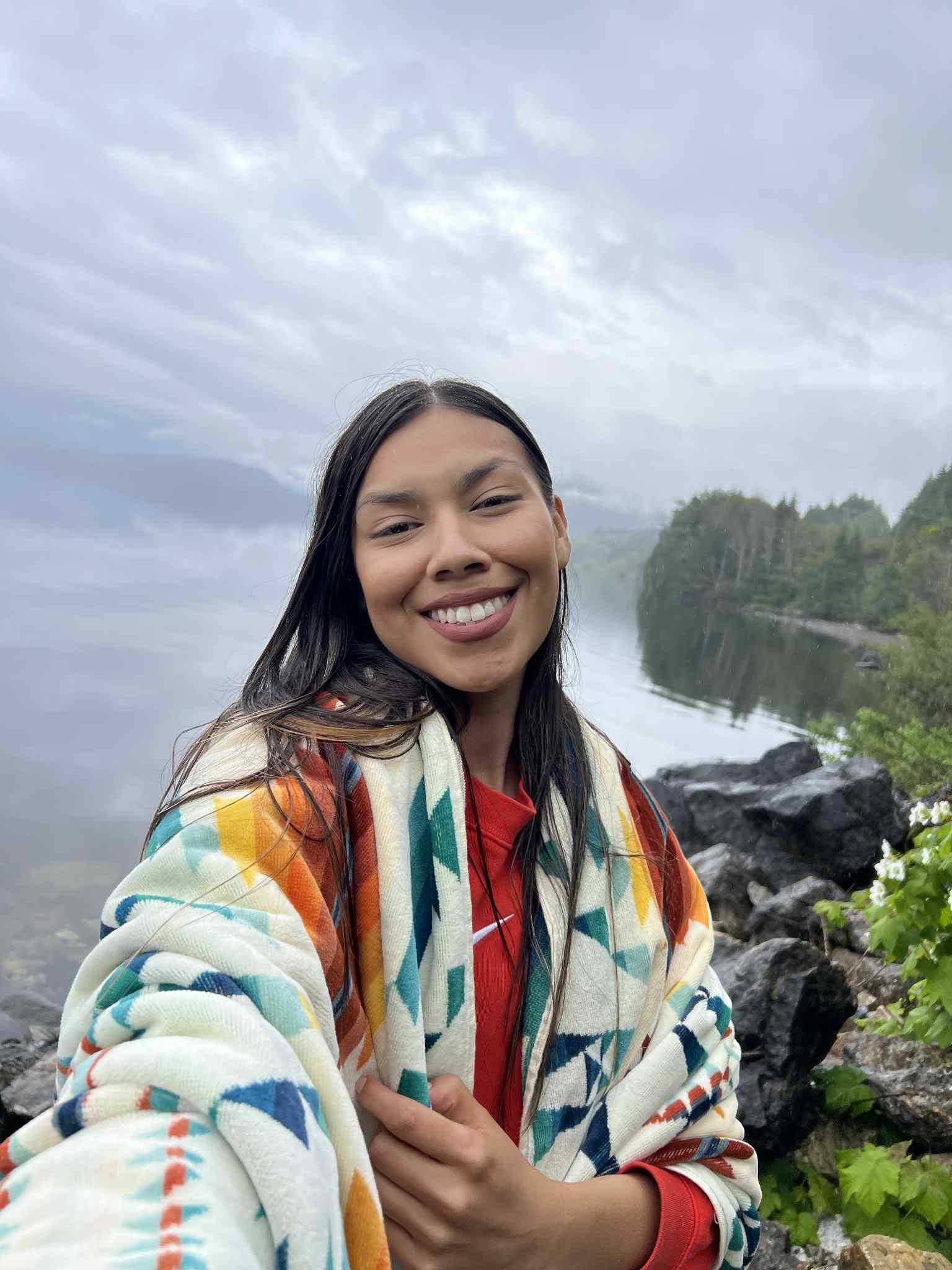
Shania Simon
Shania Simon has a background in anti-human trafficking work, where she led a youth participatory action research project focused on youth empowerment and awareness. Currently, Shania is pursuing courses in Mental Health and Addictions and works as a Learning Developer with London Health Sciences Centre, where she contributes to the development of localized cultural competency training for service providers. Her work is grounded in community-driven approaches, Indigenous knowledge, and a commitment to creating safer, more inclusive systems of care.
Discussion Panel: Environmental Health
Hosted by the IndigenERA Lab. Learn more about current research programs by the IndingenERA Lab.
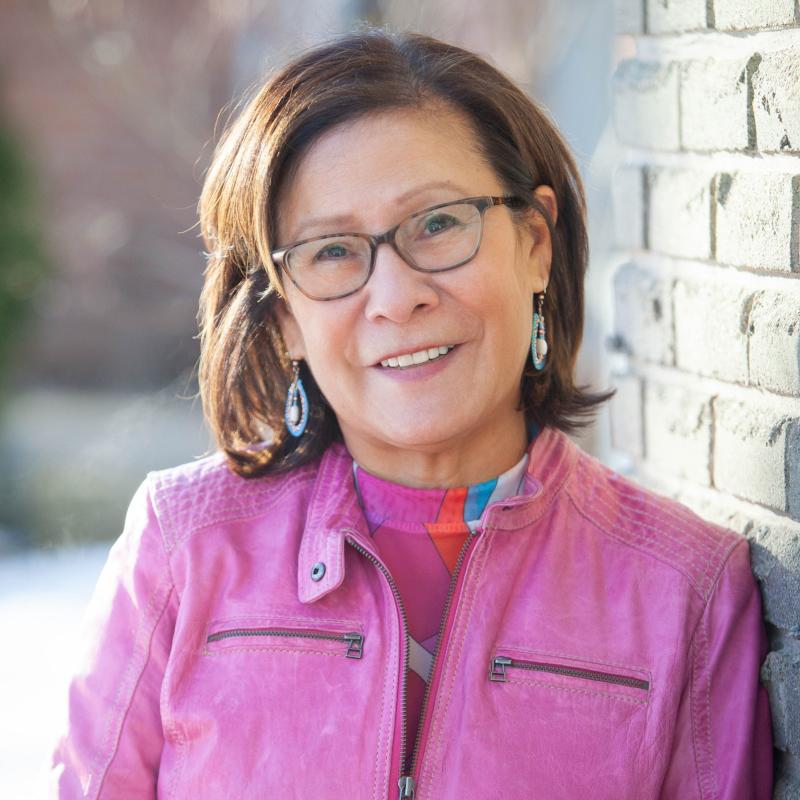
Dr. Diana Lewis
Kwe, n’in na teluisi Diana (Dee) Lewis. Tleyawi Sipekne’katik; Lnue’katik na Mi’kma’ki etek. (Translates to: Hi, my name is Diana Lewis. I am from Sipekne’katik; a First Nations community in Mi’kma’ki).
My research interests are to foster a wider understanding of Indigenous worldviews and how Indigenous worldviews must inform environmental decisions, specifically as Indigenous peoples are impacted by resource or industrial development. I am an advocate for Indigenous data sovereignty and Indigenous-led decision making, and am currently working with Indigenous communities across Canada to develop an Indigenous-led environmental health risk assessment approach.
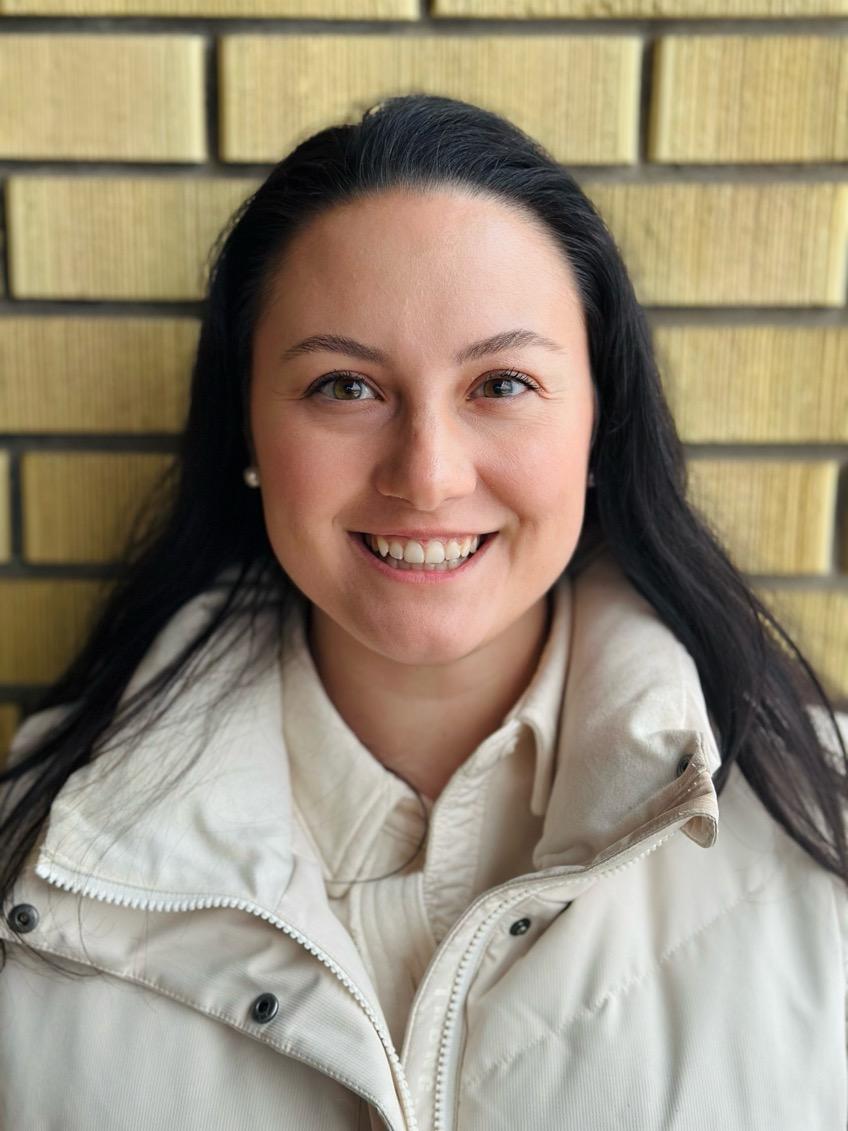
Veronica Reitmeier
Veronica Reitmeier (she/her) is a settler of Polish ancestry and a grateful guest on the traditional territories of the Attawandaran, Anishinaabe, and Haudenausaunee Peoples.
She has been the Research Coordinator for the IndigenERA Lab and IEHRA research program since 2022. Veronica holds a Masters of Arts and Honours Bachelors of Science in Geography from Western University. She brings with her a multitude of experiences from her time as a research assistant in the Indigenous Health Lab at Western University, where her passion for supporting Indigenous-led research and training environments and fostering spaces for belonging, capacity building, and change began.
Veronica centres relational accountability in her ethics and seeks to uphold respect and reciprocity within her roles and responsibilities. Her spare time is spent doing yoga and curling, outside with her dog, and being creative in the kitchen.
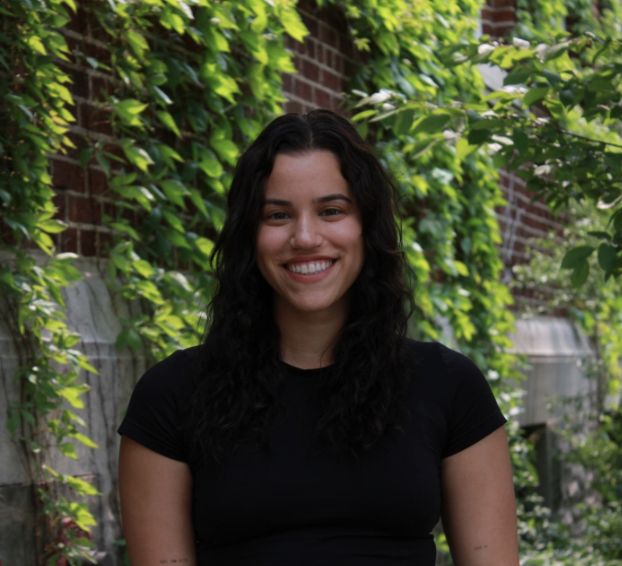
Antonina Struminski-Bodden
Antonina (she/her) is a Polish and Jamaican settler researcher from the traditional territory of the Anishinaabe, Haudenosaunee, Lūnaapéewak, and Chonnonton Nations. She has an HBSc in Environmental Geoscience and a Major in Indigenous Studies, and is currently pursuing an MA in Geography at the University of Guelph under the supervision of Dr. Diana Lewis.
Her graduate research focuses on the collaborative development of a hydrological model measuring water health in Oneida Nations of the Thames – a community-based participatory research (CBPR) project that contributes to the design of a Haudenosaunee value-based Conceptual Site Model.
She has been a research assistant in the IndigenERA lab since January 2023, where she has been able to work with community partners and peers on research relating to health and wellbeing, energy sovereignty, and the IEHRA project.
Antonina is passionate about the promotion of equity, inclusion, and decolonial praxes in academic spaces and is part of the GIDS Anti-Racism Working Group at UoG. In her free time, she enjoys hot yoga, hiking, poetry, and reading!
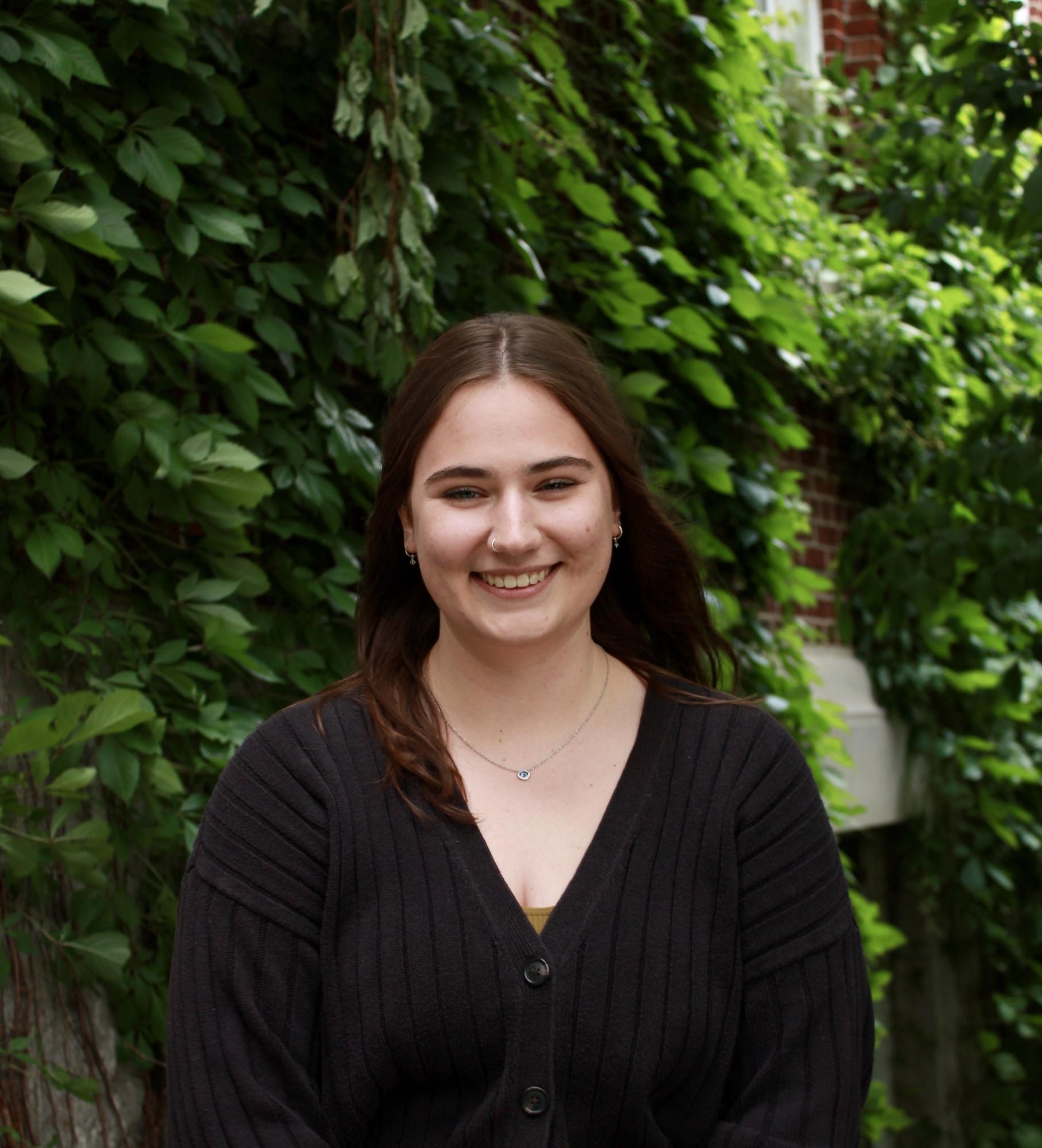
Lara Durksen
Lara Durksen is a settler researcher who completed her MA in Geography (2025) and is a current Research Assistant in the IndigenERA Lab. Her thesis is titled "Measure vs. Mention: An Analysis of Economic Measures and Indigenous Values in Impact Assessments of Major Oil and Gas Projects in Alberta" and explores how the economics of land-based relationships in Indigenous communities can better inform decision making in Canadian impact assessments.
Lara has worked in the IndigenERA lab since 2022 and completed her BA in Environmental Governance from the University of Guelph with a minor in Sustainable Business.
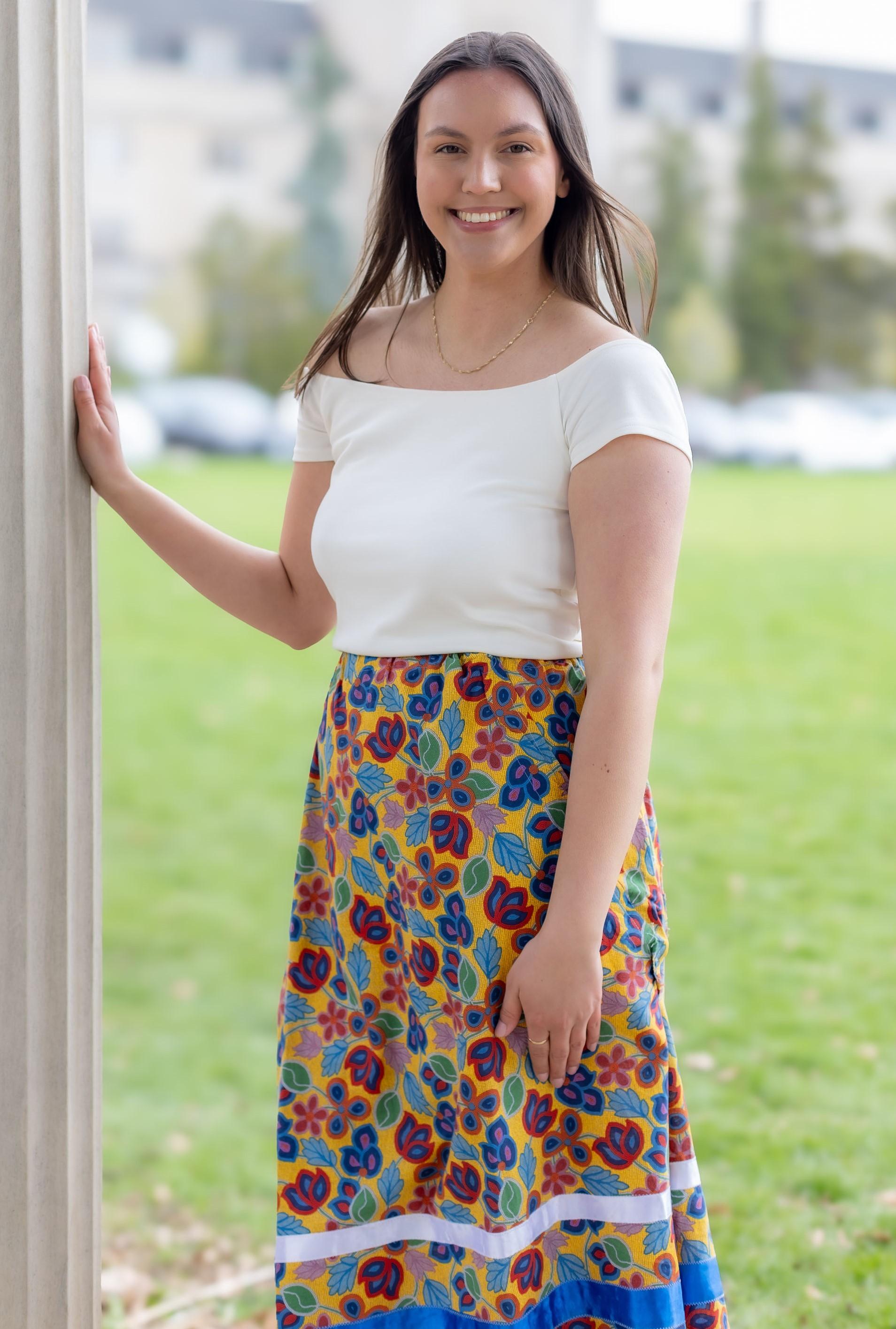
Maja Wetzl
Maja Wetzl (she/her) is Ojibwe, with family roots in Serpent River First Nation and Austria on her paternal side and Germany on her maternal side.
Maja has a HBSc in Mathematical Science in the statistics stream with an emphasis in bioinformatics, from the University of Guelph. Maja started her Master of Science in Applied Statistics in September 2024, continuing at the University of Guelph. Through her schooling, she has been able to gain knowledge from a variety of disciplines, gaining skills such as coding, statistical analysis, and research.
Maja started as a research assistant in the IndigenERA Lab in November 2023, where she will contribute to the development of the IEHRA approach. Her thesis will focus on updating the reporting of cancer incidence in Fort Chipewyan communities (Athabasca Chipewyan First Nation, Mikisew Cree First Nation, and Fort Chipewyan Métis Nation). Maja will be comparing and analyzing data from Statistics Canada, which she has access to through the Guelph Branch Research Data Centre.
In previous research assistant positions, Maja has done work in bioinformatics to further biodiversity research, as well as work in forest modelling, contributing to Ontario carbon cycle research. In her free time, Maja enjoys reading, beading, painting, and hiking.
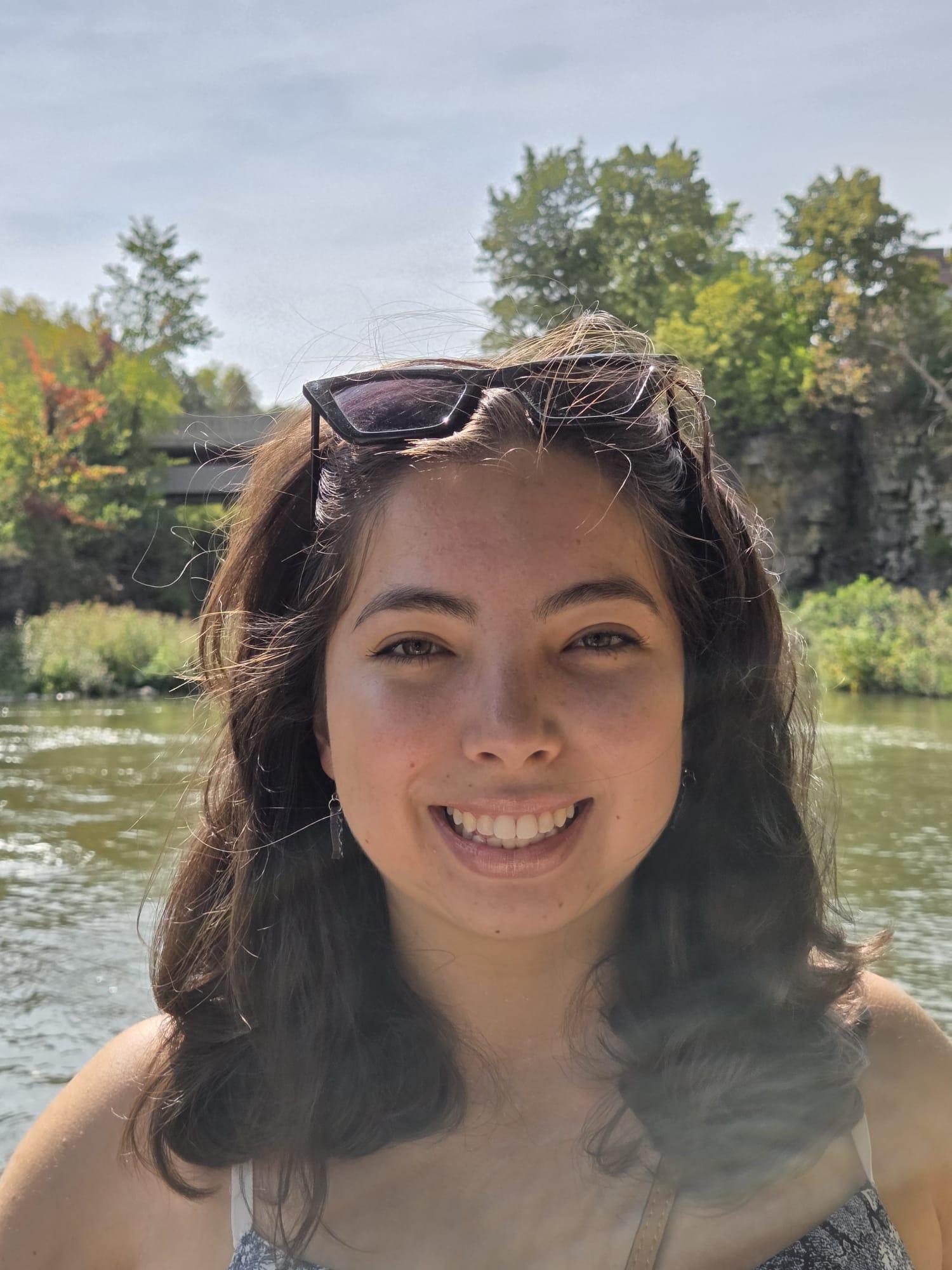
Jacklyn Simonson
Jacklyn is of mixed ancestry (Mi’kmaq, Puerto Rican, Settler) and was born and raised in Tampa, FL with an ancestral connection to Natoaganeg (Eel Ground) First Nation, NB. She just completed her undergraduate degree in Environmental Science in Summer 2024 and joined the IndigenERA lab in the Fall of 2024.
She recently began her Masters of Science degree in Integrative Biology, where she works with Dr. Bernhardt and Dr. Lewis. Her research aims to evaluate the ecological risks of microplastic contaminants in the soil of the Oneida Nation of the Thames community from Toronto’s Greenlane Landfill.
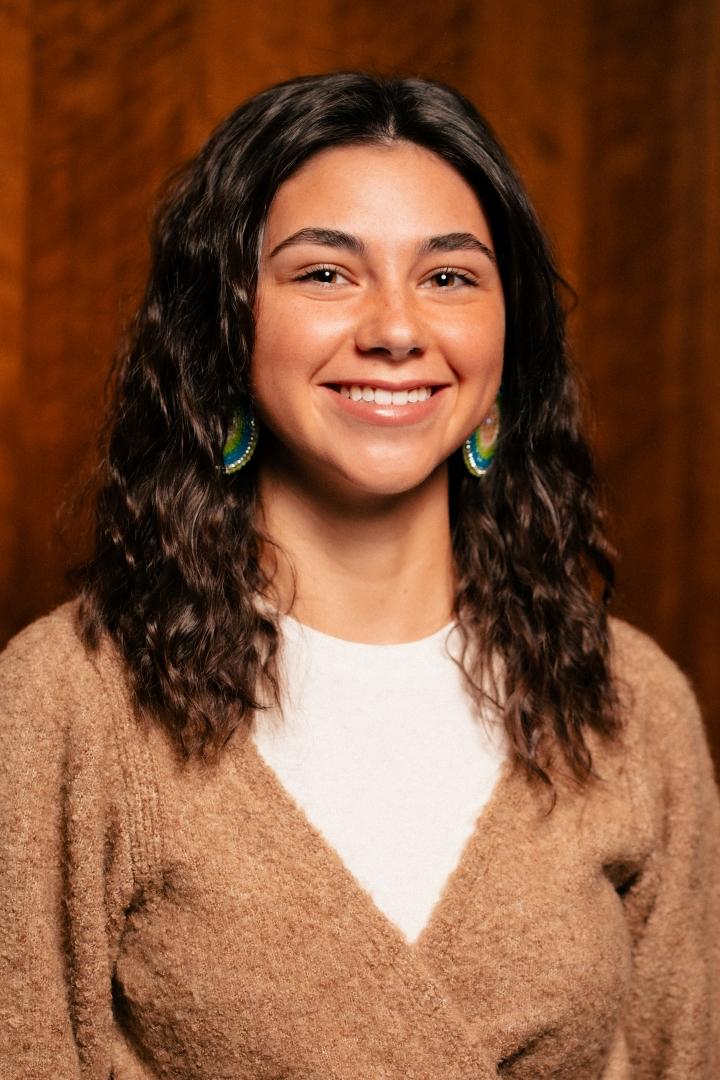
Olivia Thom
Olivia is Oneida on her maternal side and also comes from mixed settler descent. Her family comes from Oneida Nation of the Thames, in southwestern Ontario. She has a BA in Indigenous Studies with a minor in Women and Gender Studies and will soon complete her MA at the University of Guelph in the Geography, Environment, and Geomatics program, under the supervision of Dr. Diana Lewis.
For her master’s thesis, she is reflecting on the process of developing an environmental health and wellness survey with her home community, Oneida. The survey will be able to adequately account for Indigenous environmental health and risk assessment in relation to environmental contamination and other health and wellness impacts within the community.
Olivia has worked for Dr. Lewis since 2020 on numerous projects, including developing a community report for Pictou Landing First Nation using Stata, designing and creating an online resource and website for the Impact Assessment Agency of Canada to learn how to work with Indigenous communities in Canada when dealing with resource development, extraction, land dispossession, and contamination.
Olivia is very passionate about Indigenous environmental health equity and feels lucky to be able to pursue a career path that aligns with her cultural passion and personal journey.

Marah Laforge
Marah is an Anishinaabe student entering her fourth year in the Bachelor of Indigenous Environmental Science and Practice Program. She is a member of Timiskaming First Nation through her maternal side and has mixed settler descent on her paternal side.
Marah is passionate about braiding together Indigenous Science and Western science, decolonizing environmental policy, and supporting community-led projects to address environmental racism in Indigenous communities. Through her program and personal experience, Marah has explored topics pertaining to the ongoing impacts of settler colonialism for Indigenous peoples and the environment, Indigenous self-determination, and Indigenous-settler biculturalism.
Additionally, she’s learned the importance of Indigenous Knowledge Systems and Indigenous-Led frameworks to uphold Indigenous rights and protect Indigenous lands. In her free time, Marah loves to socialize with friends and family, read, and holds a position as an executive member of the Indigenous Student Society.
Discussion Panel: Braiding Knowledge and Practice for Indigenous Food
Systems in Northern Ontario
Explore Seeds Research to learn more about the Braiding Food Systems project.
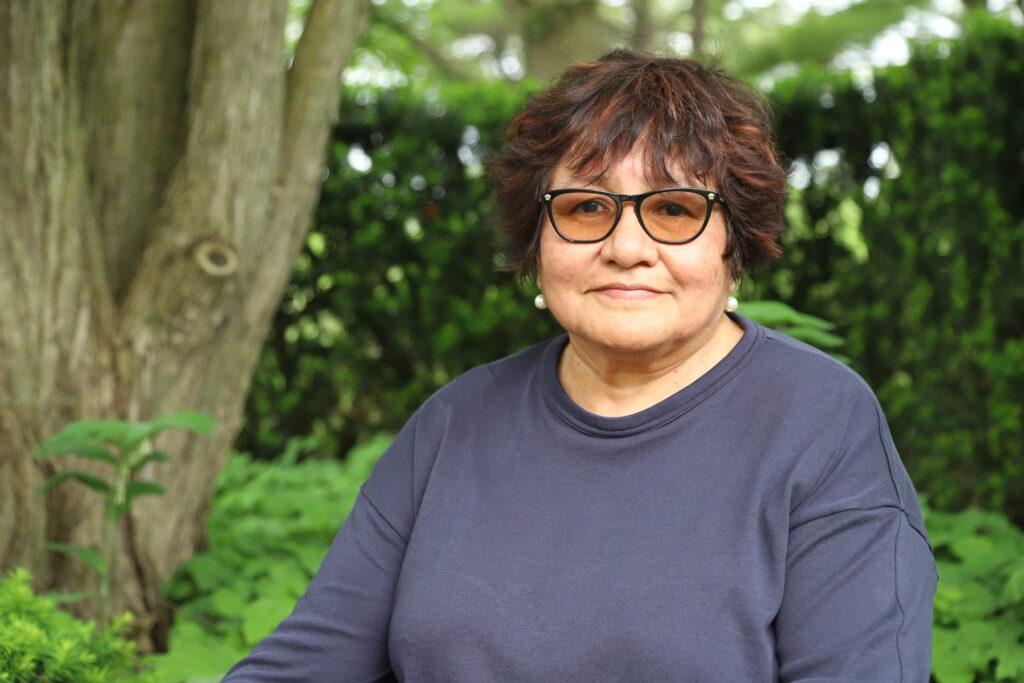
Dr. Silvia Sarapura
Dr. Silvia Sarapura is Peruvian-Canadian who holds a BSc and Engineering Degree in Agronomy. After emigrating to Canada she completed her postgraduate studies at the University of Guelph. She holds a MSc in Capacity Development and Extension and a PhD in the Interdisciplinary Program of Rural Studies. She also completed a two-year PostDoctoral Fellowship with the CGIAR, World Fish Center. Her experience includes gender research, teaching, facilitation, multi-stakeholder support, project monitoring and evaluation, participatory action research, organizational development, and capacity development for research. She has worked in South East Asia, Sub-SaharanAfrica and South America, as such she is very familiar with contextual realities.
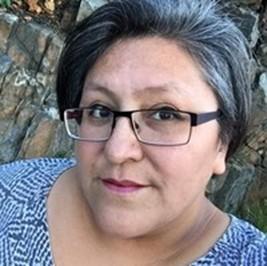
Kerri Commanda
Kerri Commanda is an Anishinaabe-kwe from Genabajing (Serpent River First Nation). She has been with Niigaaniin Services at Mamaweswen for six years and currently serves as the E’aasigaabwitaaget (Strategic Administrator).
Mamaweswen, the North Shore Tribal Council, is a collective of Sovereign First Nations working together on regional initiatives. Niigaaniin Services, a key department of the Tribal Council, oversees the administration of financial aid and employment supports at the community level. Given the inadequacy of funds to address food and housing needs, Niigaaniin remains committed to finding sustainable solutions for their people. One such effort, the Kinoomaagewin Food Sovereignty initiative, responds to the challenges posed by current agri-food systems. Reconnecting with the land and regaining autonomy over sustainable food sources is critical to healing the harms of colonization.
Before joining Niigaaniin, Kerri worked for her home community in Lands and Environment, where she gained a deep appreciation for the rights, responsibilities, and voices of the people. This experience fostered her passion for sharing the Anishinabek perspective through cultural facilitation across various organizations. In her current role, Kerri continues to collaborate with community members and Niigaaniin’s team to adapt and grow in ways that better serve the community.
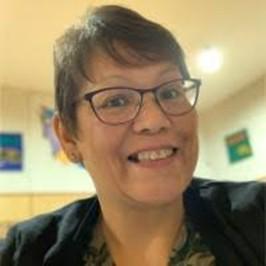
Lorraine P. Cook
Lorraine is a longstanding Community Health Service Worker located with Biinjitiwaabik Zaaging Anishinabek, known as Rocky Bay First Nation. Since 1997, Lorraine has held the position of Community Health Service Worker. In her capacity, she is involved in managing and supporting a range of community health programs.
Lorraine has played a key role in fostering food security initiatives through community gardens and orchards with a variety of vegetables and fruits. Lorraine is also advocating for physical wellness and culture through programs such as walking groups, taekwondo / martial arts, and youth sports. She extensively collaborates across programs and with other different partners inside and outside the community.
Within the community, Lorraine has a leadership role through her service work: she is viewed as a role model because of her ability to manage multiple community-centered projects, and her capacity to tie together health, culture, wellness, and community cohesion.

Dr. Michelle Seanor
Dr. Michelle Seanor is the research lead of Mino-Bimaadizidaa, a Niigaaniin program that offers a holistic approach to supporting people to become job-ready and employable. The agency she leads provides social assistance and employment services to First Nations along the north shore.
Through a seedling operation in the Thessalon area, she aims to move towards food sovereignty while providing a safe space for those living with mental health and addiction issues or who are caught up in the justice system. Niigaaniin Services is working in partnership with Thessalon First Nation to repurpose the community’s Bio Centre — a site consisting of greenhouses, 80 acres of farmland and cold storage facilities with a licensed area for organic food processing and packaging — and transform it into a place where fresh produce is grown and distributed to the communities it serves.
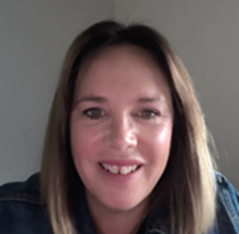
Kellie Wrigley
Kellie is the Education Director in the Red Rock Indian Band community. Kellie is a respected educator and Indigenous leader. In her role, she oversees educational programming for the community across the full span of educational stages, from early childhood through adult education, coordinating supports, policy, counseling, and liaison with external schooling systems.
She is known for advocating an integrated approach to education that integrates Indigenous knowledge systems, culture, and community values promoting healthy life and food for children. Kellie is a representative on the Indigenous Education Advisory Committee (IEAC) of the Superior North Catholic District School Board, where she contributes to bridging relationships between the school system and Indigenous communities.
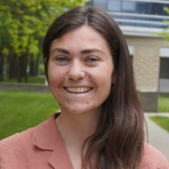
Charlotte Potter
Charlotte is a Ph.D. Candidate at the University of Guelph, in the School of Environmental Design and Rural Development. Using systems thinking and participatory methodologies, her research investigates how local and Indigenous Knowledge systems support Indigenous food sovereignty, and working collaboratively with Campesino communities in Peru and First Nations communities in Canada, aims to understand how local and global processes and pressures impact or influence these systems.
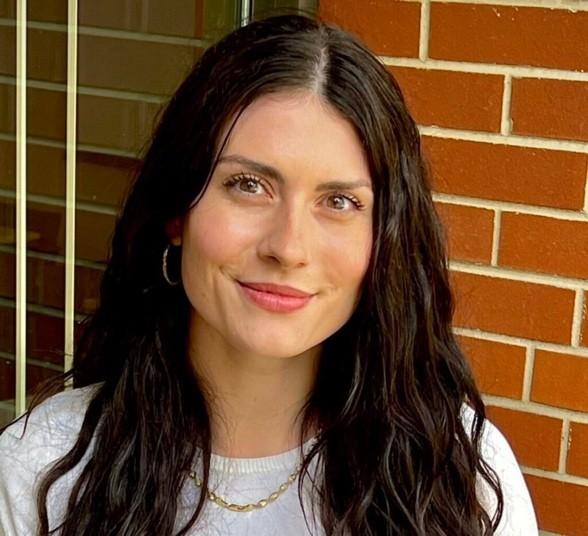
Justina Walker
Justina (she/her) is a Ph.D. candidate and settler researcher in the University of Guelph School of Environmental Design and Rural Development. Justina utilizes systems thinking and participatory methodologies in her research to explore community-based cultivation activities as part of community food sovereignty efforts, in collaboration with Biinjitiwaabik Zaaging Anishinaabek, Netmizaaggamig Nishnaabeg, Red Rock Indian Band, and Mamaweswen (The North Shore Tribal Council).
In the Braiding Food Systems project and at the Community Engaged Scholarship Institute, Justina works with community and social service organizations in research, evaluation, and knowledge mobilization to address community-identified needs and goals.