Indigenous Art and Language Guide
The following guide outlines spaces where Indigenous art and language can be found on the University of Guelph Guelph campus. The contributions come from diverse Indigenous artists and Knowledge Holders.
Outside of the spaces that are included in this guide, there are various framed Indigenous prints and paintings that adorn the walls of offices and meeting rooms across campus. Many of which come from the Art Gallery of Guelph. We appreciate the beauty that they bring to U of G but do not list them here.
This is a living webpage that will be updated as spaces change and more Indigenous art and language is introduced to our campus community.
Circle Mound
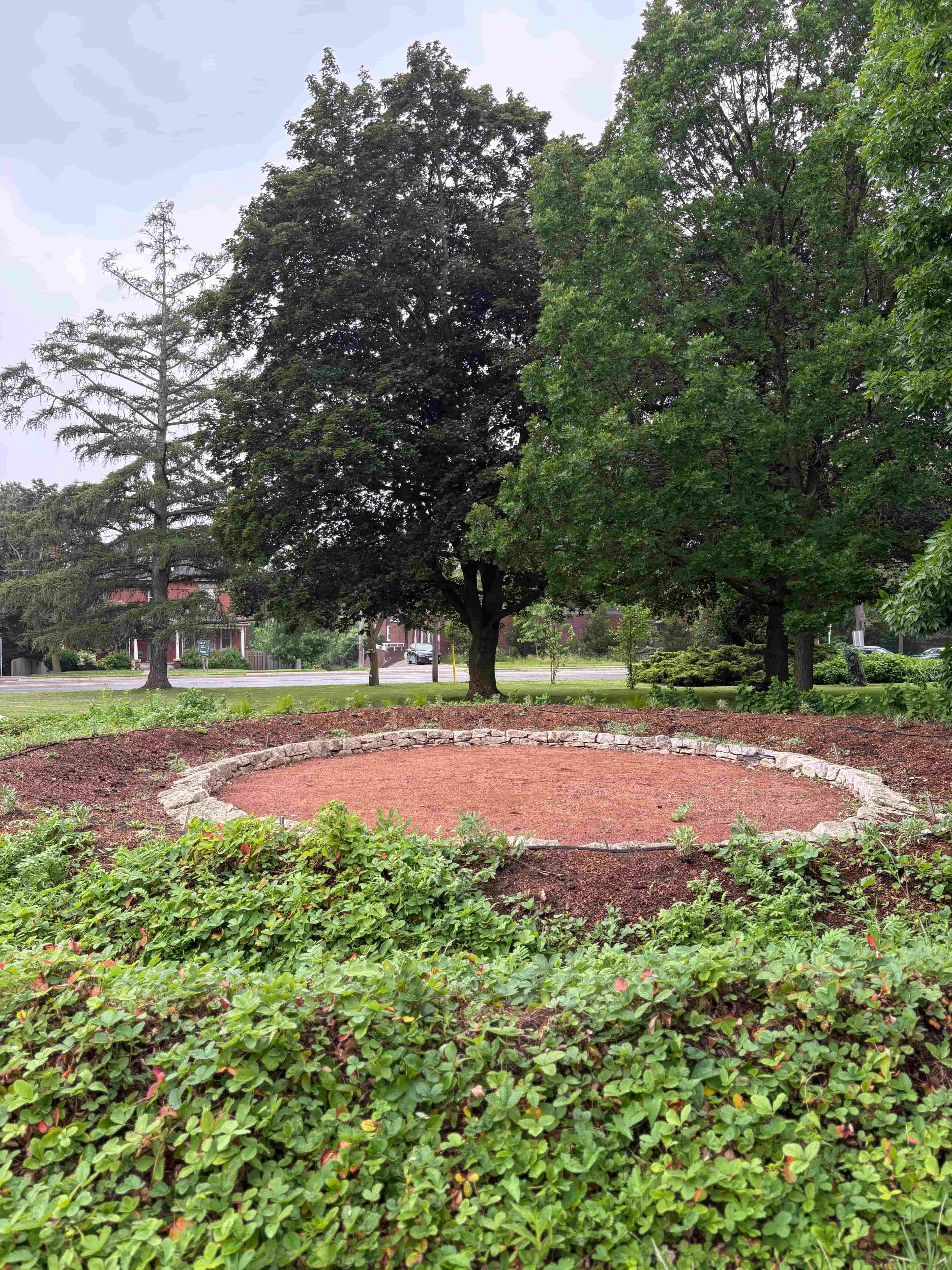
Circle Mound, located at the Art Gallery of Guelph, was created in 2016 by Don Russell (Acadian/Mi'kmaq). This earthwork speaks to the Indigenous history and presence that is indelibly and inextricably part of the Canadian landscape and that of communities nationally. The piece consists of a circular gathering space surrounded by various plants native to this land - notably, many strawberries.
Child Care and Learning Centre Mural
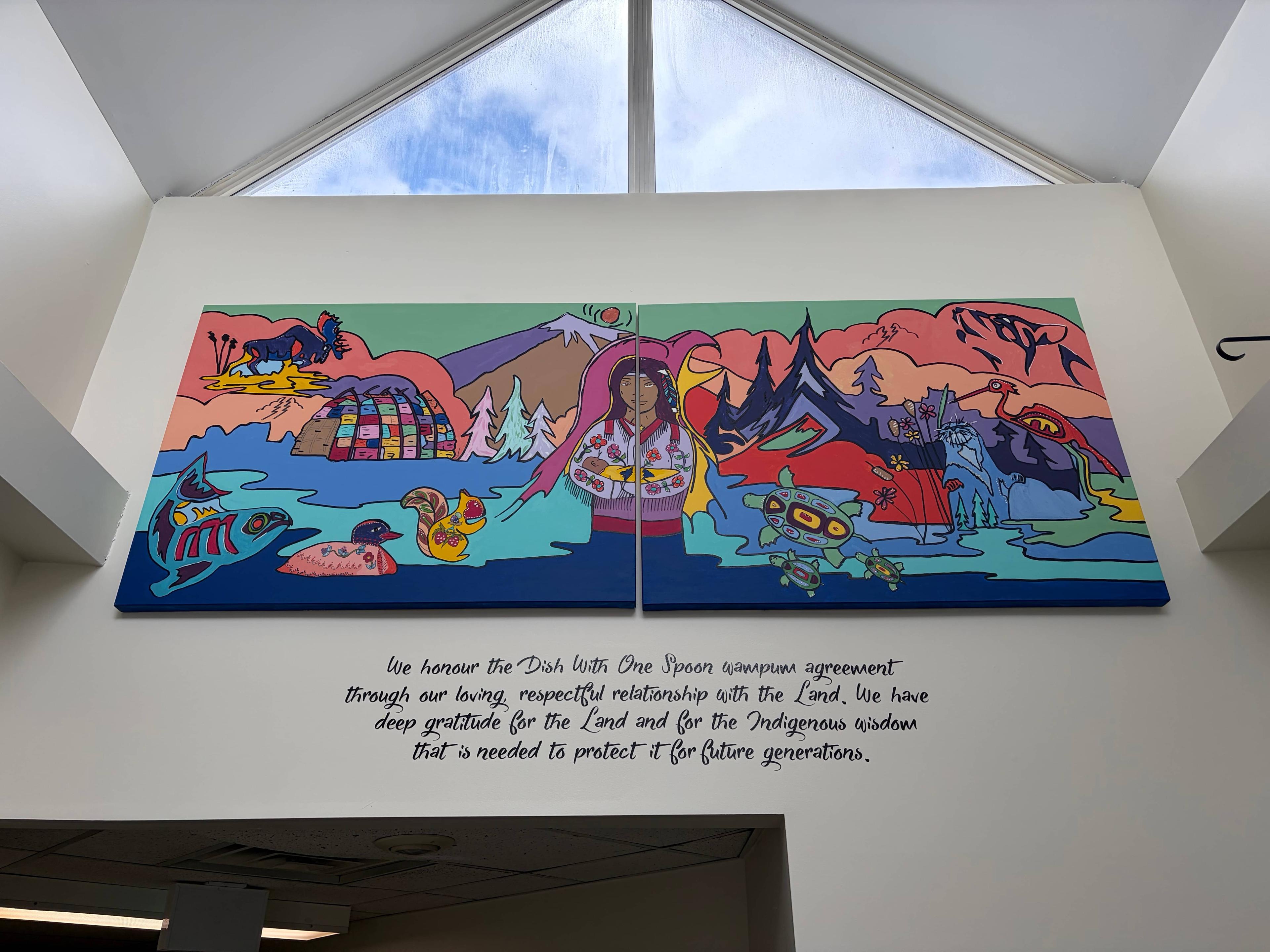
Made in 2022, this mural was co-created by Michael Cywink (Odawa Anishinaabe) and the team at the Child Care and Learning Centre (CCLC). Using the inspiration "Nibi aawan bimaadiziwin" or "Water is life," the collaborative team worked to create scenes that spoke to this theme, incorporating Michael's artistic perspective with the CCLC's value.
The Land Acknowledgement underneath reads: "We honour the Dish With One Spoon wampum agreement through our loving, respectful relationship with the Land. We have deep gratitude for the Land and for the Indigenous wisdom that is needed to protect it for future generations."
Colony
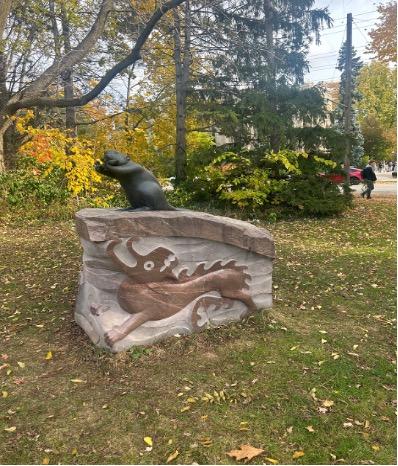
Created by Mary Anne Barkhouse and Michael Belmore in 2007, Colony addresses notions of Indigenous and colonial histories within the context of the Canadian wilderness. It features a beaver cast in bronze on an Ojibwa "Mishipeshu" carved in stone that references the power of nature in the construction of identity. This piece is located at the Art Gallery of Guelph and a matching beaver sculpture can be found in front of the Indigenous Student Centre on Gordon Street, pushing in the opposite direction (see Indigenous Student Centre below).
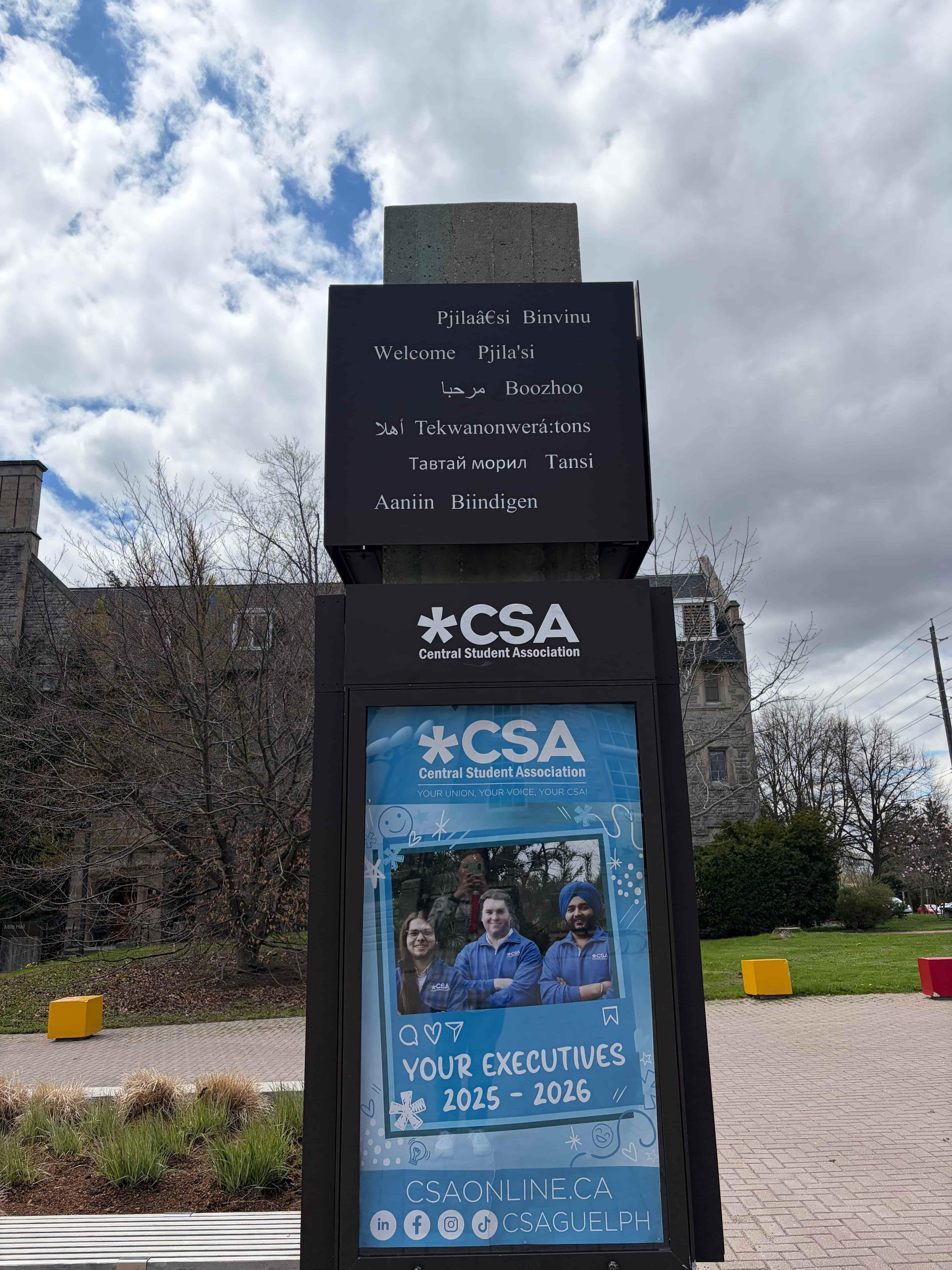
CSA Welcome Kiosk
Located on Winegard Walk in front of Creelman Hall, this kiosk features words of welcome in 30 different languages. Among them are Anishinaabemowin, Mohawk and Michif.

From Earth to Sky: Everything we Need is Right Here
Located in the Indigenous Student Centre, From Earth to Sky: Everything We Need is Right Here (2010) was created by Christi Belcourt (Métis). Christi is best known for her acrylic paintings which depict floral patterns inspired by Métis and First Nations historical beadwork art.

Guardian
Located in the Indigenous Student Centre, Guardian was created by Irene Avaalaaqiaq (Inuk, Baker Lake, Nunavut). This wall hanging is a compilation of the Inuit mythological stories of Sedna, the mother of all sea creatures.
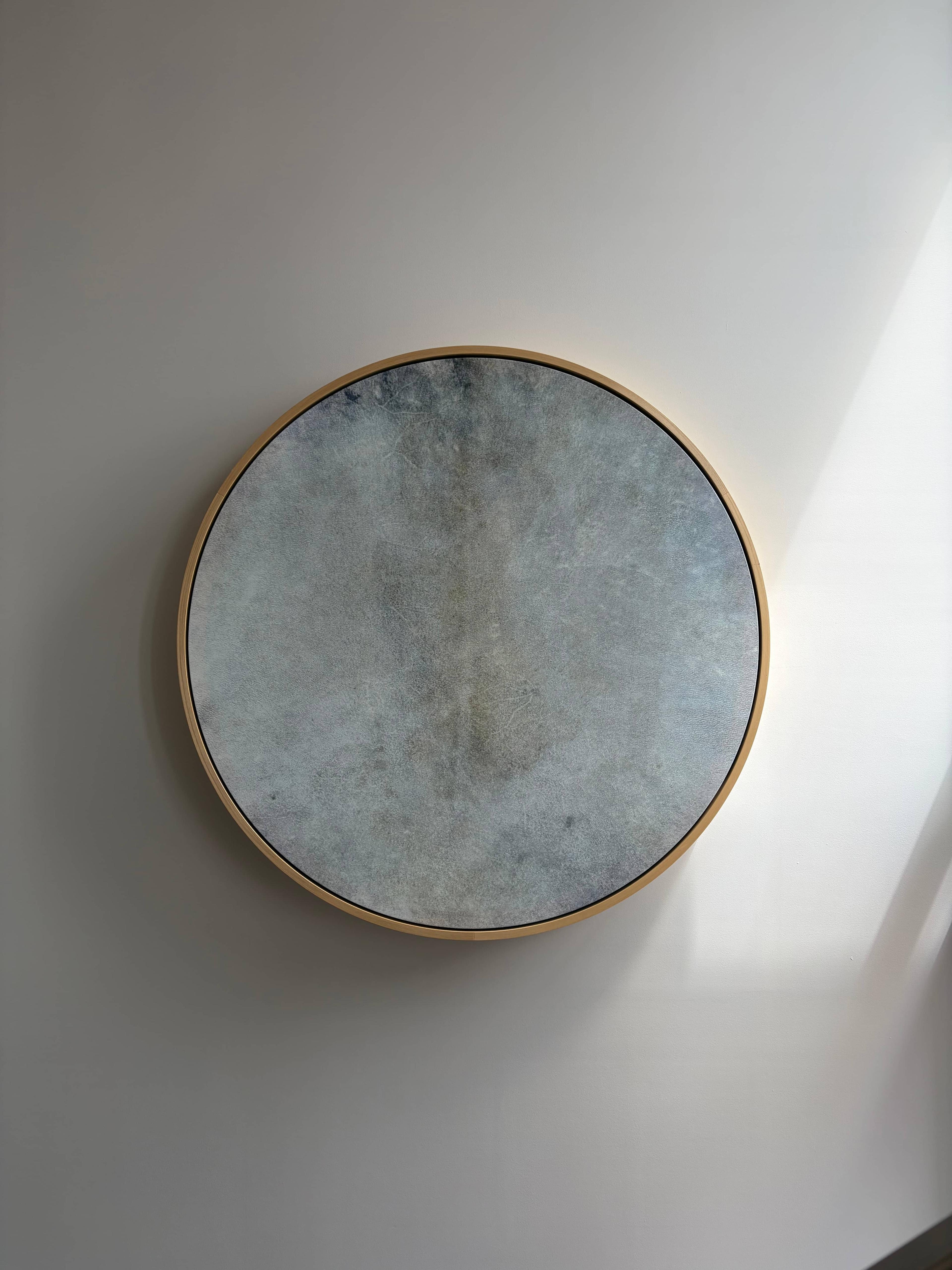
Hearth
Created in 2023 by Wolf Babe Collective, Hearth is an installation of moving light meant to mimic the welcoming warmth of visiting around a fire and the glow of the moon. Hearth can be found in the lobby of Student Health Services (J.T. Powell Building).
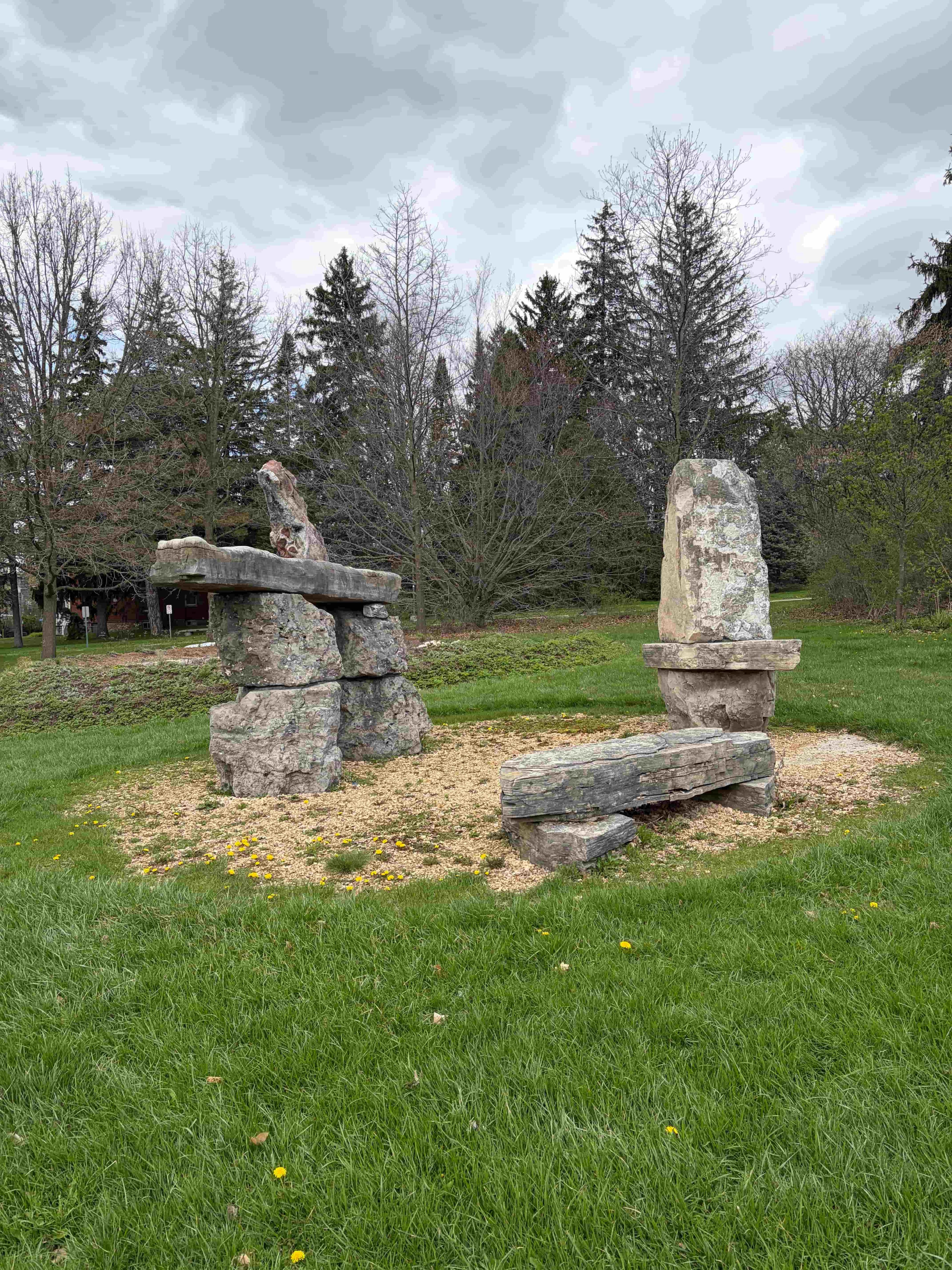
Kivioq's Journey Ends
Created in 2005 by William Noah, Kivioq's Journey Ends retells the story of Inuk hero, Kivioq, and his journey throughout the arctic. Kivioq symbolizes the continuation of the Inuit culture and the Inuktitut language in the midst of modern society. This piece gives an ending to Kivioq's joureny, showing him and his kayak as they reach the end of their journey. This sculpture can be found at the Art Gallery of Guelph.
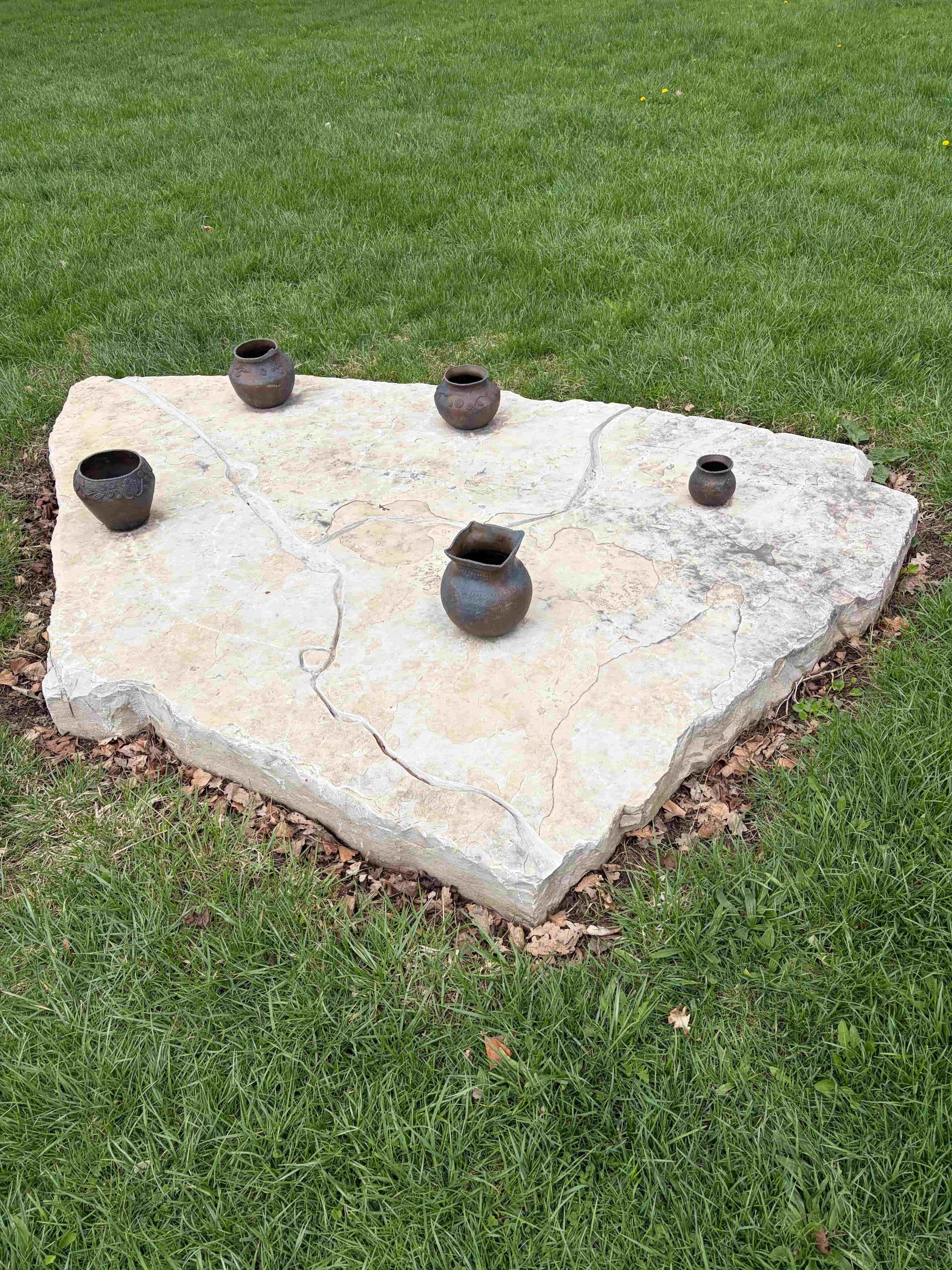
Maada'oonidiwag
Located at the Art Gallery of Guelph, Maada'oonidiwag (Coming Together) was created in 2022 by KC Adams (Anishinaabe, Nêhiyaw, British). Maada'oonidiwag features five bronze vases cast from clay vessels that rest on a limestone base. The base is etched with the intersecting paths of the Speed and Eramosa Rivers that shape the landscape of Guelph. This piece speaks to how memory is anchored in place.

Ontario Native Tree Loop
The Ontario Native Tree Loop in the Arboretum is home to many native tree species, and now features signs that include Indigenous art and language. In collaboration with various Indigenous language speakers and Knowledge Holders, staff, students, and faculty, new signs were created by Indigenous artist Kaitlyn Gallant.
The signs feature Anishinaabemowin, Mohawk, English, French and Latin. Additionally, they each include facts specific to the tree that is directly around it and the range in which they naturally grow. Pictured is an example of the American Plum Tree.
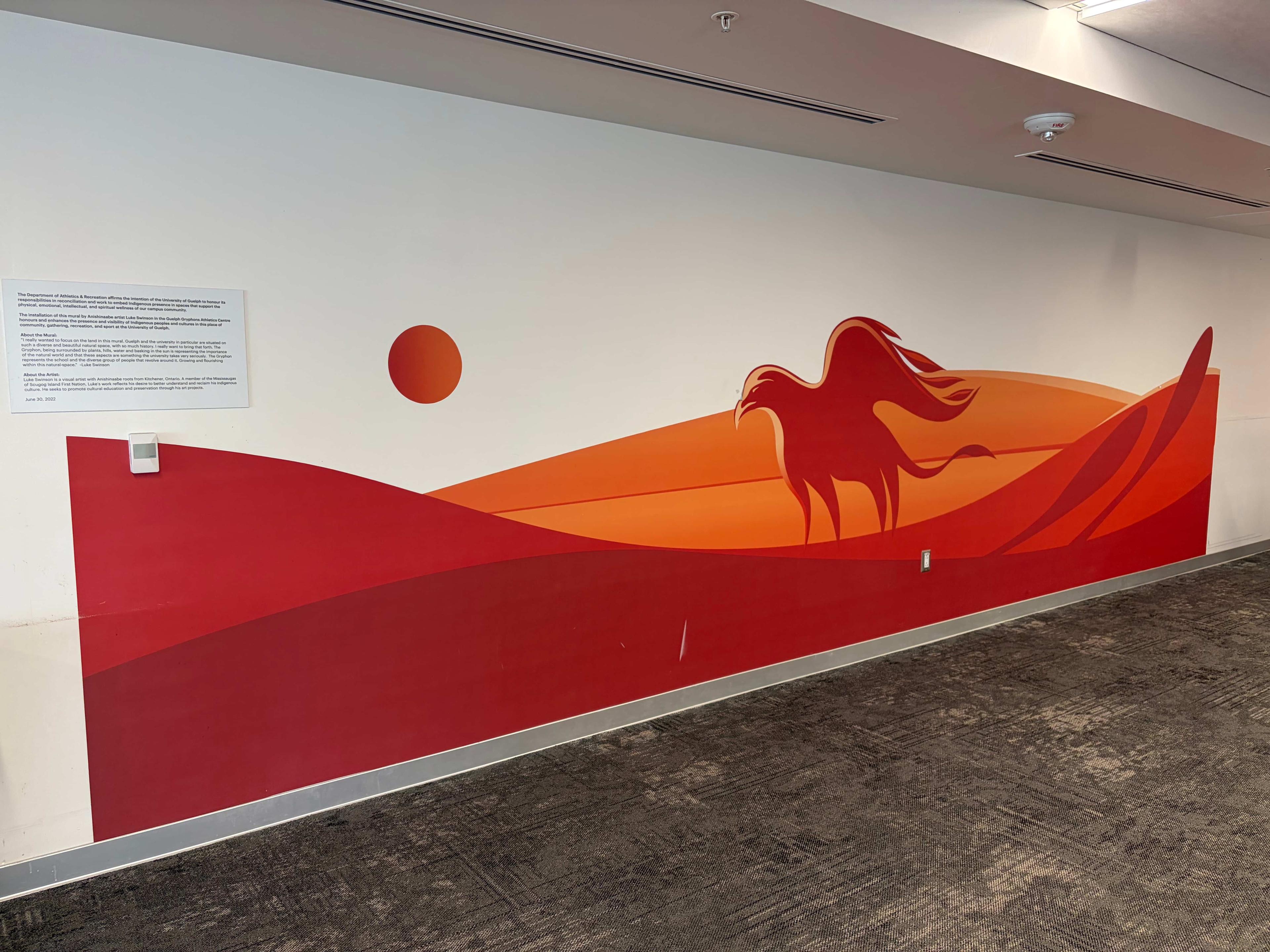
Orange Gryphon Mural
located in the lobby of the Athletics Centre, this mural was created in 2022 by Luke Swinson (Anishinaabe). This reimagination of the Gryphon is a reminder of U of G's and the Athletics department's commitment to reconciliation. The Gryphon represents the school and the diverse group of people that revolve around it.
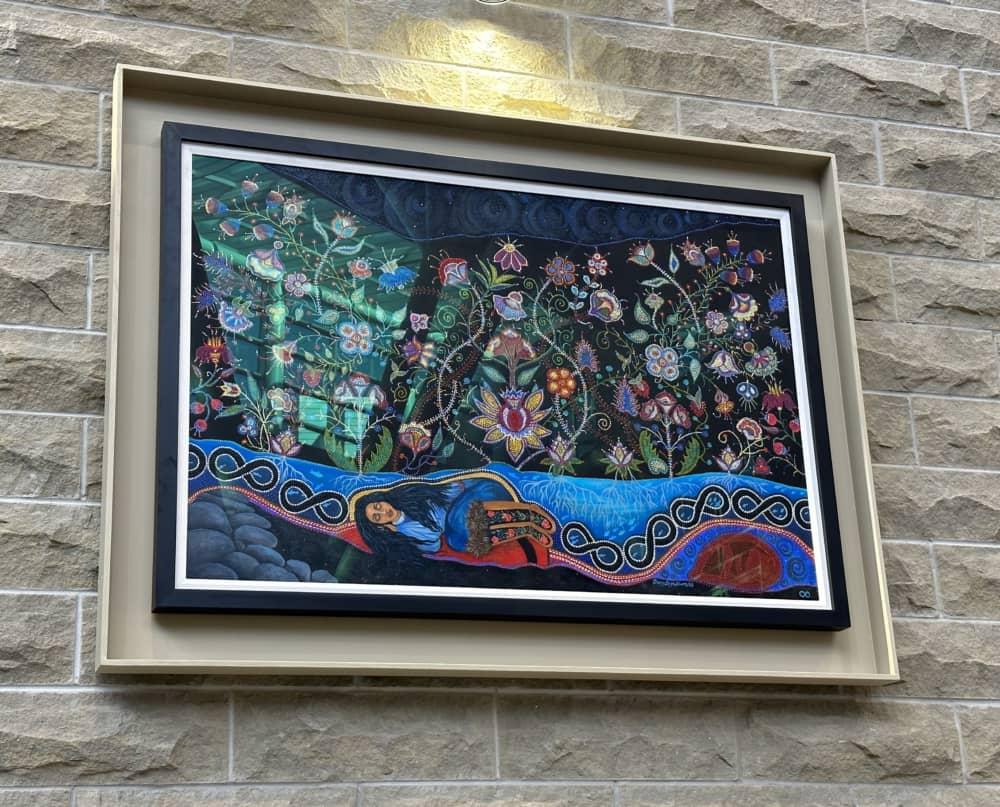
Otipemisiwak
Otipemisiwak, or "the people who own themselves," was created by Métis artist Sherry Leigh Williams and can be seen displayed in Waasamowin.
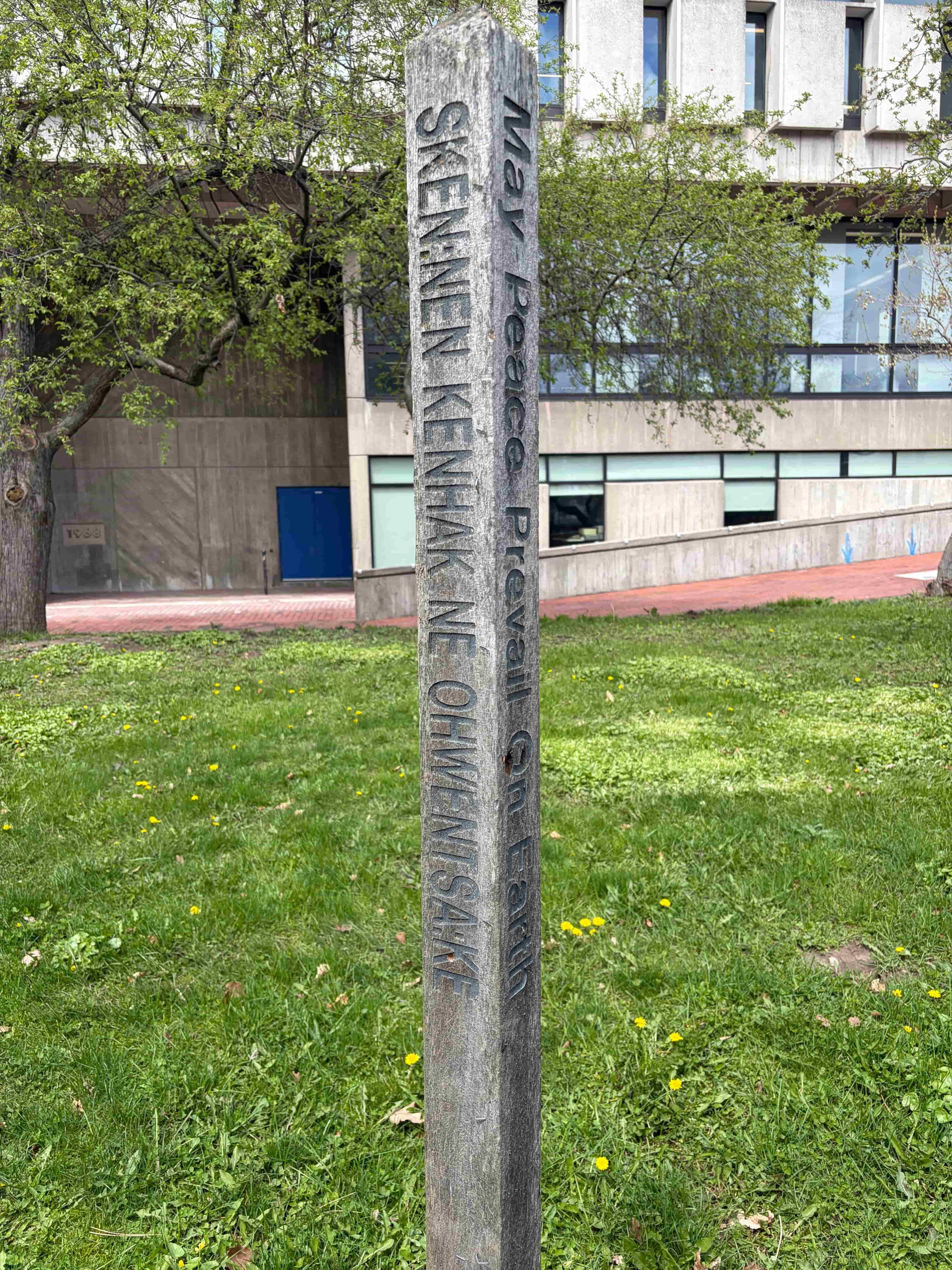
Peace Pole
The Peace Pole is located across from the Canon between Zavitz and McLaughlin Library. Peace Poles serve as reminders to cultivate peace in thought, word and action whild symbolizing humanity's shared desire for a world at peace and in harmony with all of Creation. U of G's Peace Pole holds the message "May Peace Prevail on Earth" in English, Mohawk, French and American Sign Language.
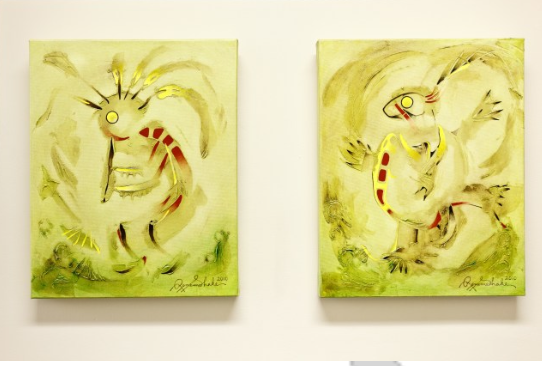
Pipigwewin and the Dancing Turtle
Located in the Indigenous Student Centre, Pipigwewin and the Dancing Turtle (2010) was created by Rene Meshake (Ojibway). Inspiration for this piece came when Rene saw a dancing turtle rise from the ashes of a dwindling fire. Rene was told by the Grandfathers to bring back the Pipigwewinwini (the flute player) and make the turtle dance once again. The sound of the Pipigwan flute imitates the staccato piping sound of the Pipigwish or Northern Flicker. Therefore, the Northern Flicker is painted as living in the heart of the dancing turtle. Greens and yellows represent new birth.

Skywoman and the Anishinaabe
Skywoman and the Aninshinabee was created by Jackie Traverse (Ojibway, Lake St. Martin First Nation) and can be found on display in Waasamowin.
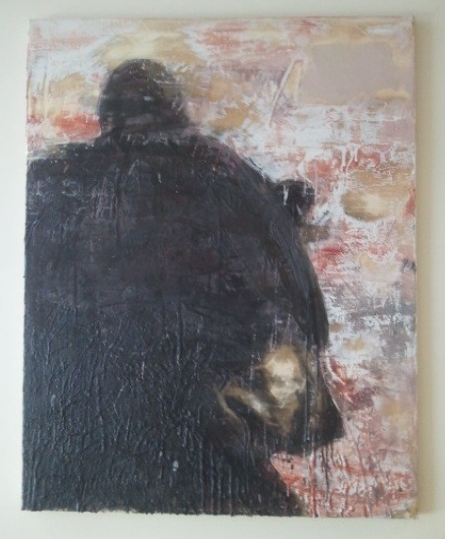
Summer Bear
Summer Bear (2010), created by Don Russell (Acadian/Mi'kmaq) can be found in the Indigenous Student Centre. Don was born in Stephenville, Newfoundland and earned a Bachelor of Arts degree with a specialization in fine art from the University of Guelph in 1995 and completed the Advanced Studies Program at the Dundas Valley School of Arts in 2002. His works have been and continue to be acquired by public collections, corporations, and private collectors.
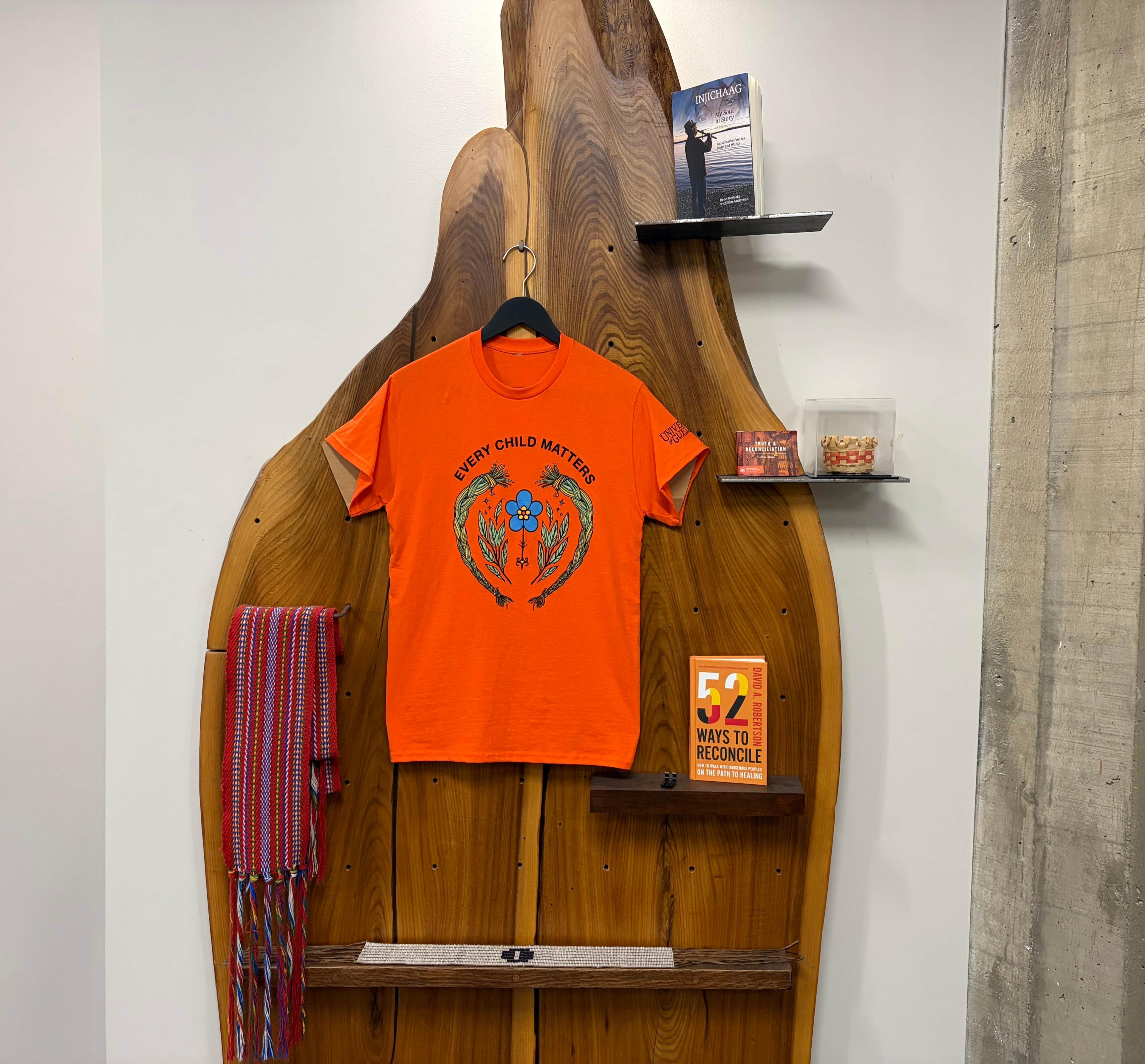
The Linc Display
Located in the Linc (the Lincoln Alexander Student Service Centre, Room 235) on the third floor (north side) of the University Centre. This changing display features various Indigenous items to be interacted with. Right now, it holds an orange Every Child Matters shirt, a Métis sash, a replica of the Dish With One Spoon Wampum Belt, a sweetgrass basket and a few books.
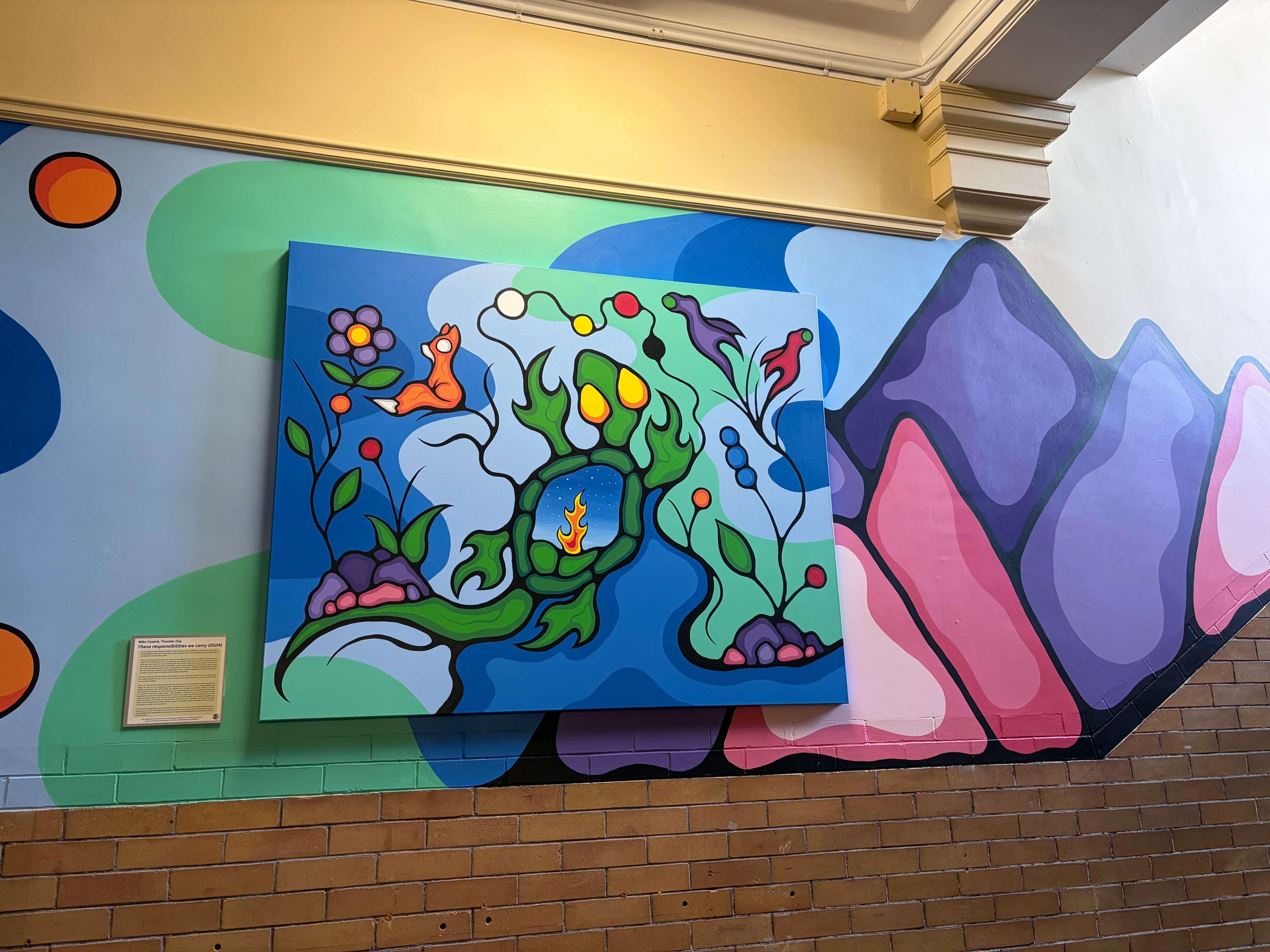
These Responsibilities We Carry
Created by Mike Cywink in 2024, this mural is located in the first floor of the Hutt Building and was commissioned by Dr. Diana Lewis' IndigenERA Lab. The piece is about the responsibility that we carry as we walk through life - a responsibility to the land, water, animals and the next generation.
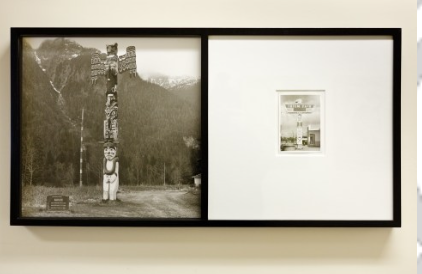
Totem Cafe
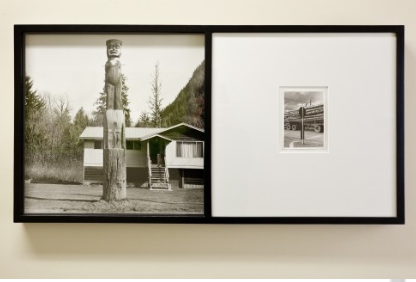
Totem Road and Totem Cafe (2004) were created by Arthur Renwick (Haisla) and now live in the Indigenous Student Centre. In a series of photographic diptychs entitled Totem Hysteria, Arthur pairs large black and white photographs of traditional northwest coast First Nations totem poles alongside smaller pictures of various commercial representations of totems. In this photographic essay, by using visual puns, he addresses ideas around cultural appropriation, representation and colonialism.
Totem Road
Totem Road and Totem Cafe (2004) were created by Arthur Renwick (Haisla) and now live in the Indigenous Student Centre. In a series of photographic diptychs entitled Totem Hysteria, Arthur pairs large black and white photographs of traditional northwest coast First Nations totem poles alongside smaller pictures of various commercial representations of totems. In this photographic essay, by using visual puns, he addresses ideas around cultural appropriation, representation and colonialism.
To New Beginnings
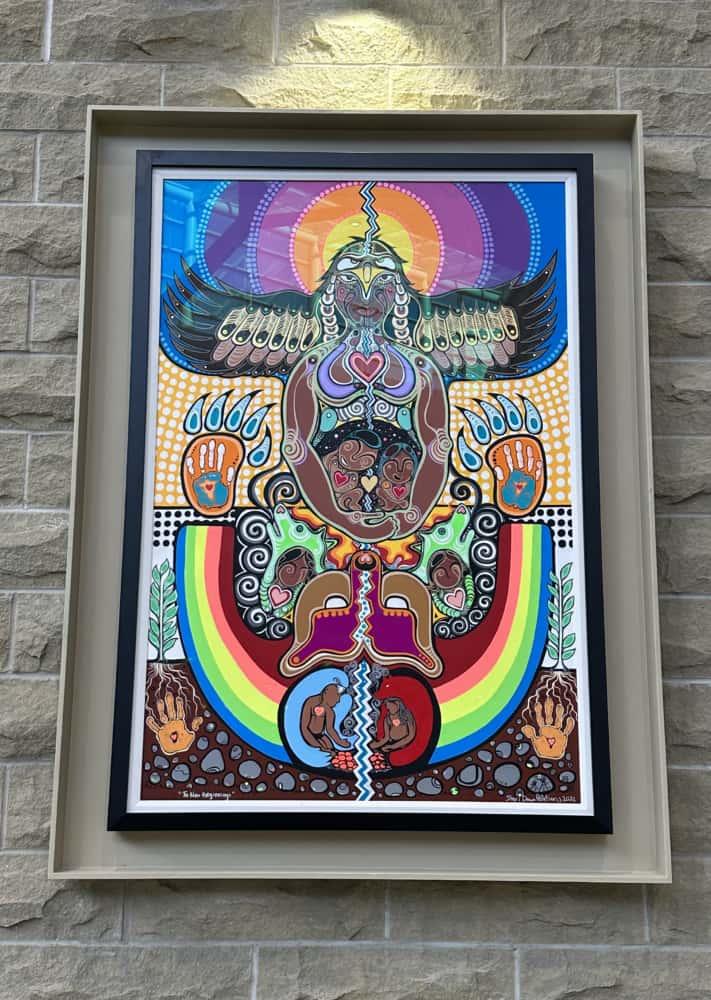
To New Beginnings was created by Sheri Dawn Pelletier (Saulteaux) and can be found displayed in Waasamowin.
Tribute to Nahneebaweequay
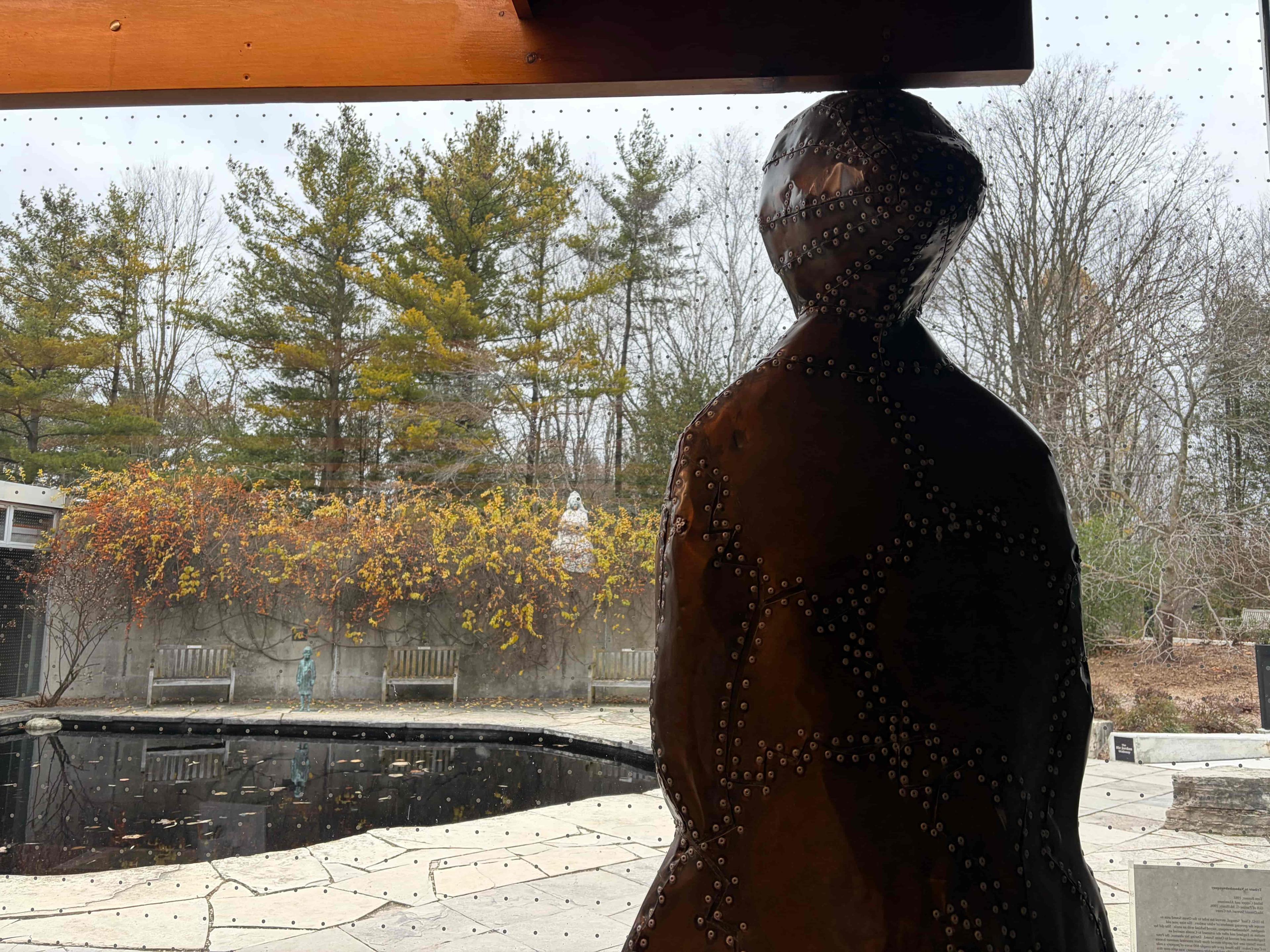
Located in the Arboretum at the Arboretum Centre, this partially outdoor-partially indoor sculpture was created in London, Ontario by artist Tom Benner in 1988. The piece was gifted to the Arbroteum by Pauline F. McHenry.
The pair of sculptures represents Nahneebaweequay (Ojibwe, 1824-1865) and her 1860 visit to Queen Victoria in England to plead her case for just treatment of Indigenous people. Nahneebaweequay is placed inside the Arboretum Centre, facing outward and looking at Queen Victoria who is positioned in the courtyard facing her.
The piece is made from sheet metal, copper and bronze.
Uhmikwahdeze
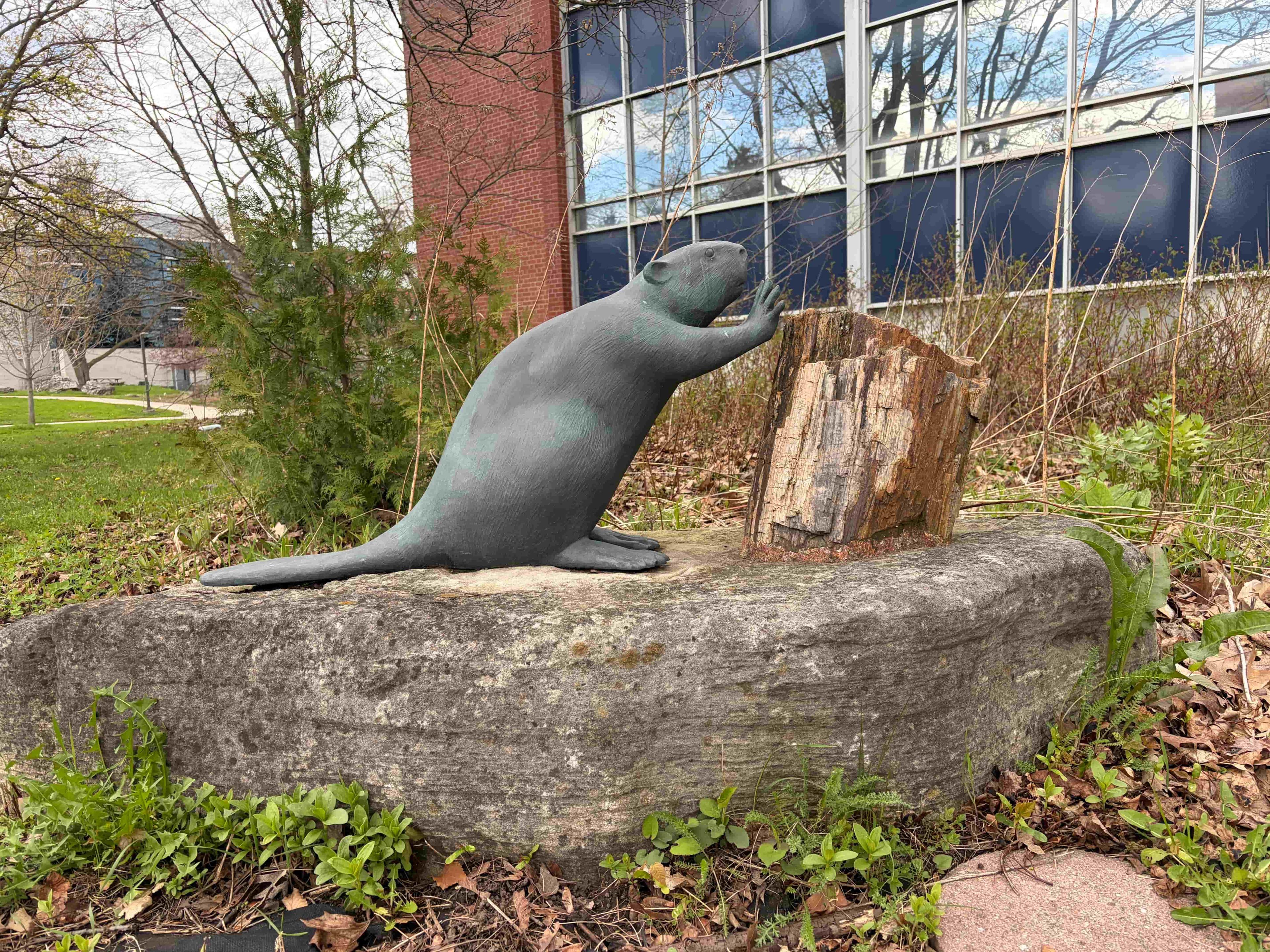
Uhmikwahdeze, The Beaver, is a sculpture located in front of the Indigenous Student Centre. Uhmikwahdeze (2010) was created by Mary Anne Barkhouse, whose works examine environmental concerns and Indigenous culture through the use of animal imagery - wolves, ravens, moose, and beaver are juxtaposed against a diversity of background situations. The beaver in front of the Indigenous Student Centre has a partner sculpture (see Colony above).
Untitled
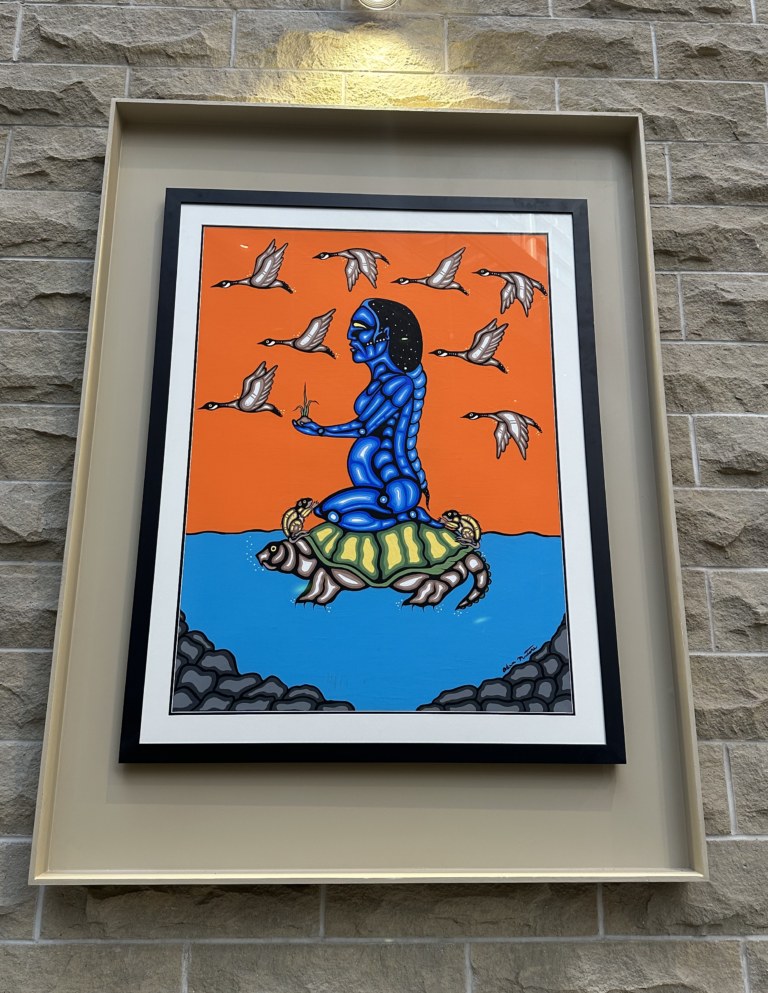
Untitled was created by Adam Monture (Mohawk, Six Nations of the Grand River) and can be found displayed in Waasamowin.
Waasamowin
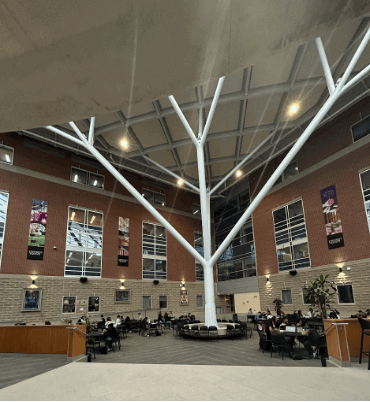
Located in the Summerlee Science Complex (SSC) and renamed in 2024 by late Elder Rene Meshake, Waasamowin means "to be bathed in light" in Anishinaabemowin. The word references the atmosphere of the tall, bright space that is flooded with natural daylight and houses lush foliage. Waasamowin was formerly known as the atrium in the SSC. The new name of the space was brought in at an event entitled Illuminating the Future: A Night of Indigenous Art and Science, which features the Six Nations Women Singers.