Kevin C. Courtney
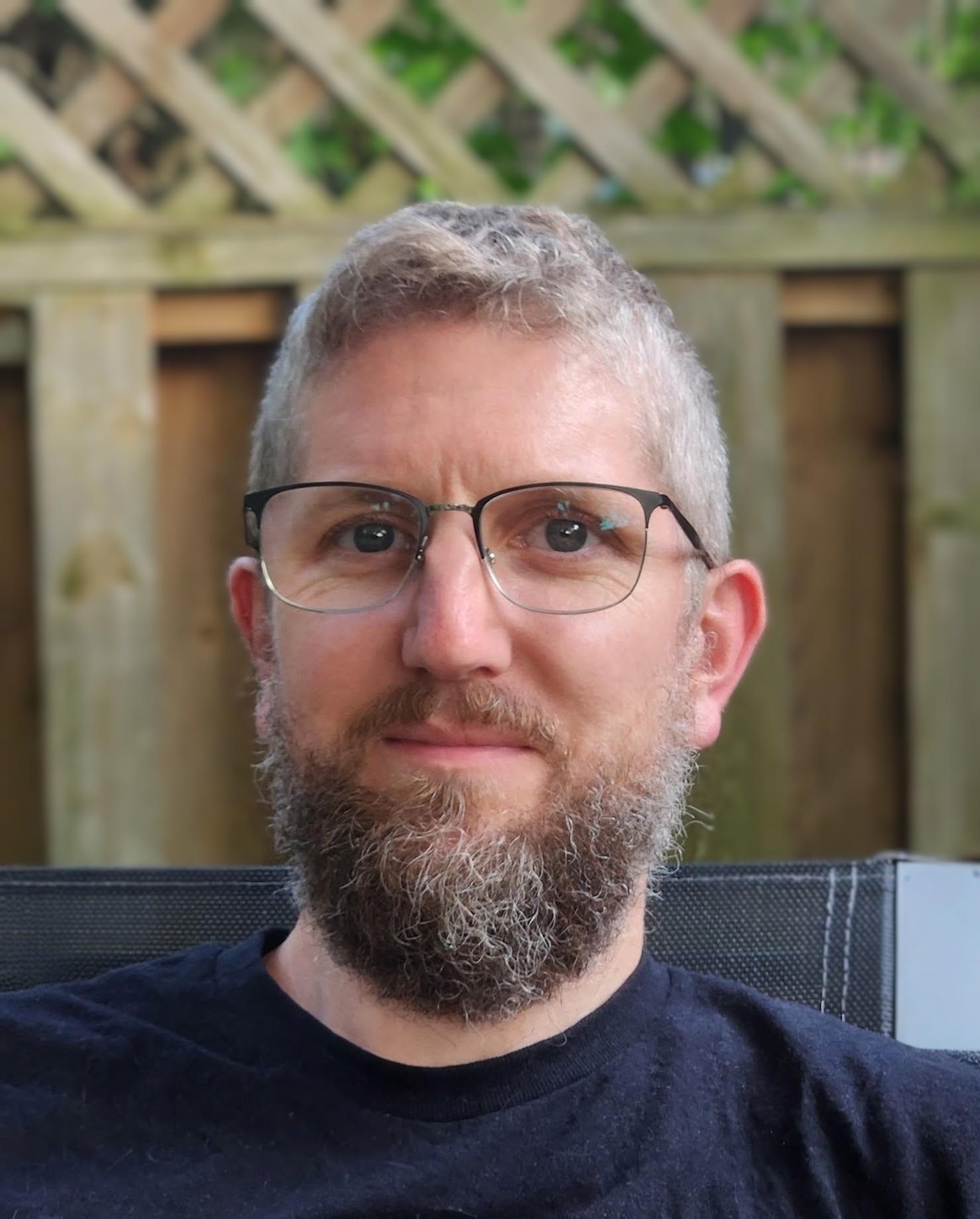
Assistant Professor
College of Biological Science, Department of Molecular and Cellular Biology
Research Areas
Membrane biochemistry, Lipid biology, vesicle trafficking, neuroscience
Profile
Originally from southern Ontario, my research career began as an undergraduate at the University of Guelph working as a lab technician between classes and through the Undergraduate Student Research Award (USRA) program during the summers. In the second half of my undergrad studies, I moved into the lab of Frances Sharom, which firmly established my continued interest in membrane biochemistry/biophysics and the role of lipids in regulating protein/cell function.
After completion of my undergraduate studies, I moved to the University of Ottawa to pursue a master’s degree in biochemistry (and later transferred into the PhD program) with Xiaohui Zha at the Ottawa Hospital Research Institute. In Ottawa, I continued to focus on understanding the role of lipids in cell biology, primarily focusing on cholesterol and sphingolipid biology in regulating cellular homeostasis. This work involved a combined in vitro biochemistry and cell biology approach where I developed a keen interest in fluorescence-based methodologies, especially fluorometry and fluorescence microscopy.
Following my graduate studies, I then moved to Madison, Wisconsin as a postdoctoral fellow to work with Edwin Chapman, a Howard Hughes Medical Institute investigator, at the University of Wisconsin-Madison. This postdoctoral work was a further extension of my prior membrane biochemistry/biophysics studies with a specific focus on how membrane proteins and lipids regulate communication between neurons (neurotransmission) through the process of synaptic vesicle exocytosis. I largely examined the molecular mechanics of synaptotagmin proteins and complexin in neurotransmission. This experience was an incredible opportunity to be challenged and learn from a group of very talented and dedicated colleagues all seeking to answer difficult biological questions with cutting-edge techniques.
After working for a few years as an assistant professor in biochemistry at West Virginia University in Morgantown, West Virginia, I happily returned to the University of Guelph as a faculty member in the Department of Molecular and Cellular Biology. My lab in Guelph centres on understanding the molecular mechanisms that regulate membrane trafficking and fusion in mammalian cells. This includes describing the details of synaptic vesicle exocytosis and autophagy and how these processes become dysregulated during aging. More details are outlined in the Research section below.
Hobbies: Long-distance trail running, gravel biking, listening to and making music, reading books, petting dogs and cats
Education
- B.Sc. (Hons) Biological Science, University of Guelph
- Ph.D. Biochemistry, University of Ottawa
- Post-doctoral fellow, University of Wisconsin-Madison (HHMI)
Research
While I maintain a broad interest in biology and biochemistry, research in my lab primarily focuses on understanding the basic molecular mechanisms that regulate the trafficking and fusion of vesicular membranes in mammalian cells. In order to move membrane proteins and lipids throughout the cell, these molecules are commonly packaged into vesicular compartments, which then must be trafficked and ultimately fuse with their target membrane to deliver the material to their intended destination. This process of membrane fusion, driven by SNARE proteins, underlies countless cellular processes including neurotransmission, ER-Golgi trafficking, insulin release, endocytosis, autophagy, etc. Importantly, minor aberrations or mutations in the proteins mediating these processes lead to severe disease. We are therefore interested in describing the molecular details that govern these membrane fusion reactions with the intention of elucidating mechanisms of human disease including neurodegeneration and aging.
To this end, my lab employs a multi-disciplinary approach combining in vitro biochemistry/biophysics and cell biology (focusing on advanced fluorescence microscopy) to answer biological questions. Although membrane fusion is involved in numerous processes, currently, the lab is primarily focused on one particular fusion reaction: the fusion of autophagosomes and lysosomes during the process of autophagy. Some additional details on the current projects are provided here:
Autophagosome-lysosome fusion and autophagy research direction
The efficient management of sub-cellular injury, protein misfolding and organelle damage through the process of autophagy is critical for maintaining cell health and preventing the development of disease including neurodegeneration and cancer. One of the first steps in autophagy involves sequestering sub-cellular material within a vesicular structure called an autophagosome. Autophagosomes are then brought into proximity with lysosomes, the degrative organelle of the cell, to enable trans-SNARE assembly and subsequent merger of the two compartments; this delivers the autophagosome-encapsulated material to the acidic and proteolytic environment of the lysosomal lumen for degradation. Without efficient autophagosome-lysosome (Auto-Lyso) fusion, sub-cellular material accumulates, severely impacting cellular health and function. It is critical to elucidate how Auto-Lyso fusion is regulated to understand the molecular determinants of autophagy-associated disease.
One of the primary objectives of my lab at this time aims to describe how a SNARE-binding protein, sec1-family domain containing protein 1 (SCFD1), and a Ca2+ sensor, synaptotagmin 7 (SYT7) regulate Auto-Lyso fusion. SCFD1 was recently reported to be a regulator of Auto-Lyso fusion. Interestingly, mutations or aberrant expression of SCFD1 has also recently been implicated in the development of neurodegenerative disease. This project will characterize SCFD1 function at the molecular level and describe the mechanisms that underlie how dysregulation of SCFD1 leads to disease.
The second main autophagy-related project examines the Ca2+ regulation of Auto-Lyso fusion through the action of a lysosome-resident Ca2+-binding protein, SYT7. It has been shown that cancer cells upregulate both SYT7 expression and autophagy to facilitate proliferation, but a direct connection between SYT7 and autophagy has not been reported. The lysosomal lumen is enriched in Ca2+ and it has been demonstrated that Ca2+ is released from the lysosome during autophagy. Although Ca2+ is a tightly regulated and ubiquitous trigger of myriad membrane fusion reactions, a bone fide Ca2+ sensing protein for Auto-Lyso fusion has not been established. We hypothesize that SYT7 is activated by Ca2+ release from the lysosome to trigger Auto-Lyso fusion.
Together, this work will provide novel insights into the regulation of Auto-Lyso fusion and describe the detailed molecular mechanisms that implicate both SCFD1 and SYT7 in the development of autophagy-associated disorders.
Selected Publications
- Ahmed S, Woehrling A, Li P, Valentine SJ, Courtney KC. (2026) Structural Characterization of Calcium-Dependent Calmodulin-Calmidazolium Binding using Capillary Vibrating Sharp-Edge Spray-based Native Mass Spectrometry and In-Droplet Hydrogen Deuterium Exchange Mass Spectrometry. bioRxiv 2026.05.15.725515; doi: https://doi.org/10.64898/2026.05.15.725515
- Wright M, Redford M, Vehar J, Courtney KC, Billington N, Liu R. (2024) Protocols for MultiBac System-based Purification and Biophysical Characterization of Human Myosin-7a. Journal of Visualized Experiments (210), e67135, doi:10.3791/67135
- Courtney KC, Mandal T, Mehta N, Wu L, Li Y, Das D, Cui Q, Chapman ER. (2023) Synaptotagmin-7 outperforms synaptotagmin-1 to promote the formation of large, stable fusion pores via robust membrane penetration. Nat Commun 14, 7761. https://doi.org/10.1038/s41467-023-42497-8
- Courtney KC*, Wu L*, Mandal T, Swift M, Zhang Z, Alaghemandi M, Wu Z, Bradberry MM, Deo C, Lavis LD, Volkmann N, Hanein D, Cui Q, Bao H, Chapman ER. (2022) The complexin C-terminal amphipathic helix stabilizes the fusion pore open state by sculpting membranes. Nature Structural & Molecular Biology 29, 97–107. https://doi.org/10.1038/s41594-021-00716-0.
- Courtney KC*, Vevea JD*, Li Y*, Wu Z, Zhang Z, Chapman ER. (2021) Synaptotagmin 1 oligomerization via the juxtamembrane linker regulates spontaneous and evoked neurotransmitter release. Proceedings of the National Academy of Sciences 118 (48) e2113859118; https://doi.org/10.1073/pnas.2113859118.
- Vevea JD, Kusick GF, Courtney KC, Chen E, Watanabe S, Chapman ER. (2021) Synaptotagmin 7 is enriched at the plasma membrane to promote vesicle docking and control synaptic plasticity. eLife 2021;10:e67261 DOI: 10.7554/eLife.67261
- Wu L, Courtney KC, Chapman ER. (2021) Cholesterol stabilizes recombinant exocytic fusion pores by altering membrane bending rigidity. Biophysical Journal, 120(8). DOI: 10.1016/j.bpj.2021.02.005.
- Liu L*, Courtney KC*, Huth SW, Rank LA, Weisblum B, Chapman ER, Gellman SH. (2021) Beyond Amphiphilic Balance: Changing Subunit Stereochemistry Alters the PoreForming Activity of Nylon-3 Polymers. Journal of the American Chemical Society, 143(8). DOI: 10.1021/jacs.0c12731.
- Das D, Bao H, Courtney KC, Wu L, Chapman ER. (2020) Resolving kinetic intermediates during the regulated assembly and disassembly of fusion pores. Nature Communications, 11(231). DOI: 10.1038/s41467-019-14072-7.
- Courtney KC, Fung KY, Maxfield FR, Fairn GD, Zha X. (2018) Comment on "Orthogonal lipid sensors identify transbilayer asymmetry of plasma membrane cholesterol. eLife, 7, 8, DOI: 10.7554/eLife.38493.
- Courtney KC, Pezeshkian W, Raghupathy R, Zhang C, Darbyson A, Ipsen, JH, Ford DA, Khandelia H, Presley JF, Zha X. (2018) C24 sphingolipids govern the transbilayer asymmetry of cholesterol and lateral organization of model and live cell plasma membranes. Cell Reports, 24(4), 1037-1049. DOI: 10.1016/j.celrep.2018.06.104.
- Eid W, Dauner K, Courtney KC, Gagnon A, Parks RJ, Sorisky A, Zha X (2017) mTORC1 Activates SREBP-2 by Suppressing Cholesterol Trafficking to the Lysosomes in Mammalian Cells. Proceedings of the National Academy of Sciences, 114(30), 7999- 8004. DOI: 10.1073/pnas.1705304114.
- Dong F, Mo Z, Eid W, Courtney KC, Zha X (2014) Akt Inhibition Promotes ABCA1- Mediated Cholesterol Efflux to ApoA-I through Suppressing mTORC1. PLOS ONE 9(11): e113789. DOI: 10.1371/journal.pone.0113789.