Sherri Cox
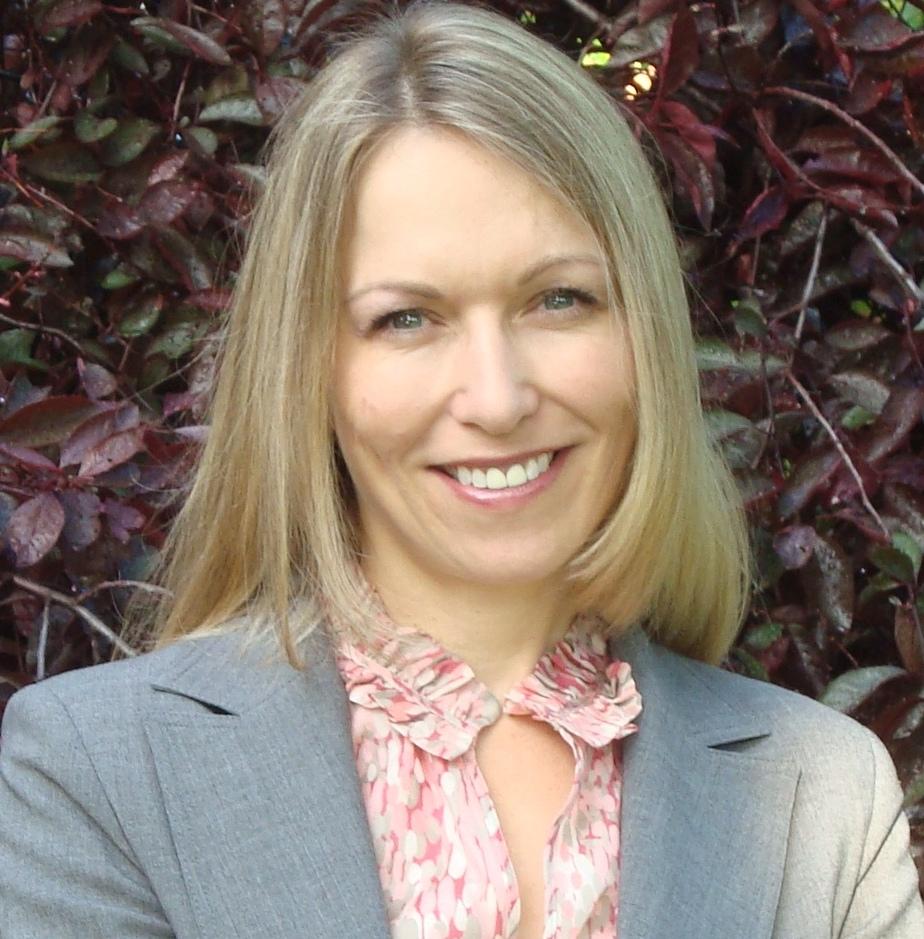
Associate Professor
College of Biological Science, Department of Integrative Biology, Ontario Veterinary College, One Health Institute
Research Areas
- Comparative animal physiology
Profile
As a wildlife veterinarian and Medical Director at the National Wildlife Centre, I am passionate about helping to improve the health and welfare of wild animals and disseminating new information about unique cases I see when treating sick and injured wildlife. From moose to mice and turtles to terns, I treat all indigenous wildlife. I seek to help connect students, the public, wildlife rehabilitators, and scientists together to improve the lives of these wild animals through a One Health concept.
My research is rooted in wildlife rehabilitation. Specifically, I am interested in the welfare of wild animals and helping restore health to sick and injured wildlife. I am also interested in looking at anthropogenic effects on wildlife that have been admitted to rehabilitation centres. There are so many ways that our actions have an impact on wildlife, and I am interested in helping wildlife rehabilitators care for wild animals for subsequent release back to the wild. I am also interested in wild animal welfare when working with free-ranging wildlife. In addition, we are investigating the extent of lead toxicosis in many (apparently) healthy Trumpeter Swans, as well as investigating other morbidities in individual wild animals admitted to rehabilitation centres.
Education
D.V.M. – University of Guelph
M.B.A. – University of Guelph
Ph.D. – University of Guelph
Avian Specialist – American Board of Veterinary Practitioners
Selected Publications
Cox, S., Stevens, B., Reggeti, F. (2022). Bromethalin exposure in a free-ranging American black bear (Ursus americanus). Journal of Wildlife Disease. DOI: 10.7589/JWD-D-21-00039
Cox, S., (2021). Comparative Physiology. International Wildlife Rehabilitation Council.
Cox, S. (2017). Special topics: Orthopedics in wildlife. National Wildlife Rehabilitator Association. R. Druerr, Ed.
Miller, E., Goodman, M., Cox, S. (Eds.) (2017). NWRA Wildlife formulary. 4th Ed. National Wildlife Rehabilitator Association.
Cox, S., Campbell, D., Nemeth, N. (2015). Outbreaks of West Nile virus in captive waterfowl in Ontario, Canada. Avian Pathology 44(2):135-41.
Camphuysen, K., Huebeck, M., Cox, S., Bao, R. Humple, D., Abraham, C., & Sandoval, A. (2002). The Prestige oil spill in Spain. Atlantic Seabirds, 4(3): 131-140.
Teaching
BIOL*3670 - Introduction to Wildlife Rehabilitation (Fall 2024)
BIOL*3680 - Wildlife Rehabilitation: Caring for Sick, Injured, and Orphaned Wildlife (Winter 2025)