  • Undergraduate Programs
  • Scholarships and Awards
  • Field Courses
  • Research Courses
  • Faculty Advisors
  • Student Supports and Services
  • Graduate Programs
  • Graduate Funding and Scholarships
  • Student Opportunities
  • Graduate Courses
  • Graduate Defences
  • Graduate Student Supports and Services
  • MSc and PhD Programs by Semester
  • Comparative Animal Physiology
  • Ecology
  • Evolutionary Biology
  • CBS ReSearch Database
  • Departmental Seminar Series
  • Evelyn Pielou Discussion Group
  • Infrastructure and Facilities
  • Hagen Aqualab
  • Herbarium
  • Employment Opportunities
  • Strategic Plan
  • Equity, Diversity and Inclusion Statement
  • Support Integrative Biology
  • People
  • Contact Us
Log-in
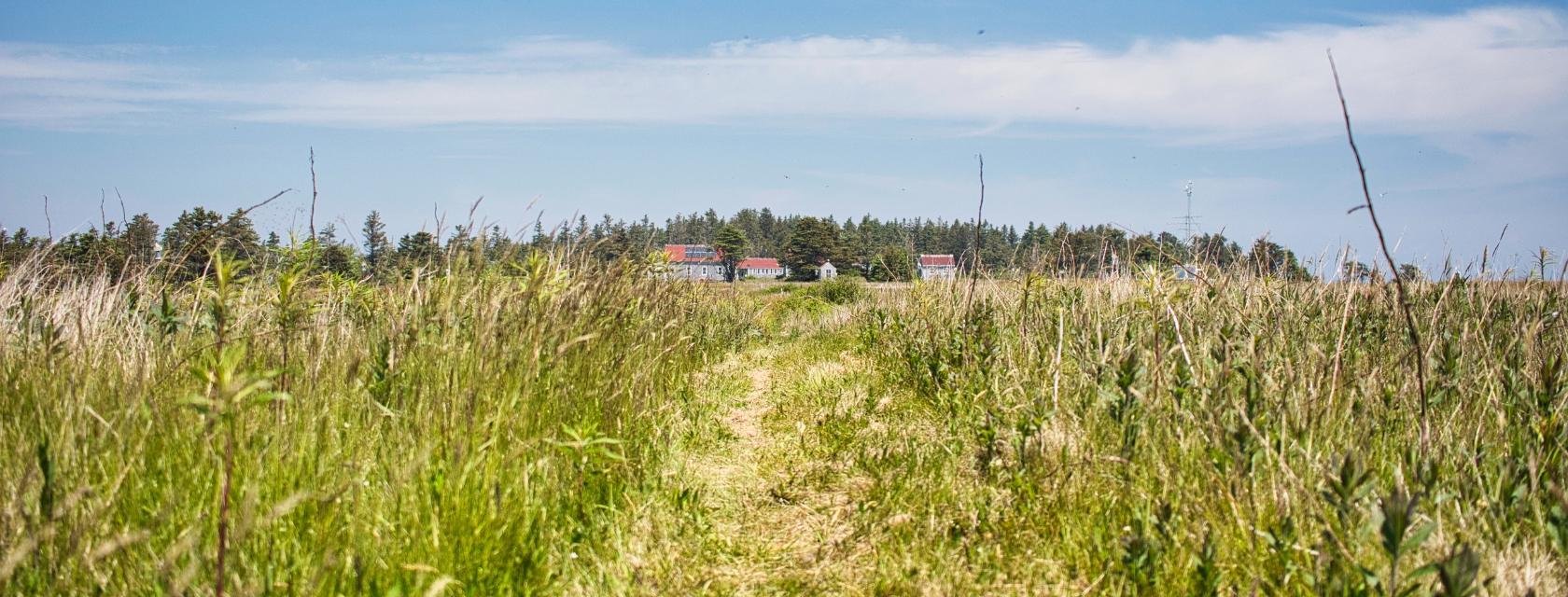
grassy meadow

Ecology

  1. U of G Homepage
  2. Integrative Biology
  3. Areas of Research

With its focus on the interrelations between organisms and their environment, ecology is a growing and multidisciplinary science that draws on many other fields, including geology, chemistry, physics, and mathematics. Our faculty work in both terrestrial and aquatic ecosystems on a broad range of ecological topics, including physiological responses of organisms to changing environmental conditions, the structure and dynamics of populations and communities, as well as ecosystems processes. We apply our research to a number of pressing societal issues, including wildlife and habitat conservation, ecosystem restoration, management of invasive species, and climate change. Our scientific contributions extend well beyond Ontario and address issues of regional, national, and international importance.

Our faculty help to manage a number of state-of-the-art research facilities, including the Algonquin Wildlife Research Station, the Hagen Aqualab, and the University of Guelph Phytotron. Many of our faculty and students conduct field studies in temperate, boreal, and arctic settings to tackle novel ecological questions.

  • Josef Ackerman - Physical Ecology, Aquatic Science, Benthic Ecology
  • Tim Bartley
  • Joey Bernhardt - Ecosystem/Community Ecology, Aquatic Ecology, Theortical Ecology, Fisheries
  • Karl Cottenie - Community Ecology, Metacommunity Dynamics, Freshwater Ecosystems, Biostatistics, Synthesis
  • Steve Crawford - Great Lakes Fish Ecology, Science in Natural Resource Management, Indigenous-Western Science Knowledge Systems
  • John Fryxell - Mammalian Ecology, Foraging Behaviour, Population Dynamics, Modelling, Terrestrial
  • Tess Grainger - Community Ecology, Population Ecology, Global Change, Eco-evolutionary Dynamics, Terrestrial
  • Andrew MacDougall - Plant Community Ecology, Population Ecology, Global Environmental Change, Conservation Biology)
  • Hafiz Maherali - Evolutionary Physiology, Comparative Plant Ecology, Functional Ecology, Global Change Biology
  • Kevin McCann - Food web Ecology, Ecosystem/Community Ecology, Aquatic Ecology, Theortical Ecology, Fisheries
  • Jonathan Newman - (Adjunct) Invasion Ecology, Climate Change, Physiological Ecology, Population Ecology, Community Ecology, Modelling, Grassland Ecology
  • Steve Newmaster - Plant Biodiversity, First Nation Plant Use, Mosses and Fungi
  • Ryan Norris - Population and Behavioural Ecology, Migration, Avian Ecology, Stable Isotopes
  • M. Alex Smith - Biodiversity, Molecular Ecology, DNA barcoding
  • Quinn Webber - Behavioural Ecology, Population Dynamics, Disease Evolution
College of Biological Science logo

About

The College of Biological Science is a globally recognized academic faculty with a mission to expand the understanding of life, from DNA to cells to complex ecosystems. It produces intrepid and interdisciplinary research in a student-centred learning environment that encourages and promotes comprehensive understanding of the systems that govern life.

Departments

  • Department of Human Health Sciences
  • Department of Integrative Biology
  • Department of Molecular and Cellular Biology