  • Undergraduate Programs
  • Scholarships and Awards
  • Field Courses
  • Research Courses
  • Faculty Advisors
  • Student Supports and Services
  • Graduate Programs
  • Graduate Funding and Scholarships
  • Student Opportunities
  • Graduate Courses
  • Graduate Defences
  • Graduate Student Supports and Services
  • MSc and PhD Programs by Semester
  • Comparative Animal Physiology
  • Ecology
  • Evolutionary Biology
  • CBS ReSearch Database
  • Departmental Seminar Series
  • Evelyn Pielou Discussion Group
  • Infrastructure and Facilities
  • Hagen Aqualab
  • Herbarium
  • Employment Opportunities
  • Strategic Plan
  • Equity, Diversity and Inclusion Statement
  • Support Integrative Biology
  • People
  • Contact Us
Log-in
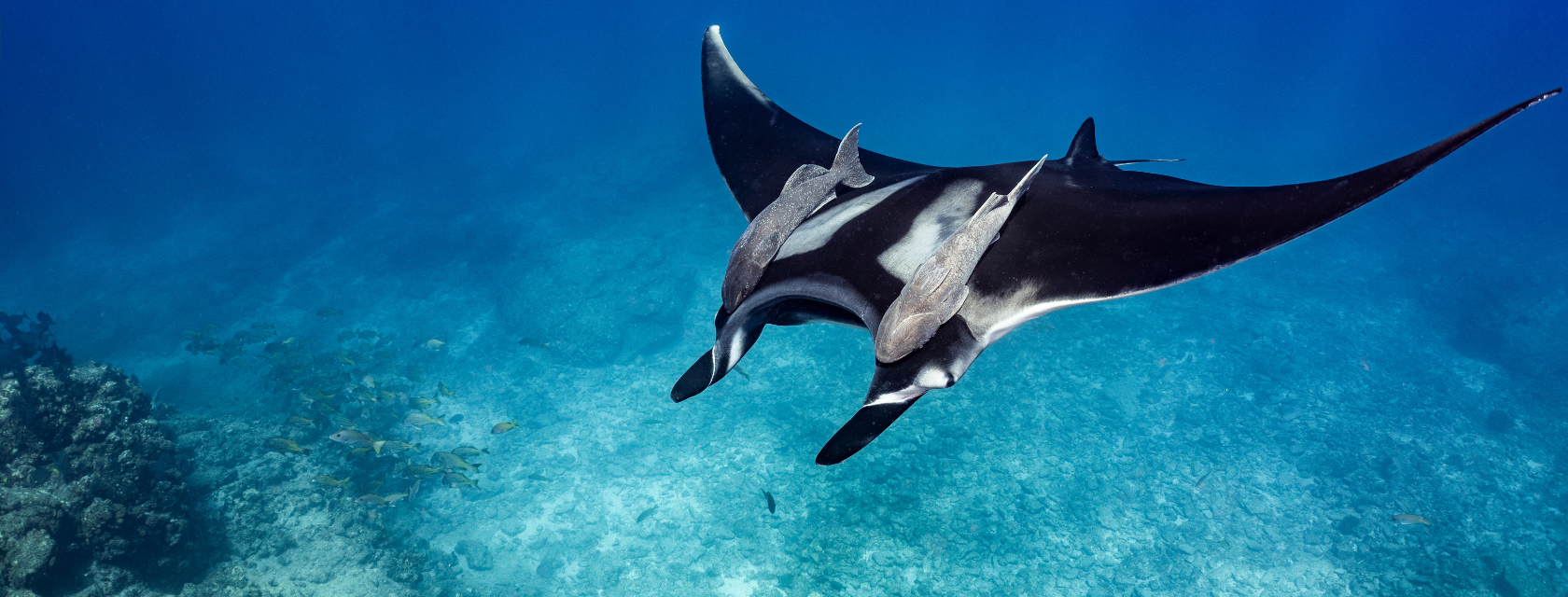
A manta ray swimming in the ocean.

Comparative Animal Physiology

  1. U of G Homepage
  2. Integrative Biology
  3. Areas of Research

The Comparative Animal Physiology group at the University of Guelph is one of the largest in Canada and offers a wide range of research interests, from genes to whole animal studies. The enthusiasm, strength and breadth of the group provide an excellent learning environment for graduate students and undergraduate researchers. The group has a strong aquatic theme with interests in both marine and freshwater organisms. These include invertebrates, such as molluscs and echinoderms, primitive fishes (lampreys, hagfish, sharks, skates and rays, lungfish), teleosts, reptiles, amphibians, and whales. A particular strength of the group is in environmental adaptation to stressors, such as temperature, salinity, hypoxia and desiccation.

State-of-the-art aquatic facilities are available in the Hagen Aqualab, allowing research on tropical, temperate and polar aquatic organisms. The experimental approaches include fluorescence spectroscopy and microscopy, functional characterization of recombinant proteins, HPLC, GC, micromechanical testing, muscle mechanics, proteomics and mass spectrometry, genomics, and respirometry. The group is located in the Science Complex, with advanced facilities for research on metabolism (CFI-funded Fish Metabolism Laboratory), proteomics, protein expression and purification, and confocal and electron microscopy.

  • Sarah Alderman
  • Nick Bernier - Fish endocrinology and physiology
  • Sherri Cox - Wildlife biology
  • Todd Gillis - Cardiac physiology and biophysics
  • Andreas Heyland - Developmental endocrinology and genomics of invertebrates
  • Frederic Laberge - Comparative neuroanatomy and physiology
  • Georgia Mason - Behavioural biology and animal welfare
  • Amy Newman
  • Andy Turko
  • Glen Van Der Kraak - Fish ecotoxicology and endocrinology
College of Biological Science logo

About

The College of Biological Science is a globally recognized academic faculty with a mission to expand the understanding of life, from DNA to cells to complex ecosystems. It produces intrepid and interdisciplinary research in a student-centred learning environment that encourages and promotes comprehensive understanding of the systems that govern life.

Departments

  • Department of Human Health Sciences
  • Department of Integrative Biology
  • Department of Molecular and Cellular Biology