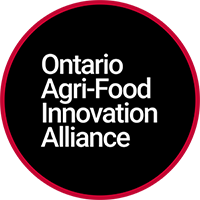
Dr. Bonnie Mallard crouches, smiling, outside the fencing and a dairy cow at the Ontario Dairy Research Centre

Bringing a Made-in-Guelph Livestock Technology to the Global Market

When University of Guelph professor Dr. Bonnie Mallard started the research that would later become a wildly successful commercial technology for livestock health, she was answering a question, not dreaming of being a patent-owner.

"I was completely naïve; I wasn't thinking that way," reflects Mallard three decades later. "We were trying to answer the question, 'can you breed for enhanced disease resistance based on knowledge of the immune system?'” 

While Mallard, then a master's student, focused on determining whether immune molecules called immunoglobulins can be inherited in dairy cows, her supervisor Dr. Ted Burnside, founding director of U of G’s Centre for Genetic Improvement of Livestock, was thinking ahead. He introduced her to the CEO of Semex®, a Guelph-based global bovine technology company. 

That was the beginning of a close relationship with Semex, the company that eventually commercialized Mallard's findings and groundbreaking high-immune response technology into Immunity+, a tool used by dairy producers in 80 countries around the world.

Published: April 27, 2026
Lead photo: Dr. Bonnie Mallard at the Ontario Dairy Research Centre, which is owned by Agricultural Research and Innovation Ontario (ARIO) and managed by U of G through the Ontario Agri-Food Innovation Alliance. 

The journey from idea to product took decades and relied on a network of funding and services to bring the multi-million-dollar idea to market. With the patent recently expired, Mallard reflects on the experience and how commercialization programs and services at U of G supported her team along the way.

Early research combines genetics and immunology

As a post-doc, Mallard continued her genetics research, this time with pigs at the Arkell Swine Research Centre (now known as the Ontario Swine Research Centre), which is owned by Agricultural Research and Innovation Ontario (ARIO) and managed by U of G through the Ontario Agri-Food Innovation Alliance. 

With immunology guidance from Dr. Bruce Wilkie in the Ontario Veterinary College, she bred pigs using a multi-trait selection index—an approach that differed from other breeders who were selecting animals based on single traits and characteristics (phenotype). By breeding many generations, Mallard confirmed that it was possible to select high, average and low immune responders using her index. 

After being hired as a U of G professor with a mandate for dairy research, she continued her research in search of a sustainable, preventative approach to improving animal health and resilience using multi-trait selection. 

Industry collaboration moves testing to the field

Growing their existing relationship, Semex undertook several years of field trials to validate Mallard's index technology in real-world applications, confirming it clearly identified animals with a stronger-than-normal immune system. 

"It became unquestionable that it worked," says Mallard, "and they were going to make advances and improvements in diseases that were important to the dairy industry, like mastitis and pneumonia. They were going to get improved colostrum quality, and they were going to get enhanced response to commercial vaccines."

While Mallard describes all these improvements as "big ones", mastitis is notable as it is the second most significant infection in dairy cows, costing $13 billion USD annually to farmers worldwide.

Semex licensed and launched the technology as HIR+ in 2012, which they continue to promote today with the message "There’s only one health index that matters."

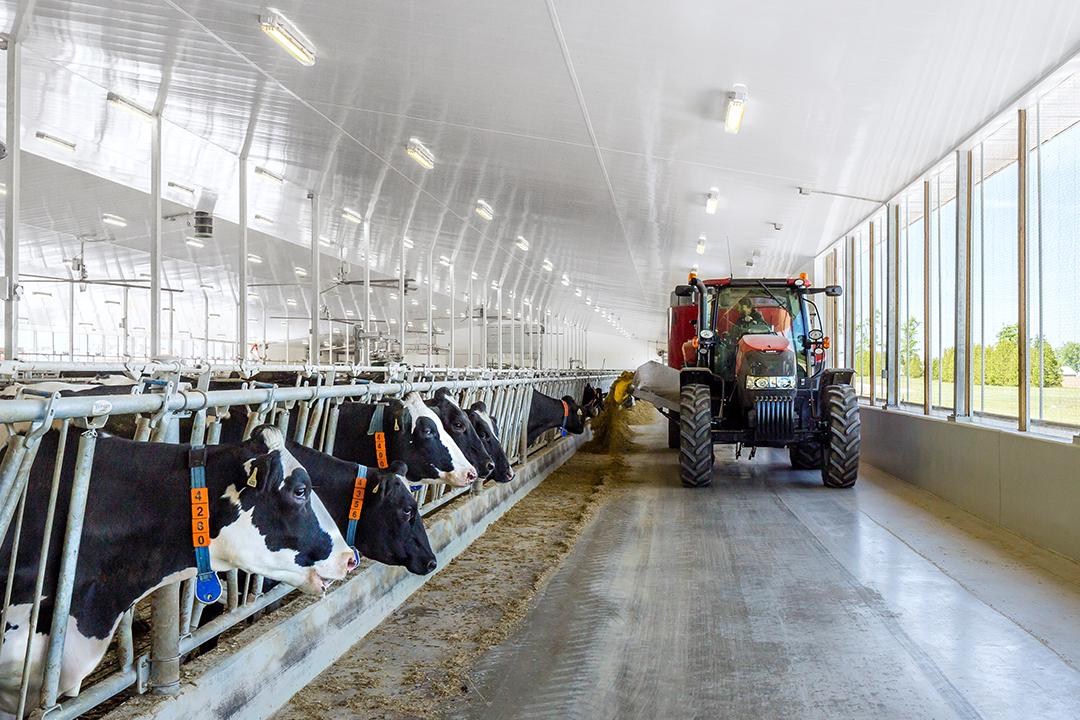
Tractor driving inside a barn with dairy cows lined up on the left

Infrastructure investment from ARIO in the Ontario Dairy Research Centre ensured an exceptional location for project trials and hands-on training that were critical components in the development and commercial success of HIR technology.

The long path from patent to product

"Back then, we were professors in the lab. We weren’t encouraged to get things commercialized," says Mallard. "Then the environment changed."

Mallard credits David Hobson at the University's business development office, now known as the Research Innovation Office (RIO), with seeing the potential of the newly developed technology. They began the commercialization process, including the work to liaise with lawyers and ensure Mallard's patent applications were worded appropriately. The first patent application for High Immune Response technology was filed in 1997, and the RIO team spent 12 years pursuing it.

"I was lucky, I already had Semex as a partner, but for others, the office would help them find the right partner," Mallard says. “Semex and I have had a close relationship and a level of trust since 1980. Nowadays, you're one of many, and you better have RIO to protect you from making mistakes or deals you don't know much about."

In a barn, Bonnie poses, smiling, with a calf which appears to be kissing her cheek

RIO offered further support to Mallard’s team as it worked towards a proof-of-concept, supporting commercially focused funding opportunities from the Ontario Ministry of Agriculture, Food and Agribusiness (OMAFA) and the Natural Sciences and Engineering Research Council of Canada (NSERC) and by working with Semex to establish a commercial license agreement.

Ontario’s dairy genetics industry sales have increased domestically and exports internationally because of this technology.

“This is exactly the kind of outcome the Ontario Agri-Food Innovation Alliance is designed to enable through its support of the Research Innovation Office,” says Jessica Bowes, assistant vice-president, research innovation and knowledge mobilization. “HIR technology demonstrates how long-term public investment, combined with strong industry partnerships, can deliver globally competitive innovations that strengthen Ontario agriculture and benefit farmers here at home and around the world.”

Partnerships and persistence: What makes commercialization successful

The research-to-commercialization process relied on a network of partners and funders, including the Alliance, Genome Canada, NSERC, Canadian Dairy Network, and Semex. 

“The HIR technology is a success story for the dairy industry, for Semex and for the University,” says Steve De Brabandere, director of technology transfer and industry liaison at RIO. “It is also a great illustration that the journey from creating an invention and filing a patent to commercialization often requires patience and persistence from the research team, funders and the intellectual property managers."
Prof. Bonnie Mallard and Lauri Wagter-Lesperance wear lab coats and gloves. They are looking up at a petri dish together.

Producers using Immunity+ technology benefit from better herd health and colostrum quality, reduced medication use and lower mortality, all while saving hundreds of dollars per animal per year. 

Hear a producer’s perspective: Building their best herd: HIR technology carries big benefits for dairy producers looking to naturally improve herd health and reduce veterinary treatment costs.

How HIR technology continues to evolve

The original research behind HIR technology has had a lasting impact. It led to a commercially successful product, helped train the next generation of researchers and earned multiple awards. 

Its success has opened doors for further innovation. Mallard is now working with the Canadian Angus Association and Hendrix Genetics to investigate the technology in beef cattle and turkeys. 

A recent study conducted by Mallard and the Semex research team and published in The Journal of Dairy Science Communications showed that when confronted with a newly emerging disease, highly pathogenic avian influenza (HPAI) H5N1, Immunity+ cows outperformed their herd mates. "We found that the Immunity+ cows had fewer treatments, and most importantly, maintain their production throughout the illness, saving hundreds of dollars per cow,” says Mallard. “This gives producers confidence that they can survive and even thrive when under threats from old and new diseases.”

Mallard and governor general David Johnston hold a small award together and smile
Woman standing in front of a dairy cow at the Royal Agricultural Winter Fair

Mallard with Semex at the Royal Agricultural Winter Fair

The power of trust, time and collaboration

Decades after navigating the commercialization process for the first time, Mallard reflects that success is all about relationships. "Today we're all so busy. There aren't the same opportunities to build relationships. Conversations, trust, relationships. It takes time," she says. "Stepping into the commercial arena, that’s another pressure on the younger professors. The more support we can get to these the folks the better."

HIR technology has been helping farmers maintain healthy, productive dairy herds for 15 years. But Mallard still sees untapped potential. “There is so much innovation on the horizon of this technology, I don’t think there is a ceiling on it anytime soon.” 

Global Impact

Research and commercialization

30
years of research
80+
countries
$130M
value of bull semen from Immunity+® lines marketed around the world by Semex in the first six years on the market

Herd health

30%
fewer instances of disease
5-20% reduction in disease
in animals bred by Immunity+ sires compared to all others

Ontario Agri-Food Innovation Alliance investment

$480K
Alliance investment
$3M
Third-party leverage from 2008 to 2019
13
Alliance-funded projects

The Ontario Agri-Food Innovation Alliance is a collaboration between the Government of Ontario and the University of Guelph. Ontario’s agri-food research centres are owned by Agricultural Research and Innovation Ontario, an agency of the Government of Ontario, and managed by U of G through the Alliance. The Alliance supports RIO innovation and commercialization activities to amplify sector impact.