The Modern Horse Owner Webinar Series Recap
Posted on May 28, 2026
The Modern Horse Owner, our recent three‑part webinar series in partnership with Equine Guelph, brought together equine science, behaviour, and welfare in a way that resonated with riders, owners, and professionals alike. Each session explored how a deeper understanding of horses can transform training, strengthen partnerships, increase informed advocacy, and elevate welfare. Whether you joined us live or are catching up now, here’s a look back at the key insights from each webinar.
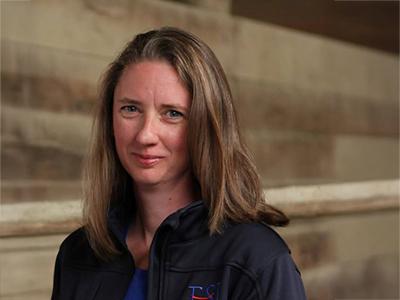
Webinar 1 - Equitation Science: Better Training & Welfare Through Behaviour
The first webinar of the series was presented by Zoë Thorbergson, one of the instructors for the Equine Behaviour course. The session opened with an exploration of equitation science, which Thorbergson described as, “the application of scientific method to assess objectively the welfare of the horse undergoing training.” She went on to emphasize that equitation science is not a training method itself, but a framework for evaluating training methods.
A major theme throughout the webinar was understanding the horse’s affective state and how it interacts with arousal levels. Horses learn best when they are calm, comfortable, and alert.
As Thorbergson noted, “When a horse is in a serious negative affective state, their ability to learn is almost non-existent.” Understanding this helps trainers recognize when a horse is mentally ready to learn and when stress, fear, or pain may be interfering.
Another key topic was the examination of the ethological needs of horses including their natural behaviours around foraging, social interaction, movement, sleep, and mental stimulation, and how modern management practices can conflict with horses’ natural behaviours. “If we don’t understand what is normal behaviour,” said Thorbergson, “we won’t be able to identify abnormal behaviours, and that can be a very serious welfare issue.”
If we don’t understand what is normal behaviour, we won’t be able to identify abnormal behaviours, and that can be a very serious welfare issue.
The session also broke down learning theory, including:
Non‑associative learning (habituation/desensitization)
Associative learning, including operant conditioning (negative/positive reinforcement) and classical conditioning
These concepts help trainers apply cues clearly and ethically, shaping behaviour in small, incremental steps. The overarching message: ethical training begins with understanding how horses learn and what they need to thrive.
Watch the Equitation Science: Better Training & Welfare Through Behaviour webinar here.
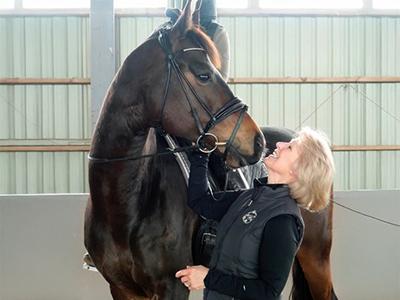
Webinar 2 - Equine Behaviour in Practice: What Your Horse Wants You to Know
The second webinar was presented by Cathy Wentworth-Stanley, Instructor of Management of the Equine Environment and Equine Behaviour. It focused on what horses need at the most fundamental level, beginning with the “Three F’s”: Friends, Forage, and Freedom, and adding a fourth F, Fortitude. “The needs that horses had over 5,000 years ago when domestication began have not changed,” shared Wentworth-Stanley.
The needs that horses had over 5,000 years ago when domestication began have not changed.
Friends
Horses are deeply social animals. “They find safety in numbers,” noted Wentworth-Stanley, and their bonds can be so strong that separation may cause distress or dangerous behaviour. Real‑world examples, including famous racehorses who travelled with companion animals to reduce stress, illustrated how essential social connection is to equine well‑being.
Forage
Horses evolved as trickleaters, eating little and often, grazing 16+ hours a day. Their digestive system and even their psychological well‑being depends on near‑constant access to forage. The webinar explained how continuous gastric acid production and the need to constantly chew make long periods without foraging opportunities a welfare risk.
Freedom
Movement goes hand-in-hand with grazing. Horses naturally travel many kilometres per day, and movement supports gut health, mental health, and physical soundness. Wentworth-Stanley emphasized that while riding provides exercise, it does not replace choice-based movement, “Freedom to make a choice is just as important as the exercise portion.”
Fortitude
The fourth F was added by Dr. Andrew McLean, one of the founding members of the International Society for Equitation Science and a leader in Equine Cognition and Learning. Fortitude covers the mental and physical resilience of horses, allowing them to handle the stresses of management and training.
The webinar also explored the horse’s brain and sensory perception. One key insight was that horses cannot reason or plan the way humans do. “A horse can’t plan revenge,” shared Wentworth-Stanley, nor can they reflect on past mistakes or imagine future outcomes, but they are very good at habit-forming and have great memory for stimuli that trigger certain behaviours and remembering companions even after being separated for many years. This understanding helps owners interpret behaviour with more compassion, through the lens of instinct rather than intention.
Watch the full Equine Behaviour in Practice: What Your Horse Wants You to Know webinar here.
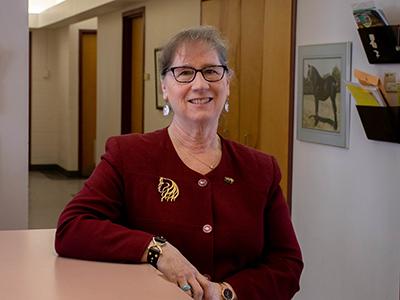
Webinar 3 - Horse Welfare in the Spotlight: A Social Licence and the Future of Horse Sport, presented by Gayle Ecker, Director, Equine Guelph
The final webinar was presented by Gayle Ecker, Director of Equine Guelph, and instructor of The Equine Industry and Equine Welfare courses. The session examined the growing public scrutiny around horse sport and the concept of social licence to operate—meaning the informal approval society grants to industries it believes act ethically, earned through ongoing trust. Ecker opened the session with a phrase, “be the human your horse needs, the person that the horse needs as their owner, as their caretaker, as their partner.”
Be the human your horse needs, the person that the horse needs as their owner, as their caretaker, as their partner.
Ecker highlighted that welfare expectations are evolving quickly and the equine industry is “under the microscope”. It is no longer enough to avoid harm. Welfare concerns, whether related to equipment, training practices, competition rules, or management, can erode public trust if not addressed proactively.
Modern frameworks such as the Five Domains Model, put forward by Dr. David Miller, focus on promoting a positive affective state: ensuring horses experience proper nutrition, physical environments, health, behaviour, and mental state through comfort, security, social connection, and opportunities for natural behaviour, among others. Ecker noted the shift toward promoting a “life worth living”.
The webinar encouraged owners, trainers, and organizations to embrace evidence-based welfare practices, communicate openly with the public, prioritize behavioural and emotional well-being, and continually reassess practices as new research emerges. "Public trust," Ecker emphasized, "depends on showing that horses’ physical, emotional, and behavioural needs are prioritized at every level of training and competition."
Watch the full Horse Welfare in the Spotlight webinar here.
Public trust depends on showing that horses’ physical, emotional, and behavioural needs are prioritized at every level of training and competition.
Moving Forward as a Modern Horse Owner
Across all three webinars, it was clear that when we understand horses better, we care for them better. From learning theory to sensory perception, from social needs to public expectations, the series highlighted how science can guide more ethical, effective, and compassionate horse ownership.
If you missed a session or want to revisit the insights, stay tuned for upcoming opportunities to continue learning and strengthening your horse-human relationship and check out our Equine Studies Online courses and programs, which cover many of these topics and more.