Spotlight on Heather - Indigenous Environmental Science and Practice Co-op Student
Meet Heather, an incredible student studying Indigenous Environmental Science and Practice Co-op who has been applying her learning to make an impact.
Heather is working as a Programs Assistant at Water First this summer.
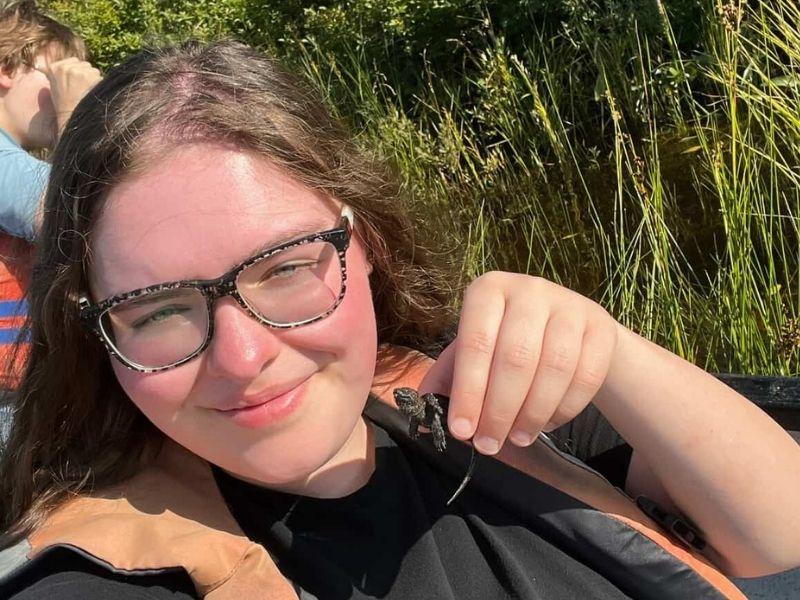

Read our Q&A with Heather below:
Why did you choose the Indigenous Environmental Science and Practice co-op program?
When I first chose this program, I didn’t fully know what to expect; I just knew I was interested in the environment and wanted to explore how I could make a difference. The Indigenous focus caught my attention because I wanted to reconnect with my identity and learn more about Indigenous sciences, knowledge systems, and ways of relating to the land. I also liked that the program offered a co-op option, since I learn best through hands-on experience and knew that would help me figure out what kind of work I want to do in the future.
Can you tell us a bit about your work this summer at Water First?
This summer, I’ve been working with the Instructional Design and Development team at Water First, supporting the creation of training materials for a water monitoring internship program. I collaborate with other team members to design learner-centered resources that reflect Indigenous pedagogies and prioritize accessibility. I’ve learned a lot about adult learning principles, e-learning tools, and the importance of culturally relevant curriculum development. I especially enjoy how collaborative the work is; I get to apply what I’ve learned in class about Indigenous approaches to education, while building skills I’ll carry into future community-based work.
Do you find this role has meaningful opportunities for you to apply the teachings in your program that are grounded in Indigenous methodologies and world views?
Absolutely! This role encourages me to think beyond Western models of education and integrate Indigenous world views into our learning materials; not as an afterthought, but as a foundation. I’ve seen how Indigenous worldviews are built into our approach- from ensuring content is culturally relevant to focusing on learning that reflects Indigenous values and perspectives.
How is this experience informing how you think about your future education and career?
This experience is confirming that I want to use my future degree to support Indigenous communities in any way I can, especially when it comes to environmental issues. Working with Water First has shown me how important community-led, culturally grounded work is, and how much of a difference it can make. It’s helped me see that I want to keep building the skills and knowledge that will allow me to contribute meaningfully, whether that’s through water monitoring, education, or environmental policy rooted in Indigenous perspectives.
Learn more about Indigenous Environmental Science and Practice Co-op.