Spotlight on Laura - Indigenous Environmental Science and Practice Co-op Student
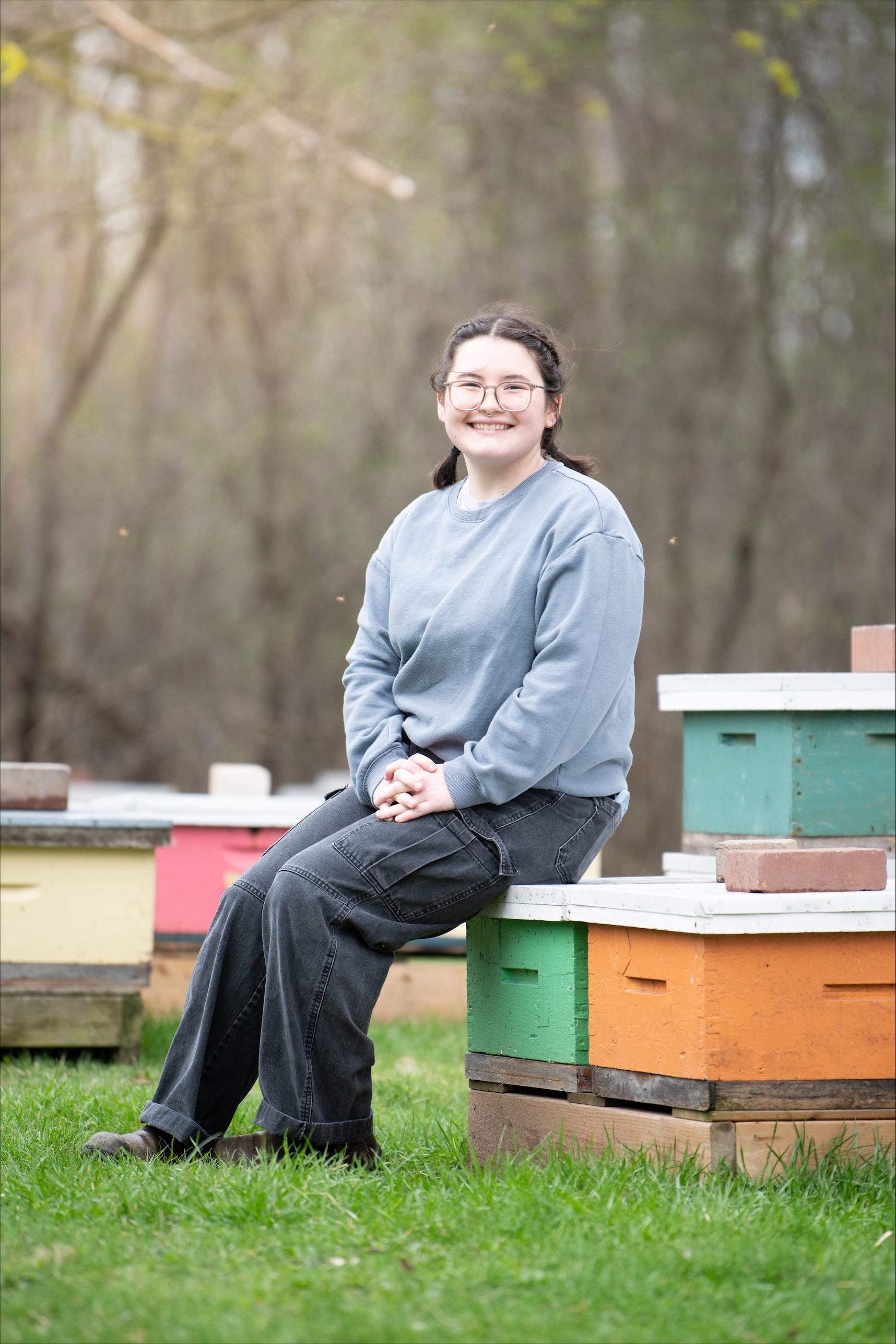
Meet Laura, an incredible student studying Indigenous Environmental Science and Practice Co-op who has been applying her learning to make an impact.
Laura's currently working at the Honeybee Research Centre and worked last summer as a Junior Environmental Policy Analyst with the Indigenous Community-Based Climate Monitoring Program.
Read our Q&A with Laura below:
Why did you choose this program?
I chose the BIESP program because the program combines two of the things I value the most: the environment and having equitable exchange between knowledge systems. As a Métis woman, Indigenous knowledge has always been a central part of my identity. The program focuses on creating a more holistic view of how we can approach environmental issues, which is something I am particularly interested in when it comes to the conservation of the earth's ecosystems.
Can you tell us a bit about your work this summer researching Varroa destructor monitoring?
I was hired as a research assistant but truthfully do a whole lot more than research. These tasks include packaging hive products, working hands-on with the hives, and helping in research. What I really enjoy about this role is how hands-on it is. There’s something incredibly rewarding about working directly with the bees and being part of a project that has such a huge impact on agricultural health and biodiversity. Plus, I’m learning so much about bee biology and behaviour, and how it is impacted by different pests and diseases.
Can you tell us a bit about your work last summer?
Last summer, I worked as a Junior Environmental Policy Analyst with the Indigenous Community-Based Climate Monitoring Program. My role focused on supporting Indigenous communities in designing and implementing climate monitoring initiatives that reflect their unique priorities, knowledge systems, and environmental concerns. I contributed to policy research, helped review funding proposals, and assisted with the development of program materials aimed at improving accessibility and understanding of climate monitoring tools.
What did you learn about yourself and your chosen path during these experiences? How are they informing how you think about your future education and career?
I went into the co-op program knowing that I wanted a wide range of experiences through my work term. My two work terms have been very different from one another yet have both taught me what I value in a workplace. Working at the HBRC reaffirmed my need for a career that is fieldwork-based, where I can engage directly with the environment and see the tangible outcomes of my efforts. In contrast, my role as a policy analyst showed me the value of community-based and grassroots projects, where collaboration and local knowledge drive meaningful change. These experiences have helped me clarify that I am most fulfilled in roles that combine hands-on work with community engagement and where I can contribute to solutions that are both practical and locally informed.
Would you like to share a piece of advice for anyone considering this program?
My one piece of advice for anyone who is interested in the program is to keep an open mind and to take risks. There are so many unexpected opportunities within the program, and you might end up doing work you never thought you’d be involved in.
Learn more about Indigenous Environmental Science and Practice Co-op.