Alex Moskaluk
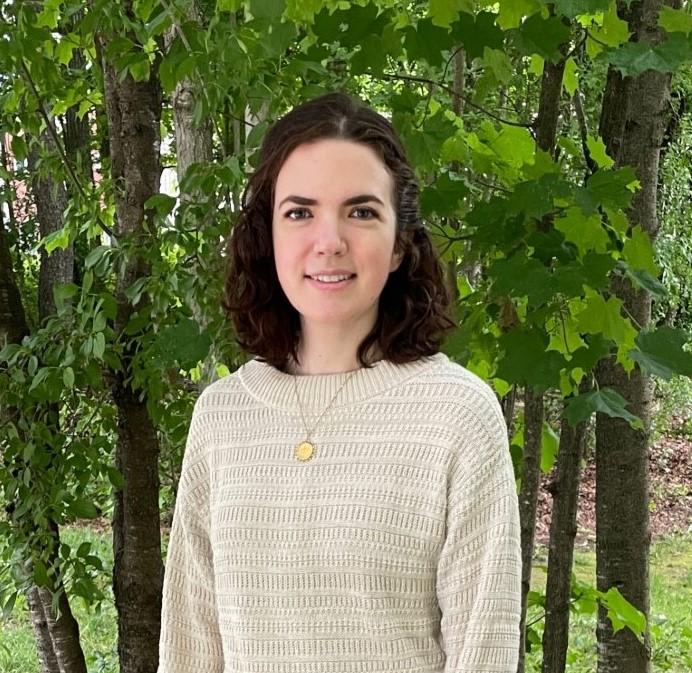
Assistant Professor
Ontario Veterinary College, One Health Institute, Department of Pathobiology
Research Profile
- Antifungal resistance
- Zoonotic fungal infections
- Fungal pathogenesis
- Development of novel clinical diagnostic assays
- Shelter medicine
Current Graduate Students
- Lishita Rowjee - MSc
Sharon Katz - MBS
Former Graduate Students
- Brianna Heese - MSc
Selected Publications
1. Moskaluk AE, Darlington L, Kunh S, VandeWoude S. “Subtilisin 3 Production from Microsporum canis is independent of keratin substrate availability”. Journal of Basic Microbiology. 2024 Jan. 1-10. doi: 10.1002/jobm.202300125
2. Mayer T, Moskaluk AE, Kolby J, Russell M, Schaffer P, Fagre A. “First record of Veronaea botryosa in a North American anuran causing phaeohyphomycosis in captive White’s tree frogs (Litoria caerulea)”. Medical Mycology Case Reports. 2022 Sept. 38:13-17. doi: 10.1016/j.mmcr.2022.09.002
3. Moskaluk AE, VandeWoude S. “Current Topics in Dermatophyte Classification and Clinical Diagnosis.” Pathogens. 2022 Aug. 11(9):957. doi: 10.3390/pathogens11090957 **Cover issue**
4. Moskaluk A, Darlington L, Kuhn S, Behzadi E, Gagne R, Kozakiewicz C, VandeWoude S. “Genetic characterization of Microsporum canis clinical isolates in the United States.” Journal of Fungi. 2022 Jun. 8(7):676. doi: 10.3390/jof8070676.
5. Moskaluk A, VandeWoude S. “Two novel species of Arthroderma isolated from domestic cats with dermatophytosis in the United States.” Medical Mycology. 2022 Jan. 60(2): myac001. doi: 10.1093/mmy/myac001
6. Allison C, Moskaluk A, VandeWoude S, Reynolds MM. “Detection of glucosamine as a marker for Aspergillus niger: a potential screening method for fungal infections.” Analytical and bioanalytical chemistry. 2021 Feb. 413:2933-2941. doi: 10.1007/s00216-021-03225-7.
For an up-to-date listing of publications, please visit Dr. Moskaluk’s Google Scholar page.