Master of Science in Biomedical Sciences
Degree
- MSc (Master of Science)
Program Type
- Thesis
Delivery
- On-campus
Entry Terms & Deadlines
Domestic:
- Fall (September): July 1
- Winter (January): November 1
- Summer (May): March 1
International:
- Fall (September): March 1
- Winter (January): July 1
- Summer (May): November 1
Duration
- Full Time: 12 months
- Part Time: 48 months
Training the Next Generation of Biomedical Researchers and Innovators
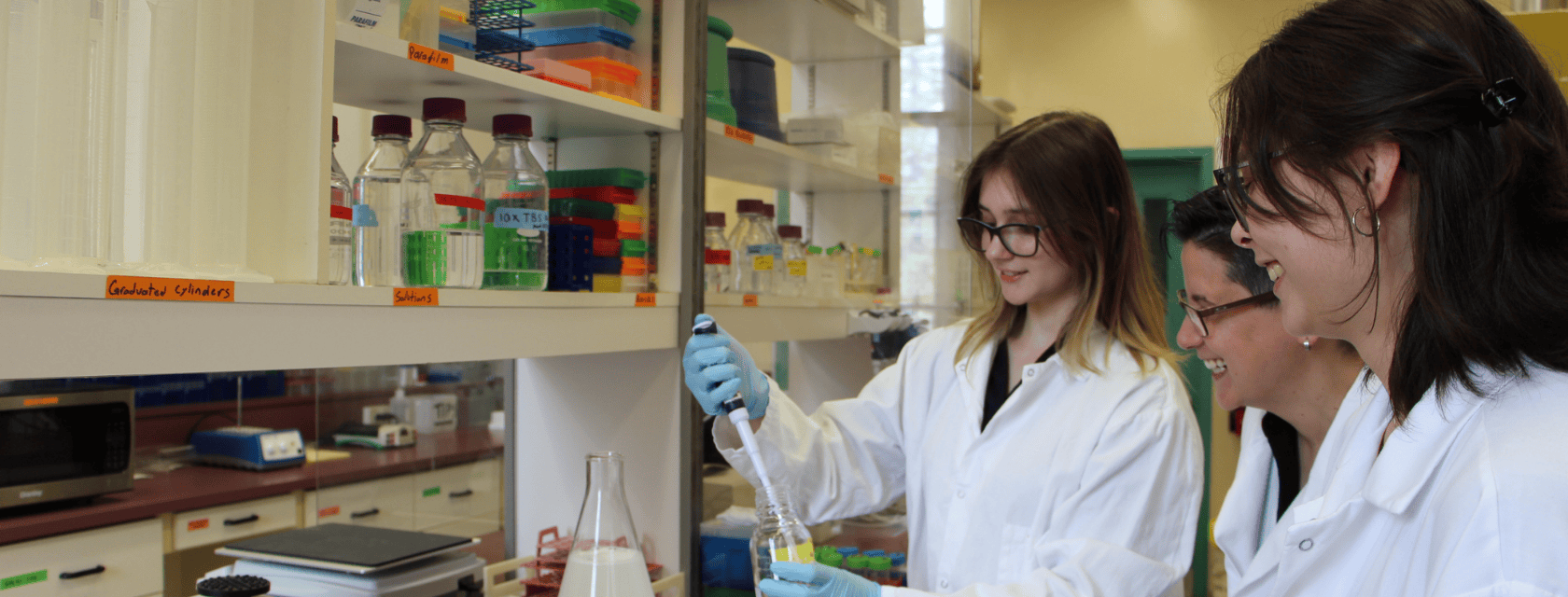
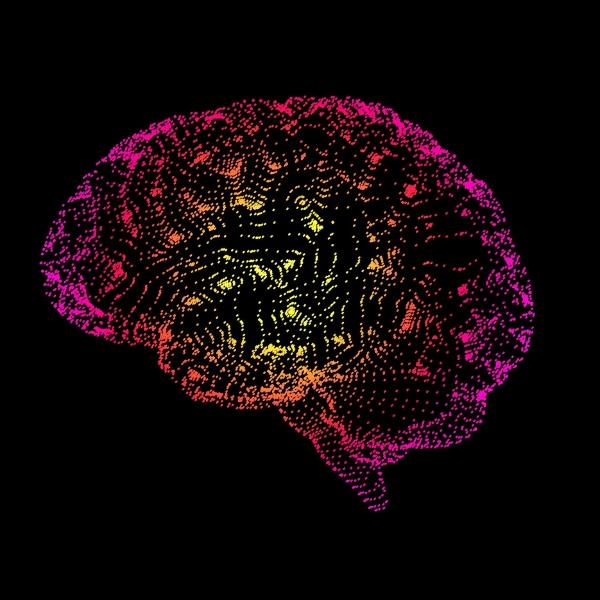
The Master of Science (M.Sc.) in Biomedical Sciences is an in-person, research-focused graduate program that offers students the opportunity to explore a wide range of topics in human and animal health. Students may pursue an M.Sc. in Biomedical Sciences with an emphasis on: reproductive biology; developmental, cellular and molecular basis of health and disease; cancer biology; cardiovascular physiology; stem cell biology and regenerative medicine; biomedical toxicology and pharmacology; or neuroscience.
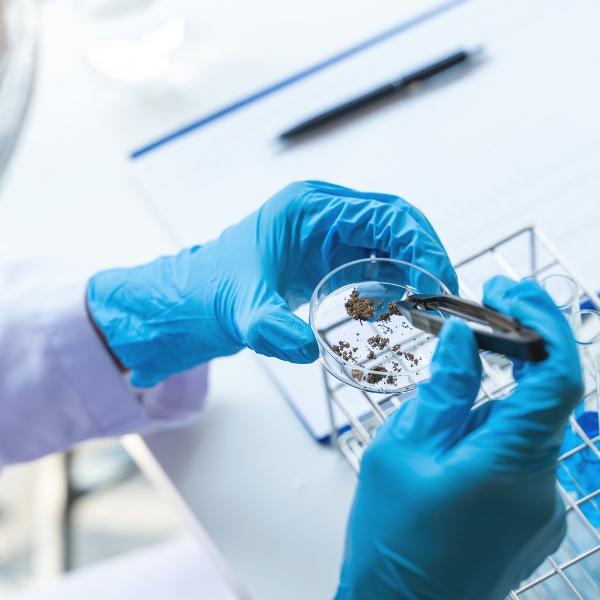
Thesis research projects are available across diverse fields and may include molecular, cellular or developmental aspects of tissue or animal differentiation and growth; physiological, morphological or biomechanical investigations of normal function or disease processes in a variety of organs and tissues; or pharmacological mechanisms related to therapy and drug toxicology.
Students can also choose to complete their M.Sc. in Biomedical Sciences with a Collaborative Specialization in One Health, Neuroscience, Regenerative Medicine or Toxicology.
Graduates are equipped with advanced scientific knowledge and hands-on experience that prepare them for further academic study, professional schools, research roles in government or industry and careers in the health sciences.
- Research-Intensive Learning Environment
- Students complete original research under the guidance of experienced faculty, culminating in a thesis and oral defense. They also gain valuable experience presenting their work at scientific conferences and departmental seminars.
- Training Across Biomedical Disciplines
- Students focus their studies in areas such as reproductive biology, neuroscience, regenerative medicine, pharmacology and more—building strong foundational knowledge while developing hands-on research skills in the lab.
- Unique Access to Veterinary Clinical Research
- As one of the few biomedical MSc programs housed within a veterinary college, students benefit from interdisciplinary opportunities and access to veterinary research environments not typically available in similar programs.
- Collaborative Specializations Enhance Career Pathways
- Students can tailor their education by joining one of four interdisciplinary specializations: One Health, Toxicology, Neuroscience, or Regenerative Medicine—opening doors to academic, clinical or industry careers.
Program Overview
Program Start: Fall, Winter or Summer semester
Domestic Application Deadlines: Fall—July 1; Winter—November 1; Summer—March 1. Applications must be in by 11:59 p.m. EST.
International Application Deadlines: Fall—March 1; Winter—July 1; Summer—November 1. Applications must be in by 11:59 p.m. EST.
Format: In-person
Admission and Program Requirements
How to Secure a Faculty Advisor
Students in the M.Sc. in Biomedical Sciences complete their program under the guidance of a faculty advisor. Prospective applicants are encouraged to contact potential advisors in advance. While students may apply before securing supervision, admission is contingent on confirming a faculty advisor from the Department of Biomedical Sciences. Access the faculty list to become familiar with their fields of study and for their contact information.
When contacting faculty members, applicants are advised to include a current CV (resume), transcript, and a Statement of Interest (a one-page letter outlining academic interests and career goals that motivate the pursuit of graduate studies). Early contact is recommended, as developing an initial expression of interest into a defined plan of study may take time.
Applicants should discuss the following items with prospective advisors: the nature of the project, in-person expectations, and elective courses.
Collaborative Specializations

Testimonials

The MSc in Biomedical Sciences was an enriching experience that shaped me into a thoughtful and well-rounded scientist, ready for the next chapter. The growth-oriented environment fostered by incredible mentors and opportunities, like presenting at international conferences such as AACR, helped me build confidence and develop as a researcher.

I was drawn to the strong sense of community here at U of G and the program’s emphasis on balancing academic excellence and personal well-being. This program builds strong, transferable skills in research, communication, and critical thinking, making it a perfect foundation for veterinary, medical, or other science-based career paths.

The supportive and collaborative environment with outstanding mentors and the diversity of research specializations allowed me to pursue an area I was truly passionate about—examining the effects of plasticizers on fertility. Managing a research project, presenting at conferences and the supportive community environment have helped strengthen my critical thinking, problem-solving and communication skills.