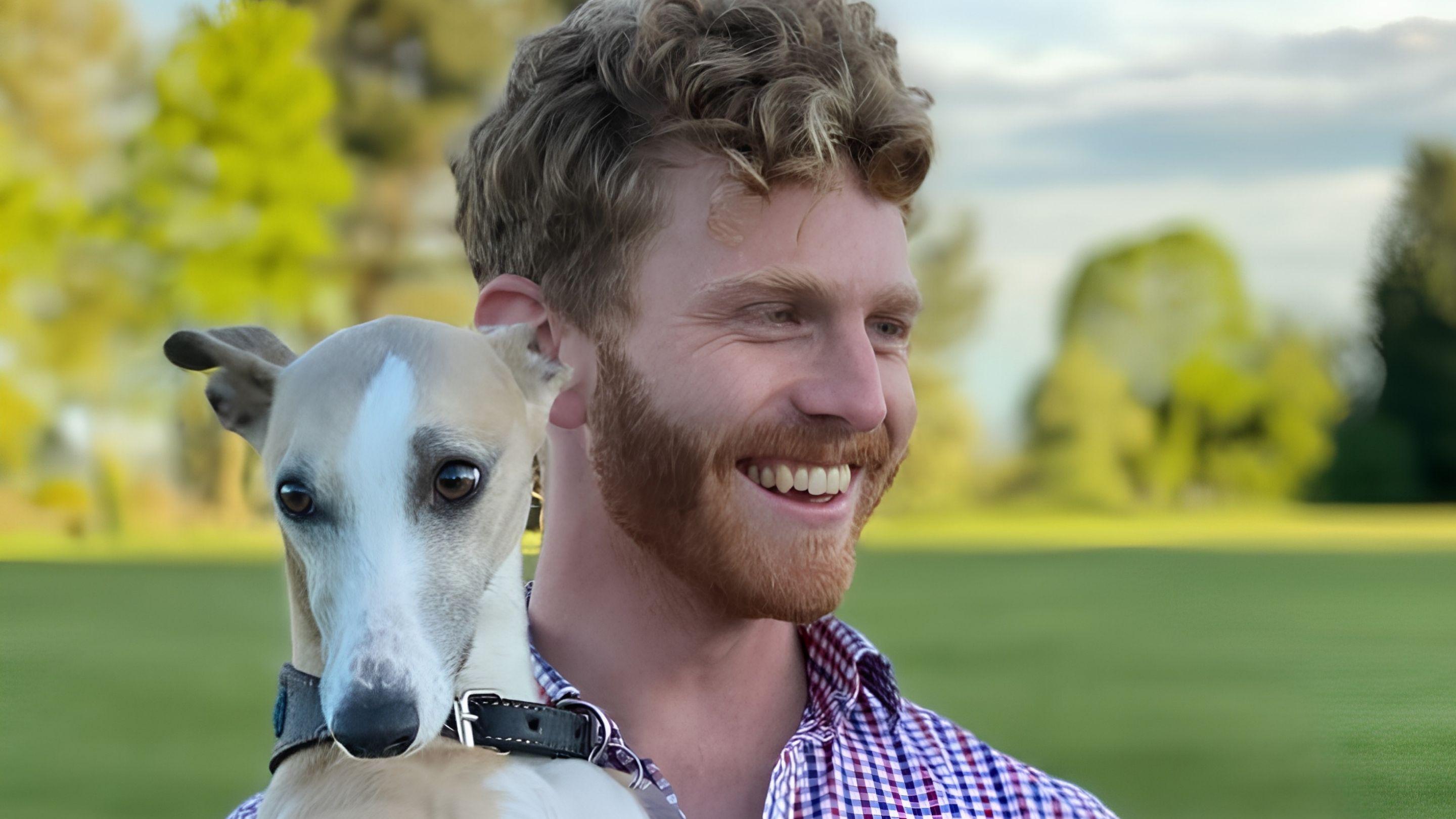
Long before he was teaching veterinary students at the Ontario Veterinary College (OVC), Dr. Ben Curnow was a young horse enthusiast growing up in the United Kingdom, where ponies were part of everyday life, thanks to his family's farming and horse-training roots.
Today, Curnow brings that lifelong connection to horses, along with years of clinical experience and a passion for mentorship, to his role as Assistant Professor in OVC's Department of Clinical Studies.
Joining OVC in October 2025, Curnow arrived with a clear purpose. While he loved life as an equine veterinarian, he discovered an equally rewarding calling in helping future veterinarians build the confidence and clinical skills needed to thrive in practice.
"I wanted to be the person that I didn't necessarily have as a professor when I was at university," he says.

Throughout his clinical career, Curnow worked closely with veterinary students, often bringing them along on calls as he travelled in his truck from farm to farm, caring for horses. Those experiences reinforced his belief that veterinary education is most effective when students can connect classroom learning to the realities of practice.
For Curnow, veterinary medicine is ultimately about problem solving. He remembers moments early in his own career when he felt unprepared for situations he encountered in practice—experiences that shaped the educator he has become today.
"My goal is for students to leave feeling confident enough to have a go," he says. "They might not know everything, but they should feel prepared to approach a problem, make a plan, and know where to find support when they need it."
They may also find themselves picking up the occasional British expression along the way.
Curnow’s practical, student-centred approach was one of the reasons OVC appealed to him.
"OVC has an outstanding reputation and gives students exposure to remarkable clinical cases," says Curnow. "What excited me was the opportunity to help connect that experience to what graduates will be doing on day one in practice."
Since arriving at OVC, he has been particularly impressed by the College's collaborative culture and its emphasis on developing the communication skills that help veterinarians build trust with clients, colleagues, and communities.
His passion for horses continues to shape both his teaching and clinical interests. Horses have been part of his life for as long as he can remember, and he has witnessed a significant shift in how many people view them. Increasingly, horses are seen not only as athletes or working animals, but as beloved members of the family.
"I've always wanted to work with horses that mean a lot to people," he says.
That evolution has reinforced the importance of understanding both the medical needs of the animal and the deep emotional connections owners have with them.
Alongside his teaching responsibilities, Curnow is building a research program focused on advancing veterinary education and equine clinical practice regarding the treatment of wounds in horses. He is currently recruiting a master's student for a project exploring how equine veterinarians across Canada approach wound care with the goal of helping inform future training and clinical decision-making.
He is also involved in developing innovative teaching models that allow students to practise equine dentistry skills before working with live animals, creating valuable hands-on learning opportunities while supporting animal welfare.
Looking ahead, Curnow believes veterinary medicine will continue to evolve alongside advances in technology and artificial intelligence, changing client expectations, and new approaches to care. But his goal will remain the same: to help future veterinarians build the confidence, practical skills, and problem-solving mindset they need to succeed.
As long as Curnow can help students feel a little more prepared than he did when he first entered practice, he knows he is making a difference.