
Provincial and national data systems often group rural and small-town communities into broad geographic regions. These statistics can often hide important differences between neighbouring communities and make local needs harder to see.
Through a new community-based initiative, U of G professor Dr. Leith Deacon is making rural communities more visible through a new research initiative.
Deacon’s Health, Economy, and Adaptation in Rural Communities (HEAR) Initiative is gathering detailed, community-level information about the experiences of rural, small-town and northern communities across Ontario. By asking residents directly about the issues that affect their lives, Deacon and his team are working to create a clearer picture of what rural communities need and what matters most to the people who live there.
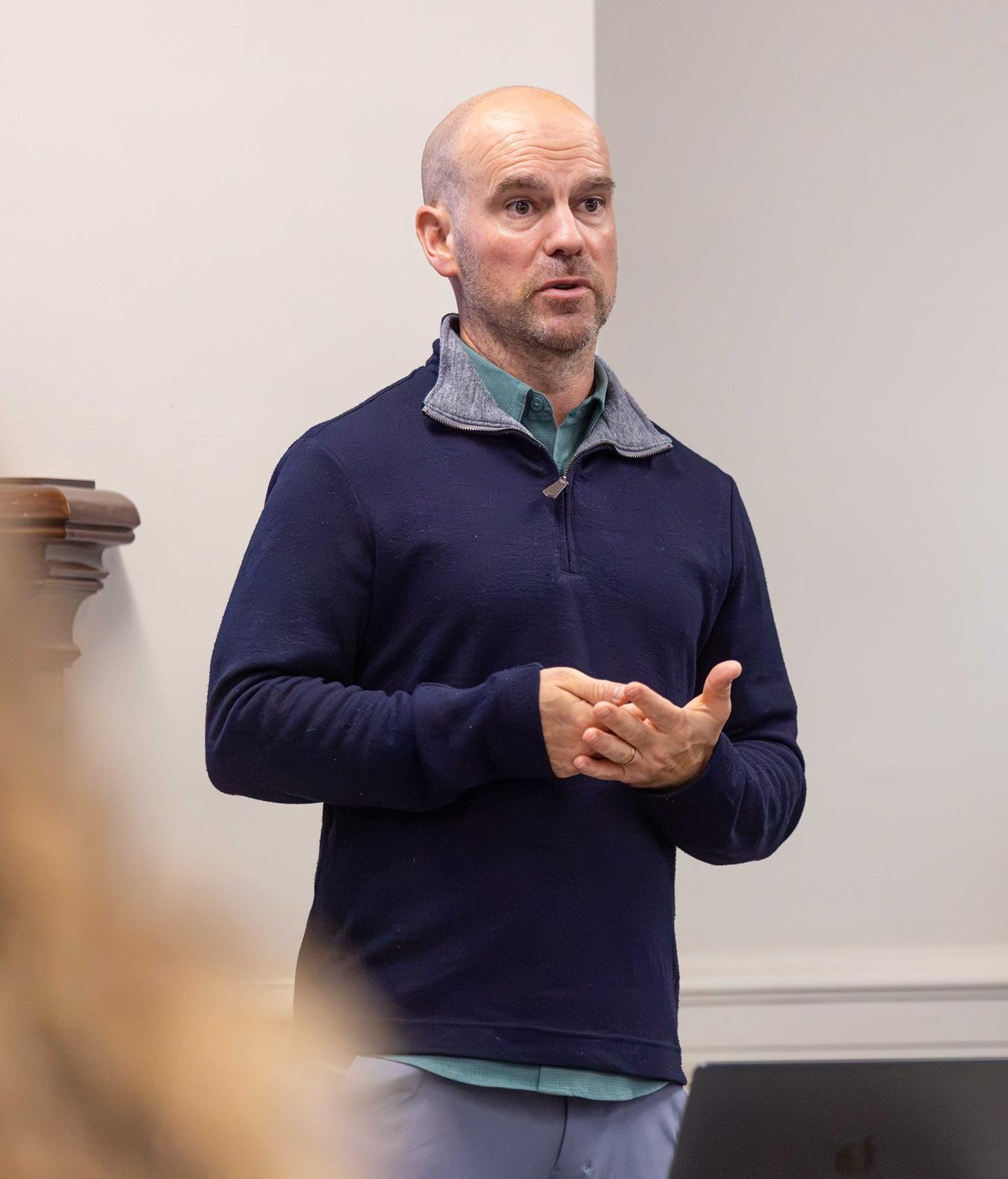
“Rural communities can become statistically invisible. When the data isn’t there, it’s harder to demonstrate need, which means fewer resources and less policy attention. This cycle tends to reinforce itself,” says Deacon, McCall MacBain Research Chair in Resilient Rural Communities and Associate Professor in Rural Planning and Development.
Listening to rural Ontario communities
HEAR is conducting surveys focused on three interconnected themes: health, economics and climate adaptation, giving Deacon’s team a broader picture of communities and a closer look at individual experiences.
HEAR will also combine existing rural community data (ex. water and soil quality, invasive species, land use, infrastructure, etc) with new data through the surveys, providing a more complete picture of community health.
“We want to understand the whole community,” says Deacon. “The survey tells us what people are experiencing, but we can then look at what else is happening in that same place — environmentally, economically and socially. Bringing those pieces together gives us a much richer understanding of what is happening and why.”
The data will also be accessible to the residents and policy-makers of those communities. Using interactive maps, dashboards and other visual tools will allow communities to visualize patterns, compare communities and see how conditions change over the six years of the initiative.
“What makes HEAR different from many existing surveys is that it’s built specifically for rural contexts, rather than adapting tools designed for urban populations,” says Deacon. “It recognizes that rural experiences are distinct and need to be measured in ways that actually reflect those realities.”
HEAR aims to reach about 20 per cent of rural and remote households across Ontario, representing roughly 280,000 homes.
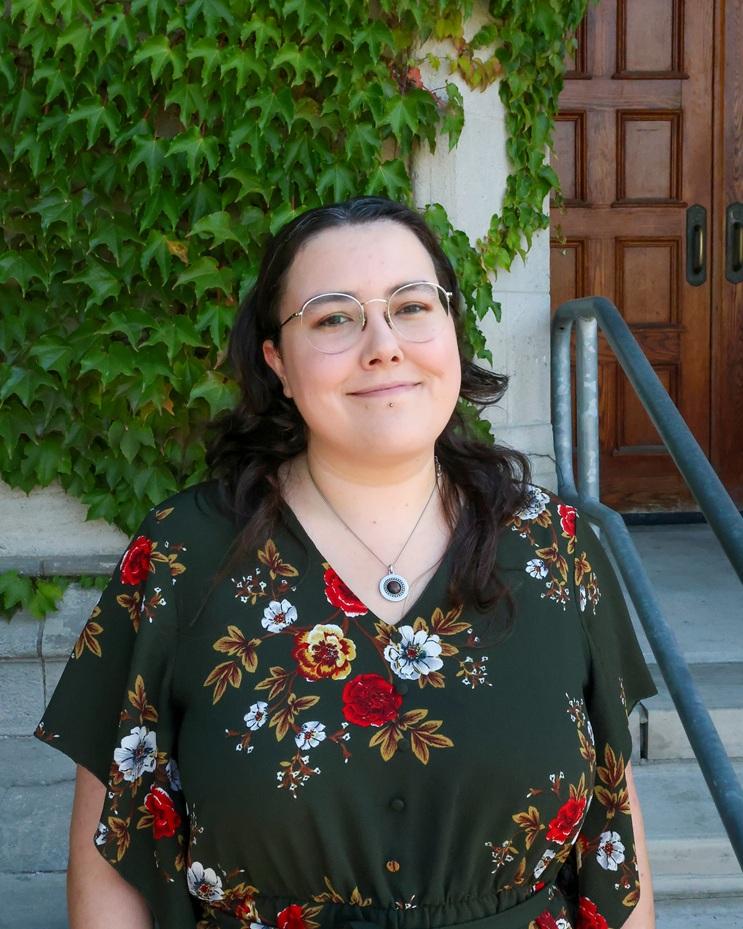
The initiative will involve graduate students and post-doctoral researchers in collecting and interpreting the data, while also building the next generation of rural research expertise.
"Coming from a rural Ontario community, I know that rural places are often treated as though they share a single experience,” says PhD in Rural Studies student Daniel Layden. “The HEAR Initiative allows us to hear directly from residents across the province and recognizes the important differences between communities. Listening to these perspectives is essential to developing policies and plans that are grounded in how people actually experience rural life."
An advisory committee made up of representatives from public health, development agencies, environmental organizations and non-profits from across Ontario will help guide the work.
“It creates a sense of shared ownership,” says Deacon. “The data is being developed with them, which makes it far more meaningful and actionable.”
From data to taking action
Access to housing, health care, child care, transportation, broadband and a skilled workforce can all influence whether people can live and work in rural Ontario.
Bringing these different sources of information together could help explain why neighbouring rural communities sometimes experience very different outcomes. Why is one community able to attract and retain workers while another struggles? How do housing, health care, infrastructure and environmental conditions affect the people, farms and businesses in a community? HEAR is designed to help communities begin answering those kinds of questions.
“The result will be a detailed, unique picture of what rural communities look like today, and how they are changing over time,” says Deacon.
The initiative is supported through funding from the Ontario Agri-Food Innovation Alliance, a collaboration between the Government of Ontario and U of G, with a $1.65-million gift from the McCall MacBain Foundation supporting the work.
“Our efforts will hopefully contribute to more resilient communities that are better equipped to respond to challenges, whether that’s a public health crisis, economic shifts, or long-term development planning,” says Deacon.
OAC's NextGen Newsletter
Highlighting the people and innovation making an impact across the agri-food sector.