  • Why Live in Residence?
  • Apply to Residence
  • Residence Fees and Deposits
  • Residence Tours
  • Frequently Asked Questions
  • Explore All Communities
  • Compare Communities
  • Residence Learning Communities
  • Gender Inclusive Housing
  • The Residence Experience
  • Academic Support
  • Jobs and Leadership Opportunities
  • Forms, Policies and Conduct
  • Health and Safety
  • Services in Residence
  • Important Dates
  • Residence Contract
  • Accessibility Requests
  • Move Out Guide
  • Move In Guide
  • Winter Holiday Break
Contact Us
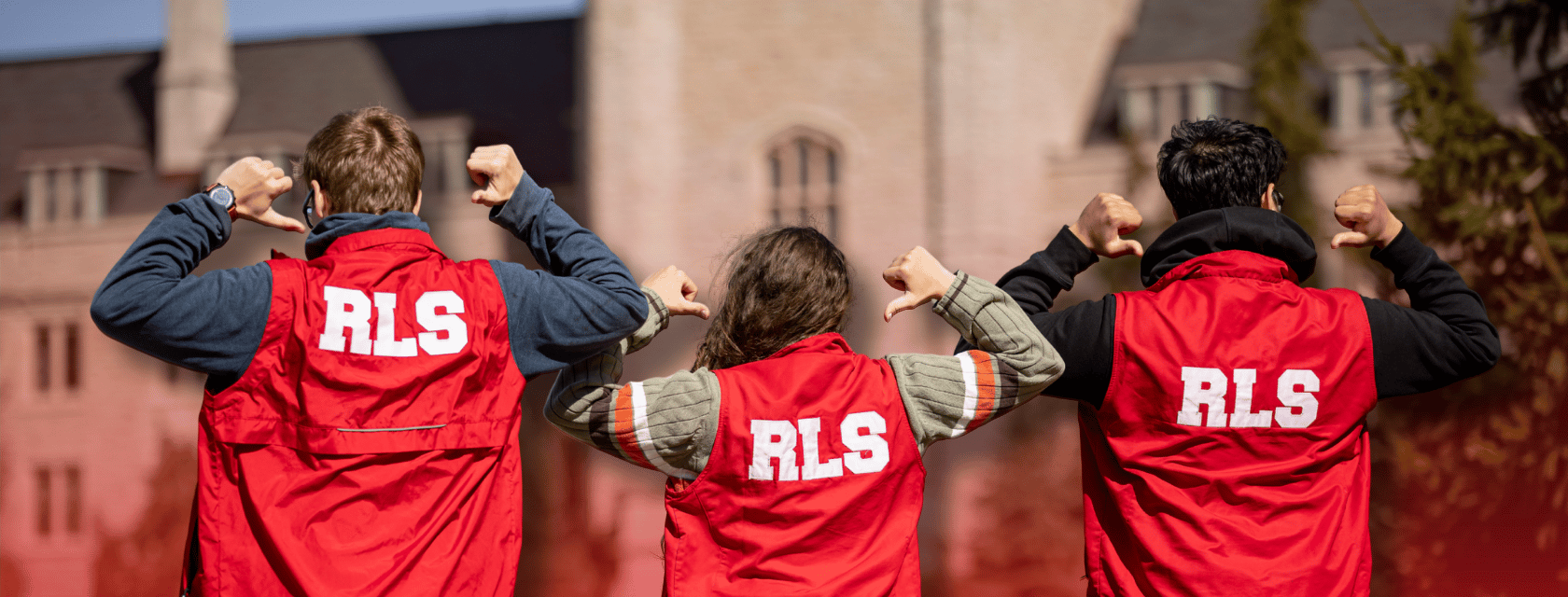
RLS staff

Forms, Policies and Conduct

  1. U of G Homepage
  2. Student Housing Services
  3. Residence Life

Jump to a section:

  • Forms & Conduct
  • Policies & Procedures
  • Restorative Approach
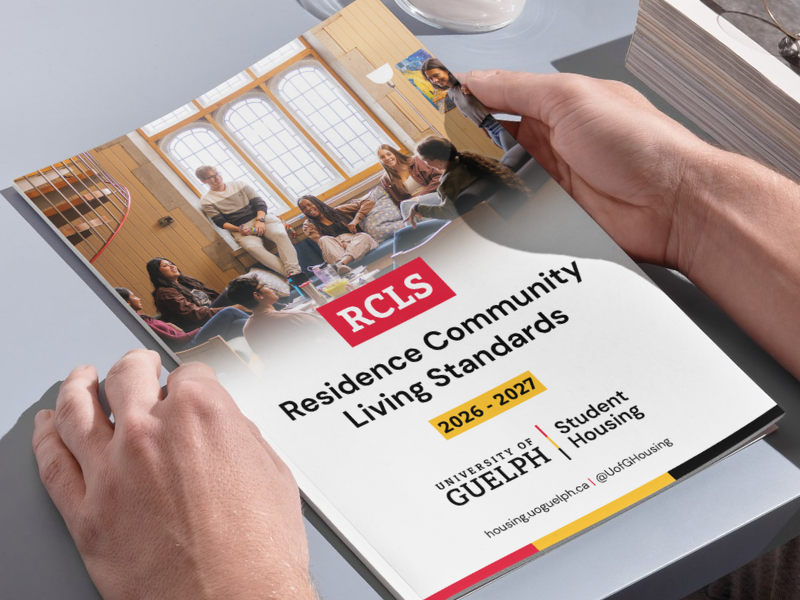
  • Residence Community Living Standards

Forms & Conduct

If you have been assigned an outcome from a Community Assistant, or member of the Residence Life Management Team, the letter you were given should have the title of assignment(s) from the list below, including the due date to submit by.

If you have questions or require an alternative format of any of the outcomes or forms below please contact the Community Standards Assistant, please connect with the Community Standards Assistant at communitystandards@uoguelph.ca.

  • Apology Letter
  • Cooperation with Staff
  • Everybody Does It
  • Fire Safety
  • Guests: Gaining Perspective
  • Letter to My Future Self
  • Impact Reflection Paper
  • In Person Apology
  • Meeting with the Campus Partner
  • Smart Goals Assignment
  • Steps to Making Choices
  • The Costs of Vandalism
  • Responsible Hosting
  • Residence Community Living Standards Quiz

Seminars: We also offer several seminars that focus on Alcohol, Cannabis, Decision Making, and Conflict. Each seminar is led by our Seminar Facilitator and are approximately 50 minutes in length. Seminars take place at a variety of times throughout each week.

If you have been asked to sign up for a Seminar, please e-mail communitystandards@uoguelph.ca for more information.

Policies & Procedures

  • Alcohol Policy
  • Illegal Drug and Substance Policy
  • Advertising & Poster Policy
  • Privacy Policy
  • Emergency Evacuation Procedure- General
  • Cannabis Policy
  • Guest Policy
  • Acceptable Use Policy (AUP)
  • Diversity and Human Rights Policy
  • ResNet Computing Agreement
  • Sexual and Gender Based Violence Policy
  • Student Rights & Responsibilities Policy
  • Fire Safety
  • Smoke-Free U of G Policy: As of May 31, 2019, the University of Guelph is a Tobacco and Smoke-Free Campus.
  • Policy on Non-Academic Misconduct

Restorative Approach

The idea of a restorative approach is to “make things right.” We all make mistakes, and sometimes people are harmed by our mistakes. When that happens, our primary goal is to help you learn from your experiences, to see how your behaviour affected others, and to look for ways to resolve the problems. We’ll talk to you about what happened, how others might have been harmed, and how things can be made right so your relationship with the community can be rebuilt.

Although this is our primary goal, there are times when a restorative approach may be complimented with educational and developmental strategies such as attending an educational seminar or completing an online workshop. In some situations, a more punitive approach may also be used in accordance with campus procedures.

A circle is the name for one process that can be used when there is a community concern or to response to harm. The students who were harmed or affected by an incident (or ongoing behaviours) will gather with those who were responsible and the RLS facilitators. There will be a discussion to find a resolution that works for the entire group.

Research shows that these restorative practices work well in university residences; students learn from them and are much less likely to engage in negative behaviours again afterwards. The emphasis on restoring community relationships helps because students will need to go on living, working and studying in the community.

This approach also recognizes that starting at university can be a stressful and challenging time for many students, and gives more opportunities to learn.

More information coming soon!

Residence Community Living Standards (RCLS)

The Residence Community Living Standards ensure that our residence communities are safe, secure, and welcoming. The staff in this area are dedicated to making sure students feel heard and understand our conduct system, along with the Residence Community Living Standards (RCLS).

Purpose of the RCLS

The RCLS are part of your Residence Contract and aim to enhance your overall experience in residence. They help:

  • Promote appropriate behaviours for a residence community.
  • Restore situations by repairing harm.
  • Rebuild trust and reconnect with your community.

Your Responsibilities

As a resident, you are responsible for adhering to the behavioural standards outlined by Student Housing Services. Remember:

  • The RCLS support your learning and personal wellness.
  • Ignorance, anger, alcohol, or substance use will not be accepted as excuses for unacceptable behaviour.
  • The RCLS encourage you to take responsibility for your actions to ensure everyone in residence has a safe and enjoyable experience.
Students in Johnston Hall Lounge

Residence Community Living Standards


Hello - Welcome to Residence!

Meeting new people, adjusting to university, and living with others will bring many new experiences, both fun and challenging. There are many individuals who are part of our residence communities who are here to support you and your academic success. Our Residence Life Staff are a tremendous resource to utilize.

Learning & Community

We hope these new experiences in Residence bring lots of learning. From sharing common space, living with others, understanding what a “boogie” is, how to manage your time, respecting diverse perspectives, and ultimately- what it means to be part of a community.

Our Philosophy

We know that mistakes will happen and, while we deal with serious issues in a manner appropriate to the behaviour, in most situations our goals with the conduct system are to help students:

  • Learn appropriate behaviours
  • Restore the situation by repairing harms
  • Re-connect by rebuilding trust

To learn more about our approach and Restorative philosophy, check out the Process section.

Residence offers a unique opportunity to live and learn alongside people from a variety of backgrounds and perspectives. Success in this environment requires a willingness to share space respectfully, embrace differences, and contribute positively to the community by following and promoting our Residence Community Living Standards.


Students walking outside

Connect With Us

We want to hear from you and answer any questions you may have. If we don’t know the answer, we will get one for you. For general inquiries, visit Student Housing Services in Maritime Hall (8:30 a.m. - 4:30 p.m.) or e-mail residencelife@uoguelph.ca.

For questions regarding the Residence Community Living Standards (RCLS), contact the Residence Behaviour and Wellness Manager at rbwm@uoguelph.ca.

Residence Life Managers and Residence Service Desks are located throughout our buildings.
Current hours and contact information.


The Basics

  • Cooperation with staff is expected.
  • Quiet hours begin at 1 a.m. on Friday & Saturday and 11 p.m. every other night. During O-Week, quiet hours vary.
  • Residents are responsible for the actions and behaviour of their guests.
  • Activities that compromise the safety of others, such as tampering with fire safety equipment, is taken seriously and may result in a fine and/or eviction.
  • Parties involving alcohol and/or loud music are not permitted.
  • Drinking games and activities that encourage the rapid consumption of alcohol are not permitted.
  • Alcohol and Cannabis are not permitted during O-Week. At all other times you must be of legal age to possess or use alcohol or cannabis. Please review the Alcohol Policy and Cannabis Policy.

To access the Residence Life Staff on call, contact your Residence Service Desk:

  • Call: 519-824-4120
    • North Desk | Ext. 58122
    • South Desk | Ext. 58123
    • East Desk | Ext. 58124
    • Gordon Desk | Ext. 55081
    • West Desk | Ext. 58120

In case of an emergency, contact the Campus Safety Office at 519-840-5000.


Community Members

Our community in residence includes many different folks who all work together to ensure residence is the best space it can be. You’ll learn of even more resources and support across campus when you move into Residence.
You: Each and every student is a member of our residence community by choosing to live here.

Other Students: You can expect the community you are living in to be shared by many other students. Some of these students will have similar interests and lifestyles to you while other may not.

Residence Life Staff (RLS): There are over 200 upper-year students who work and/or live in residence to help ensure your experience is the best it can be. Learn more about specific roles on our website.

Residence Life Management Team: These are the professional staff who help build community. They include Residence Life Managers in Training (RLMiTs – South Area), Residence Life Managers (RLMs – East and North Areas), Area Coordinators (ACs) and more.

Desk Services Staff: Professional staff and student employees who work in our Residence Service Desks located in Prairie Hall, Dundas Hall, L/A, Gordon Hall, and West. To access RLS on-call, report damages, or ask for help for any issue you may be having, contact your Residence Service Desk:

  • Call: 519-824-4120
    • North Desk Ext. 58122 | Open 8 a.m. until 12 a.m. (midnight)
    • South Desk Ext. 58123 | Open 8 a.m. until 12 a.m. (midnight)
    • East Desk Ext. 58124 | Open 8 a.m. until 12 a.m. (midnight)
    • Gordon Desk Ext. 55081 | Open 24 hours
    • West Desk Ext. 58120 | TBD

Facilities Staff: Custodians and trades staff work alongside you to help keep our buildings and communities safe and clean.

Interhall Council (IHC): Represent you as your Residence student government. All residence halls will have a President, Vice-President, Social Coordinator, and Public Relations Officer and host weekly hall council meetings to help bring residents together. Learn more on the IHC website.

Campus Safety Office (CSO): You may find our friendly CSO Officers walking through the halls as well. Sometimes they are there to attend to issues in the community but most of the time they just want to say hi and get to know you. If you ever encounter an emergency, contact the Campus Safety Office at 519-840-5000.

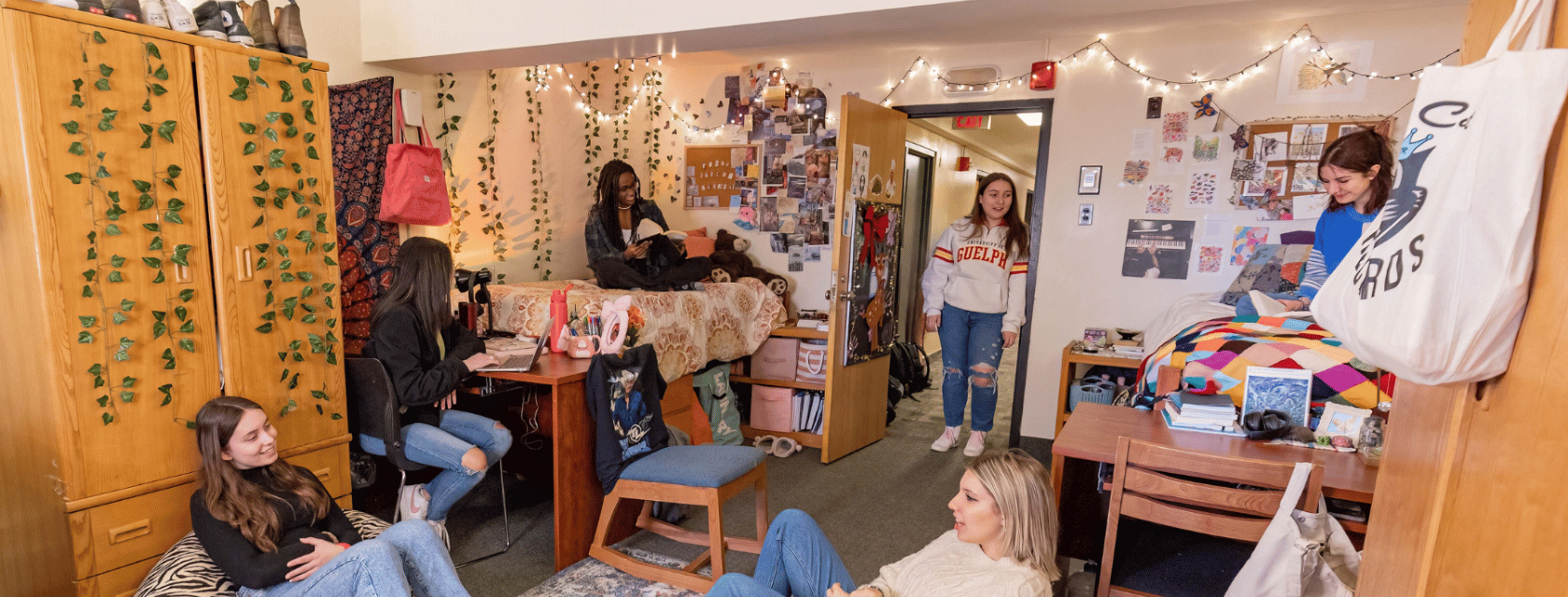
Students in a residence room

Community Living

Community living works best when the rights of others are respected and individuals take responsibility for their actions.


You have the right:

  • To an environment that is conducive to learning, wellness and academics.
  • To have your person, property and views respected.
  • To feel safe and secure in your residence community.
  • To be treated fairly and have an unbiased conduct process.

You have the responsibility:

  • Not to contribute, condone or act in a way that infringes upon another student’s rights.
  • To treat all members of the residence community with respect.
  • To act in a responsible manner that does not compromise your own safety or endanger the health and safety of others.
  • To read, understand and abide by the Residence Contract, the RCLS and the University’s Student Rights and Responsibility Policy.

As a resident, Student Housing Services requires that you:

  • Check and respond to your U of G email account regularly.
  • Follow all rules and regulations as established by Student Housing Services.
  • Follow all administrative procedures such as room checkouts and lockouts.
  • Carry your University of Guelph student identification with you.

We ask that you:

  • Work together to keep our communities safe. When things happen in the community that threaten it, help hold others accountable, or ask for help from Residence Life Staff, Desk Staff, or Campus Safety Office.
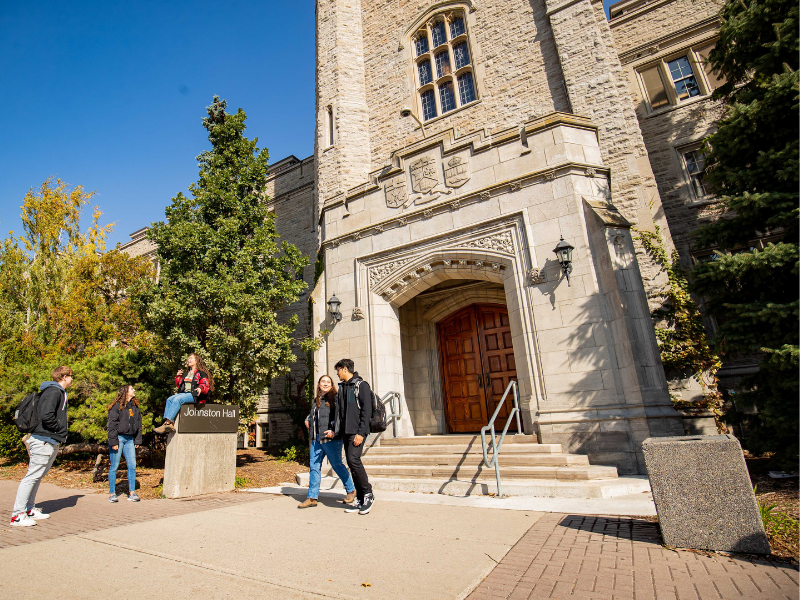
Students outside of Johnston Hall

Conflict

When living with new individuals and sharing spaces in residence, it is important to acknowledge that you may experience conflict with others in the community. Students are expected to be honest with each other, share expectations, think about possible impacts that their actions may have on others, and take initiative to resolve their own conflicts.

Our Residence Life Staff and Management Team will assist when needed to resolve conflicts within our communities. Learn more about how to approach conflict in residence.


Introduction to Our Community Standards

As a resident, it is your responsibility to comply with the behavioural standards outlined.

Our Residence Community Living Standards (RCLS) exist to support your learning and overall personal wellness. Ignorance, anger, or substance use will not be accepted as an excuse for unacceptable behaviour. The RCLS also encourages you to take responsibility for your actions to ensure that everyone in residence has a safe and enjoyable experience.

Behaviour that does not comply with our RCLS will typically be followed up by the Residence Life Staff (RLS). The RLS will identify any problematic behaviour and will take steps to resolve or document the incident. Additional information on how we address and resolve behaviour that does not comply with the RCLS is outlined in the Process section. Depending on the situation that occurs, we may consult or refer to other departments and policies on campus including Diversity and Human Rights, the Campus Safety Office, Student Support and Response Team, or the Office of Student Accountability.

All residents must abide by all Federal, Provincial, and Municipal laws as well as University policies and regulations. This includes the Diversity and Human Rights Policy and Sexual and Gender Based Violence Policy.

The Residence Community Living Standards are categorized into seven areas: Alcohol, Cannabis & Drugs, Guests, Respect, Fire Safety, Building Care, Safety & Security, and Dignity & Integrity. The RCLS which also fall under the Student Rights and Responsibility Policy are indicated by an asterisk “*”. We encourage you to read these documents thoroughly.

Student Housing Services (SHS) is committed to supporting the personal, social, and academic success of students who live in residence. Exceptions to the Residence Contract, which include the Residence Community Living Standards, may be made to meet a medical, religious or cultural accommodation request. Students who wish to request special consideration with respect to a Residence Community Living Standard policy (e.g. use of candles, medical cannabis) may do so by contacting the Residence Behaviour and Wellness Manager at rbwm@uoguelph.ca.

Please note that accommodations are not guaranteed as Student Housing must consider the potential impact on the health and safety of the surrounding residence community, as well as any legal obligations that may exist.

If you have any questions regarding the RCLS please contact us at communitystandards@uoguelph.ca or talk to a member of RLS.


Alcohol, Cannabis & Illegal Drugs

Any conduct or behaviour related to alcohol, cannabis, or illegal drugs that threatens the safety or well-being of oneself or others is prohibited. Full details available in the Alcohol Policy, Cannabis Policy and Illegal Drug & Substance Policy.

Alcohol

Alcohol Consumption - Orientation Week: Residence is alcohol free throughout Orientation Week. All residence students are not permitted to be in possession of, consume, or be under the influence of alcohol.

  • This year, Orientation Week will be running from Friday, September 4 and ending on Monday, September 14, 2026.

Alcohol Paraphernalia: Drinking accessories such as funnels, brewing equipment and drinking hats are not permitted in residence.

Beer Bottles: Beer Bottles is defined as a glass container that contains any alcoholic beverage considered to be a beer, lager, malt liquor, cider, or ale. Beer Bottles have proven to be a safety hazard in residence due to broken glass, and are therefore prohibited in residence.

Open Alcohol *: Residence students of legal age may consume alcohol in private and designated areas only. Alcohol consumption is prohibited on street level, residence desk areas, lobbies, foyers, elevators, stairwells, hallways, washrooms and common rooms/lounges. Alcohol must be transported in a closed container.

Promotion of Alcohol Culture: Drinking games, including waterpong, and other activities that result in the swift or high-volume consumption of alcohol are prohibited in residence. Possession or consumption from common source alcohol or large volume alcohol container is also prohibited. Large volume container is defined as a container holding more than 500ml of beer in a single container or more than 750ml/26 ounces of any other type of alcohol, including, but not limited to wines and spirits.

Parties or Social Gatherings: Residents are not permitted to host or advertise an organized or spontaneous party in residence. A party is defined as any social gathering over and above the maximum capacity of a residence room or more than 7 people that meets one or both of the following criteria:

  • Alcohol is being consumed as one of the primary activities;
  • Music is a major part of the atmosphere and is too loud to be considered background music.

Underage Drinking *: Students must abide by all Federal, Provincial legislation and University policies. The legal drinking age is 19 years of age.


Learn More: Alcohol Policy

Cannabis

Cannabis Consumption - Orientation Week: Residence is cannabis free during orientation week. All residence students are not permitted to be in possession of, consume, or be under the influence of cannabis.

  • This year, Orientation Week will be running from Friday, September 4 and ending on Monday, September 14, 2026.

Unconcealed Cannabis: The possession of cannabis is restricted to bedrooms and suites. Cannabis is not permitted on street level, residence desk areas, lobbies, foyers, elevators, stairwells, hallways, washrooms and common rooms/lounges. Cannabis must be stored in its original packaging or an air-tight container. The scent of cannabis must not be noticeable.

Underage Cannabis Possession/Use: Students must abide by all Federal, Provincial legislation and University policies. The legal age to possess or use cannabis and any by-products is 19 years of age. The following is not permitted in residence:

  • The smoking of cannabis in residence or on University of Guelph property.
  • The possession of cannabis seeds or plants.
  • Making edibles in residence. You may possess and use edibles if they are acquired legally and you are of legal age.
  • Possessing more than 30g of legally acquired dried cannabis, or the equivalent in oils or edibles.

Learn More: Cannabis Policy

Illegal Drugs & Substances *

Students are prohibited from possessing, using, or trafficking drugs in residence which are in contravention of the Controlled Drugs and Substance Act. Illegal drug paraphernalia is not permitted in residence.


Learn More: Illegal Drug & Substance Policy

Guests

A guest is defined as any individual who does not have an assigned room in the building they are currently in. There are three stages to the guest policy, which are outlined below. The decision to move between phases will be dependent on the time of year, current building trends, University policies, and the safety and security of students. Student Housing Services reserves the right to modify the dates communicated below based on community need.

We will be starting the year in Stage 1 of the guest policy (as of September 3, 2026).

Learn More: Guest Registration

Stage 1 – No Guests

Student Housing Services (SHS) has a no guest policy in place every year during Orientation week to support the development of relationships amongst students in their immediate community. Guests are also restricted during times of the year that are traditionally busier and at risk of behaviours such as over intoxication.

For the 2026-2027 academic year, residence will be in Stage 1 during the following times:

  • Orientation Week: September 3, 12 p.m. (noon) - September 14, 12 p.m. (noon)
  • Homecoming: September 25, 12 p.m. (noon) – September 27, 12 p.m. (noon)
  • Halloween: October 30, 12 p.m. (noon) – November 1, 12 p.m. (noon)
  • St. Patrick’s Day Weekend: March 12, 12 p.m. (noon) - March 14, 12 p.m. (noon)
  • St. Patrick’s Day: March 17, 12 p.m. (noon) - March 18, 12 p.m. (noon)

Respect

Behaviour that interferes with a resident’s right to study, sleep, and learn or is a nuisance to the surrounding community is not permitted.

Not Cooperating with Staff: Failing to follow the directions or instructions of Residence Life Staff or University employees who are acting within the scope of their position (e.g., compliance with verbal/written requests, providing proper ID and providing information to staff) is not permitted.

Gambling: Participating in and/or running gaming-related events (when there is an exchange of money) is not permitted in residence. This includes but is not limited to, poker nights, hockey pools, and raffles/draws/bingo.

Noise: An individual’s right to reasonable quiet supersedes another’s desire to make noise. Unless otherwise advised, Quiet Hours are observed in residence at minimum from:

  • Sunday to Thursday: 11 p.m. to 8 a.m.
  • Friday & Saturday Evenings: 1 a.m. to 8 a.m.
  • Final Exam Periods: 23 hours a day (9 p.m. to 10 p.m. being the exception)
    • Fall Term Final Exam Season: December 4 at 12 p.m. (noon)
    • Winter Term Final Exam Season: April 12 at 12 p.m. (noon)

Residents are expected to modify use of an area (e.g., outdoor basketball court, lounges, crossroads) during quiet hours to avoid study interference. High levels of bass, music, and other sounds from speakers, musical instruments, or other equipment is prohibited at all times. Weekend Quiet Hours may be adjusted in relation to major midterms. Consideration Hours refer to being considerate of noise levels, and are in effect 24 hours a day, 7 days a week.

Physically Active Games or Activities in Residence: Students are not permitted to participate in potentially destructive activities that may cause higher noise levels, personal injury and/or property damage (e.g., sports played indoors, using inline skates, bicycles, skateboards, or hoverboards within residence or running in the hallways).

Responsible Behaviour: Actions that adversely affect oneself or others, or have the potential to, as a result of not adhering to the RCLS. This includes failing to remove yourself from a situation that contravenes the RCLS or violating a condition from a previous breach (e.g., guest probation, posting, etc.).

Pranks: Initiating, supporting, or participating in pranks that are inappropriate, disruptive, offensive, and/or damaging are prohibited.

Fire Safety

Behaviour related to fire and fire safety which endangers the safety of others is prohibited.

Learn More: Fire Safety | Smoke-Free U of G Policy

Failure to Evacuate: All students and guests are required to evacuate the building immediately after a fire alarm sounds.

Flammable Materials: Participating in and/or running gaming-related events (when there is an exchange of money) is not permitted in residence. This includes but is not limited to, poker nights, hockey pools, and raffles/draws/bingo.

Fire Safety Equipment & Fires *: Discharging, tampering with or operating any fire prevention or detection equipment for any purpose other than the control of fire is strictly prohibited. Such equipment includes fire extinguishers, pull stations, alarms and smoke, and heat detectors.

Smoking *: Our campus community is tobacco and smoke-free. Use of e-cigarettes, vaping, or use of any tobacco products (e.g., chew, dip, shisha, etc.) is not permitted in residence or on campus. We encourage all residents to read the Smoke-Free U of G Policy.

Safety & Security

Behaviour that jeopardizes or has the potential to jeopardize the safety & security of oneself, others or a residence community is prohibited.

Door Propping & Inappropriate Use: Any attempt to prop exterior residence doors or tamper with perimeter equipment doors is not permitted. Students are expected to abide by the access hours/restricted use signs posted on exterior residence doors and use main doors for entry and exit.

Restricted or Unauthorized Areas: Residents are not permitted in restricted or unauthorized areas (except in emergencies). Examples of unauthorized areas include roofs, restricted balconies, tunnels, attics, an unassigned residence room, or another resident’s room without their permission.

Unauthorized Key Possession/Use: Residents are not permitted to copy, lend or be in the possession of unauthorized keys, fobs, or student IDs.

Theft *: Possession of another person’s or University property without permission is prohibited.

Weapons *: Firearms or any other weapons or items that are created or intended to cause harm, could be seen as intimidating, or mistaken for a weapon are strictly prohibited. Examples include, but are not limited to, restricted weapons, fencing foils, ceremonial or decorative swords, airsoft guns and paintball guns.

Dignity & Integrity

Behaviour that has the potential to or causes bodily harm, interference, fear or intimidation is not permitted. Learn more from the Office of Diversity and Human Rights.

Civility: Residents must not intimidate, interfere with, threaten or otherwise obstruct any person, including Residence Life Staff.

Discrimination *: Any conduct that results in the adverse treatment of an individual or group based on race, sex, gender, origin, religion, age, sexual orientation, ability or other human right protected grounds, is strictly prohibited.

Hate Activity *: Any comments or actions against a person or group motivated by bias, prejudice or hate based on any individual right or protection (e.g., race, ancestry, religion, sex, gender, age, marital status, etc.) is prohibited within residence. This includes but is not limited to, hate crime, hate propaganda, telephone/electronic communications between students promoting hate, and the display of hate through any notice, poster, sign, symbol or emblem.

Harassment *: Any attention or conduct (e.g., oral, written, virtual, or physical) by an individual/group who knows or ought to reasonably know that such attention or conduct is unwelcome, unwanted, offensive or intimidating is not permitted. This includes but is not limited to bullying or hazing.

Graphic Materials *: Displaying pornographic or graphic material in public areas, common areas, or where it is visible to the residence community or public is prohibited.

Sexual Violence *: Sexual Violence is any sexual act targeting a person’s sexuality, gender identity or gender expression, whether the act is physical or psychological in nature, that is committed, threatened or attempted against a person without the person’s consent, and includes sexual assault, sexual harassment, stalking, indecent exposure, voyeurism, and sexual exploitation. Any form of Sexual Violence will not be tolerated within residence and can face severe consequences such as eviction.

Violence *: Physical aggression (consensual or not) will not be tolerated. Residents are strongly encouraged to vacate the premises and call for assistance when encountering violent situations. Any student who engages in physically aggressive behaviour, regardless of the intention, can face severe consequences such as eviction.

Building Care

Actions that have the potential to cause damage to a residence building or compromise services provided by Student Housing Services are not permitted. Students living in residence are responsible for their space, including locking their doors.

Cleanliness Standards: Students are expected to keep their rooms/units and shared living areas clean and at a standard acceptable to Student Housing Services to avoid issues such as pests, bed bugs, and irritants to others. Removing garbage in a timely fashion in the proper receptacle and cleaning up after oneself is expected.

Equipment Storage: Students are not to store any personal belongings or room property in common/shared living areas (e.g., bicycles, hockey equipment, musical instruments or items of furniture).

Pets: Pets are not permitted in residence with the exception of non-dangerous fish in small aquaria (less than 4 litres) and service animals that have been approved by the Director of Residence Life. More information about service animals in residence.

Postering & Decorating: Residents are permitted to poster/decorate in designated areas provided it is in accordance with the Student Housing Services Advertising & Poster Policy.

Property Damage *: Intentional or malicious destruction or defacement of public or private property. Acts of vandalism or altering any part of a physical space are prohibited in residence. Students are encouraged to report any accidental or intentional damage to property to a Residence Service Desk.

Prohibited Items & Use: Items that are known to cause damage to facilities or increase the risk of harm to others are not permitted. Examples include, but are not limited to, lit candles/incense, air conditioning units, hoverboards, halogen lamps, strip lights directly affixed to walls, inflatable pools, etc. Electrical or other cooking appliances (e.g., toasters, hot plates, kettles, coffee machines, etc.) are permitted only in areas with approved kitchen facilities. Prohibited items may be confiscated. More information about moving in and packing rules.

Removal of Student Housing Property *: Removing, unbolting, and/or relocating furniture or other items from lounges, residence rooms, dining areas and other common living areas is not permitted.

Solicitation: Residents are not permitted to use any space or service in residence for commercial purposes (e.g., profit-driven activities, promoting goods or services and/or hosting events which are intended to promote/sell goods).

Telecommunications & Piracy: Students are to comply with the University’s Acceptable Use Policy (AUP) and the ResNet Computing Agreement. Residents shall not run or install personal routers, wires, cables or other electronic connections between rooms, in hallways, between windows, or outside buildings.

Process

What happens if I do something contrary to the Residence Community Living Standards?

We’ll Talk With You: In most cases when there is behaviour that may not comply with the RCLS you will be approached by one of our Residence Life Staff. They will talk with you about the problematic behaviour (e.g., if your music is too loud) and ask you to make adjustments so that your behaviour isn’t impacting others in a negative way.

Restorative Approach: Our primary goal is to help you learn from behaviour that has had an impact on others (e.g., harms) and to make things right by repairing harms and rebuilding trust within the community. RLS will always try, through their conversations, to understand what harms may have been created and how things can be mended or made right. Ultimately, we want students to learn and for communities to grow. A restorative approach is only possible with your active participation.

Community Resolutions (CR): A Community Resolution (CR) is a type of documentation that Residence Life Staff will complete when a breach of the RCLS occurs that is easily resolvable. For a CR to be completed, the following must take place: the situation is easily resolvable, you take responsibility for the behaviour involved, and are not overly intoxicated. The CR is then e-mailed to you to identify the RCLS breach and summarize the interaction with RLS. Any breach that compromises the health and safety of others is not eligible for a CR. Students who have received multiple CRs in an academic year will have all future incidents documented as an Incident Report. If you wish to speak about the CR you received, please contact a member of the Residence Life Management Team.

Incident Reports (IR): There are, of course, situations that the Residence Life Staff cannot resolve quickly as they require more time, information, or support. For these incidents, the Residence Life Staff will document the facts in an Incident Report. You will be sent an e-mail with a copy of any Incident Reports received and will be given the opportunity to meet with a member of the Residence Life Management Team, to share your perspective on what took place.

Meeting With a Manager: Receiving an IR does not automatically mean you are responsible for the behaviour listed. Upon reviewing the facts documented in an Incident Report, a meeting may be requested (by either party), or further information may be gathered. You are always encouraged to express your point of view. A meeting is typically used to discuss what happened, fact find any discrepancies, and talk about who was impacted and how to move forward.

Your Opinion Matters: It is important you have the opportunity to have a voice in the conduct process and feel heard. We encourage all students to attend meetings about their behaviour in residence. However, if you choose not to share your perspective then a decision will be made about your involvement and potential outcomes without your input.

Temporary Conditions (Interim Measures): Temporary Conditions are implemented while a more permanent solution is being developed. These are used to address immediate concerns or disruptions that pose a risk to a community. Temporary Conditions may be required in various situations, such as conduct fact finding, conflict resolution, or safety concerns in the community, and can appear in various forms including, but not limited to, postings, no-contact directions, suspension, or outlining other expectations while living in residence. Residents may request a review of Temporary Conditions by reaching out to the decision maker.

Outcomes

What will the decision be?

Our hope is that students will learn from mistakes, work to repair any negative impact from problematic behaviour and rebuild trust in the community. In order to accomplish these goals, one or more of the outcomes listed below may be used. The types of outcomes discussed with you will shift if you continue to be involved in multiple incidents throughout the year.
Apology: An expression of remorse for an action or behaviour that includes a commitment to make amends. An apology may be delivered verbally or in a written format.

Confiscation of Property: Items which do not comply with the Residence Community Living Standards may be confiscated or destroyed as per the Confiscation of Property Policy.

Educational Opportunity: An opportunity to learn, develop, reflect or make amends (e.g., projects, interactive seminar, online workshop or reflective assignment).

Eviction: The termination of a student’s Residence Contract requiring them to vacate residence by a specific date or immediately, if deemed necessary by Student Housing Services. Other conditions including posting may apply.

Fines: Fines and conditional fines can be placed on a resident’s account. These range from $25 to $500.

Loss of Privileges: Specific privileges may be suspended or revoked for a given time period (e.g., access to lounges, hosting a guest, consuming alcohol in residence). A loss of privilege may also be associated with a probation period in which any subsequent incidents or breach of restricted privileges may result in further action.

On Notice: A status to inform students that their behaviour or conduct history is unacceptable. Generally used for less serious incidents or for students who have prior Community Resolutions or Incident Reports. If a student is on notice and there is subsequent behaviour contrary to the RCLS, the student may be placed on residence probation.

Posting: A student is banned from a residence area or residence building.

Probation: Is a formal status, typically imposed for one or more semesters. During the probation period, privileges (e.g., alcohol, guests, etc.) may be lost and any subsequent breaches may result in further action, including eviction or outcomes from the Office of Student Accountability.

Restitution & Community Billing: Is a monetary reimbursement for actual damages or loss to the University.

Restorative Agreement: An agreement made with a resident to outline specific goals or expectations as a means to repair harm and rebuild trust.

Suspension: A period of time where a student is temporarily prohibited from residing in residence. During this time a student is responsible for the full cost of the residence space and is restricted from entering all other residences.

Transfer: When a resident is required to relocate to an alternative residence or room (any additional room costs will be applied).

Johnston Hall

Individual & Process Protections


Right to Appeal

If you have been found in breach of the Residence Community Living Standards (RCLS), and you disagree with this finding, you have the right to appeal.

Your appeal must be submitted within five (5) business days of receiving the decision letter through the Housing Portal. Appeals must be based on the appeal grounds noted below and include an appeal statement and original decision letter/agreement when submitted.

  • Procedural Fairness: A lack of procedural fairness impacted the outcome of the decision.
  • Unreasonable Outcome: The outcome is unreasonable given the behavior involved.
  • New Information: New information has come to light that was unavailable at the time of the original decision.

Once submitted, the appeal will go to the Residence Behaviour and Wellness Manager for review. The Residence Behaviour and Wellness Manager will determine whether you have provided sufficient information based on the grounds above and may request to meet with you so more information may be gathered. If your appeal moves forward, it will then be heard by another member of the Student Housing Services team. Alternatively, you may choose to explore Alternative Dispute Resolution with the Residence Behaviour and Wellness Manager.

A formal appeal is only required if you are still not satisfied with the Manager/Coordinator’s decision after you have met with them.

For more information regarding the appeal process, please refer to the Frequently Asked Questions on our website or contact the Residence Behaviour and Wellness Manager at rbwm@uoguelph.ca.

Standard of Proof

The standard of proof used within the Residence Community Living Standards is a balance of probability. If, after all credible information has been heard, the Student Housing Services’ personnel involved believe that the incident is more likely than not to have occurred and there is reasonable evidence that the person(s) responsible can be determined, then the standard of proof has been met.

Authority

The RCLS are governed by Student Housing Services under the authority of the University of Guelph and in accordance with the Student Rights and Responsibility Policy. Any behaviour by a resident or individual within a defined Residence Area that does not comply with a) these Residence Community Living Standards; b) University policies and regulations; and/or c) Federal, Provincial and Municipal laws may result in staff addressing the behaviour.

Prior Behaviour

A resident’s prior behaviour (including prior Community Resolutions or Incident Reports) is considered when outcomes are developed. Outcomes are progressive as breaches of the RCLS occur. Prior behaviour in residence may also be considered in processes adjudicated through the Student Rights and Responsibility Policy.

Residence Contract

Serves as the overarching document that defines the relationship between the student and Student Housing Services.
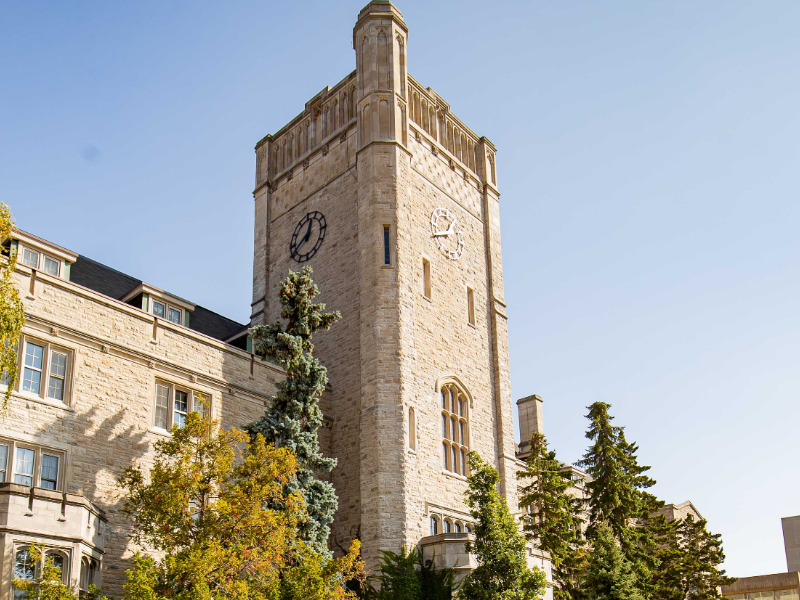
Johnston Hall

Administrative Fees

Residents must check out of residence as per guidelines outlined by Student Housing Services.


The following are fees that may be applied:

  • Improper Checkout: $125.00
  • Lock Change: $75.00
  • Abandoned Property Removal: $25.00
  • Key Sign Out (after 3 per semester): $5.00
  • Late Extension Requests: $20.00
  • Late Equipment and Key Return: $20.00

Additional Fees

Administrative Fees are not inclusive of all fees that may be applied. Additional fees and administrative policies are available on our website.


Student Housing Services Logo

Quick Links

  • Explore Our Communities
  • How to Apply
  • Book a Residence Tour
  • Frequently Asked Questions
  • Housing Portal
  • Important Dates

Contact Us

Student Housing Services

University of Guelph
Maritime Hall
50 Stone Rd E
Guelph, ON N1G 2W1

519-824-4120, Ext. 58700
housing@uoguelph.ca

Housing on Instagram Housing on YouTube Housing on TikTok Housing on Spotify