  • About
  • Contact Us
  • Indigenization, Equity, Diversity, and Inclusion
  • Governance
  • About People
  • Expert Profiles
  • Student Stories
  • About Places
  • Research Centres
  • Access to Research Centres
  • University Facilities
  • Tours and Biosecurity
  • About Programs
  • Research & Innovation
  • Veterinary Capacity
  • Agriculture & Food Laboratory
  • Animal Health Laboratory
  • Regulatory Training
  • Property Management
  • Resources for Researchers
  • Ag-Tech
  • Beef
  • Dairy
  • Field Crops
  • Horticulture
  • Poultry
  • Swine
  • Our Impact
  • Case Studies
  • Annual Reports
  • News
  • Events
  • Newsletter
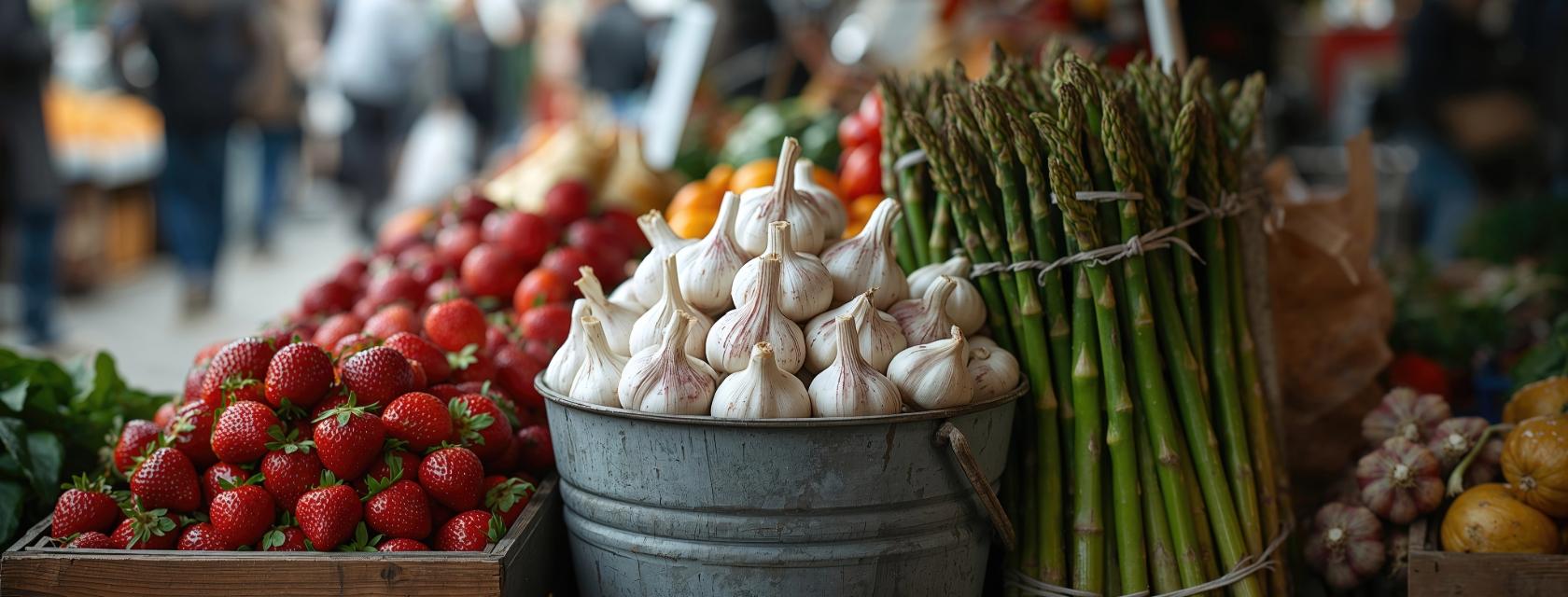
A display of strawberries, garlic and asparagus at a market stand.

Made in Ontario: Meet Some of the Experts Breeding Local Food

  1. U of G Homepage
  2. Ontario Agri-Food Innovation Alliance

If you’re trying to buy food grown close to home, you’re not alone. Ontarians are actively choosing to buy local food and about 60 per cent of all food produced in Ontario is consumed within the province.

But meeting the demand for grown-in-Ontario fruits, vegetables, grains and legumes involves more than putting seeds in the ground—it takes scientific expertise in breeding, genetics, biotechnology and more—specialities that are highly concentrated at the University of Guelph, Canada’s top agricultural university.

Plant breeders

Plant breeding is careful work that can take years, and sometimes, decades. But the payoff is worth the painstaking process. New plant varieties that grow well in local climates and soil types mean farmers benefit from disease resistance and high yields while consumers benefit from fresh produce grown close to home.

Support for the programs that carefully develop and test new varieties comes from the Ontario Agri-Food Innovation Alliance, a collaboration between the Government of Ontario and U of G, as well as Agricultural Research and Innovation Ontario (ARIO) and industry partners like SeCan, which is celebrating its 50th anniversary in 2026 and has been a proud U of G partner throughout those 50 years.

Published: June 1, 2026
Lead photo: Stock photo


Did you know? The University of Guelph has developed 500+ new plant varieties over the past 120 years.

A field of green wheat blows in the summer sun

"As Canada's Seed Partner, SeCan actively seeks partnerships that promote success in Canadian agriculture, and the University of Guelph has been one of our most valued collaborators throughout SeCan's history. Strong public breeding programs are essential because plant breeding is a long-term investment, often requiring eight to twelve years or more to develop a new variety. Sustained support helps ensure a continuous pipeline of innovative, Canadian-adapted varieties for Canadian farmers.”

Matt Hooyer, Eastern Product Development Lead, SeCan

"What has always stood out about U of G is the quality of both the science and the people. The breeders are collaborative, responsive, and genuinely interested in working with industry partners to maximize the impact of their research. The relationship goes far beyond a traditional breeder-licensee model; it is a true partnership built on shared goals, trust, and a commitment to delivering value to Canadian agriculture."

Kelly Pickett, Licensing Manager, SeCan

SeCan's 50th anniversary logo

This story highlights several U of G leaders in plant breeding, most of whom are part of the Ontario Agricultural College (OAC) Department of Plant Agriculture, but there are many more faculty, staff, students are partners working in laboratories and fields to bring fresh, Ontario products to market.

Find out more about the U of G’s Master of Science in Plant Agriculture.

Click the icons below to explore the plant breeders.

Wheat
Stone Fruit
Soybeans
Strawberries
Asparagus
Tomatoes
Beans

Interested in growing or marketing a vegetable, grain, or bean variety developed at U of G?

U of G’s Research Innovation Office (RIO) helps move developed plant varieties from research plots to farmers’ fields. Through variety licensing, public call for licensing proposals, and ongoing engagement with industry, RIO supports companies interested in commercializing these Ontario-adapted crops.

Start a conversation with RIO

Wheat: Healthy grains for Ontario

Headshot of Helen Booker

Dr. Helen Booker

Booker leads the U of G wheat breeding program, a unique public-private partnership between the Ontario Agricultural College (OAC), the Grain Farmers of Ontario, and SeCan that focuses on developing Canadian eastern soft red winter wheat suited to the unique growing conditions of Ontario and Eastern Canada. She is also tackling Fusarium head blight (FHB), a fungal disease affecting yield and grain quality that worsens with hotter, wetter conditions – the conditions becoming increasingly common on Ontario farms.

Read More: Breeding the Perfect Wheat
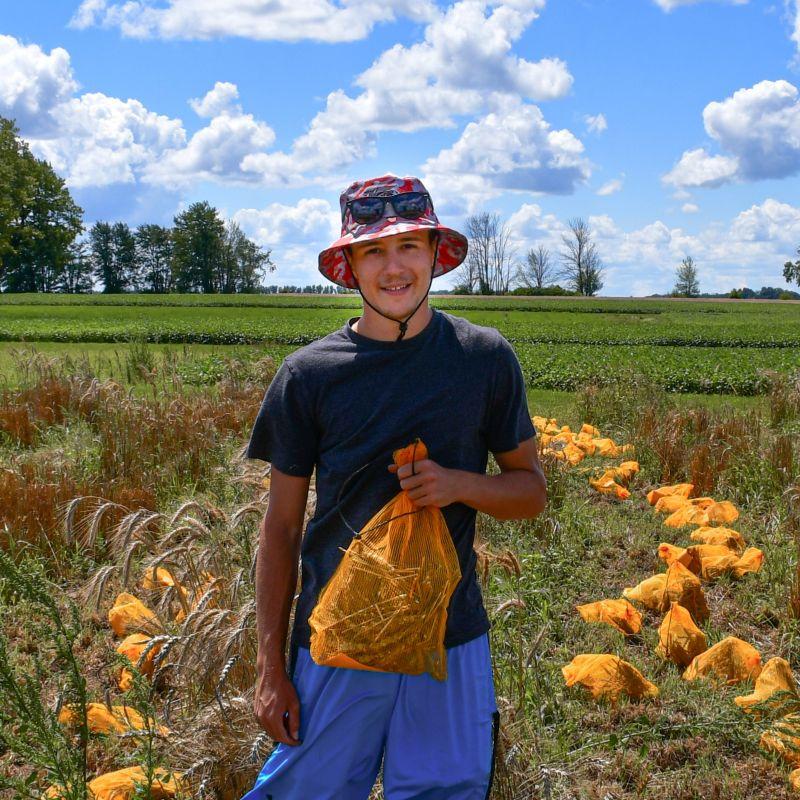
Riley McConachie standing in the wheat field on a sunny day holding an orange bag

Riley McConachie, PhD candidate

McConachie uses deep learning and a spectral index (a mathematical formula based on light) to estimate the severity of FHB in winter wheat, which makes it more efficient to select for resistance. He released the WheatScanR App that uses artificial intelligence to help farmers, agronomists and researcher detect FHB and count wheat heads with speed and accuracy. As a master’s student in Booker’s lab, McConachie was featured in SeedWorld Magazine.

Stone fruit: Peaches for the province

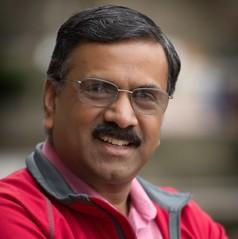
Jay Subramanian profile photo

Dr. Jayasankar (Jay) Subramanian

Subramanian develops cold-hardy and disease-resistant varieties of peaches, plums, nectarines and cherries to optimize them for Ontario growing conditions. His early market Vee Blush peach—bred in 1991 and released in 2013—helped growers adapt after the last major canning plant in Niagara closed in 2008. He has released eight new peach varieties since 2003.

Subramanian has received an Award of Merit from the Niagara Peninsula Fruit and Vegetable Growers Association, Lifetime Achievement Award from Tamil Nadu Agriculture University, Grant’s Desi Achiever Award, OAC Alumni Association Distinguished Researcher Award and the OAC Alumni Distinguished Extension Award.

Subramanian’s work benefits from close collaboration and continuous support from the Tender Fruit Marketing Board and the Niagara Peninsula Fruit & Vegetable Growers’ Association, which sustain the stone fruit breeding program.

Read More: Impact for Niagara Growers

Soybeans: Feeding local and global markets

Together, these researchers have developed more than 100 soybean varieties between breeding programs at the Guelph and Ridgetown Campuses, including work at the Ontario Crops Research Centre. Today, nearly 50 percent of Ontario-grown food-grade soybeans are U of G varieties.

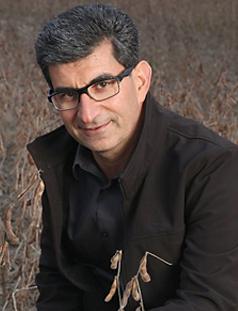
Mehrzad (Milad) Eskandari

Dr. Milad Eskandari

Eskandari’s research, leveraging the Ontario Crops Research Centre at the Ridgetown Campus, develops Ontario-adapted high-yielding soybean cultivars with value-added traits (e.g., high protein with enhanced amino acid profiles) that help farmers to maintain a competitive edge.

Read More: AI-Powered Soybean Breeding
Istvan Rajcan profile photo

Dr. Istvan Rajcan

Rajcan breeds soybeans to develop new high-yielding, high-quality and disease-resistant cultivars for Canadian growing conditions. Rajcan was honoured with the 2022 Plant Breeding and Genetics Award (Plant Breeder of the Year), an award presented by SeedWorld Group, and in 2025 with the prestigious Public Sector Impact Award by the National Association for Plant Breeding.

Rajcan Named Among the NAPB’s 2025 Plant Breeding Rockstars

Strawberries: A longer local growing season

Adam Dale profile photo

Dr. Adam Dale, professor emeritus

Dr. Dale tested U.S.-bred strawberry varieties to select berries that would work in Ontario’s soils and climate. Now farmers can grow strawberry varieties that produce fruit late May to mid-October, reducing the need for imports. He is currently working with Dr. Melanie Kalischuk to develop seed-propagated day-neutral strawberries, which can be propagated much faster and have a reduced risk of disease.

Read More: Choosing Local for the Sweetest Strawberries

Asparagus: Built for cold climate

David Wolyn profile photo

Dr. David Wolyn

Since the late 1980s, Dr. Wolyn has focused on producing hardy asparagus for colder northern winters to improve yield, quality and disease resistance. Production of Ontario’s crop has improved considerably in recent decades due largely to his work. In 2000, the release the Guelph Millennium variety bolstered a struggling asparagus industry in Ontario and the United States.

Wolyn, along with his team, was honoured with the 2019 Innovation of the Year Award and featured in a GuelphToday story: Meet Guelph's King of Asparagus.

Read More: U of G Asparagus Yields Strong, Successful Varieties

Tomatoes: For canning and ketchup

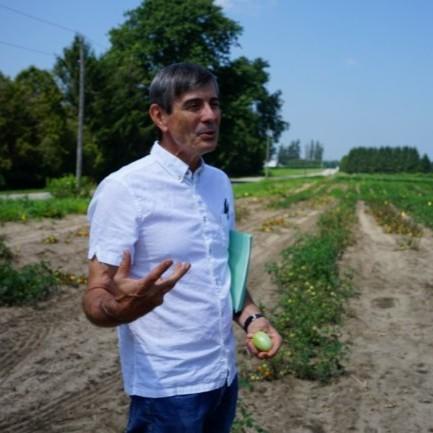
Steve Loewen stands outside in a tomato field on a sunny day, articulating something with his hands as he explains something

Dr. Steve Loewen

Loewen produces tomatoes with traits tailored to Ontario’s growing conditions. These are further developed and released by seed companies for use in the processing tomato sector. Tomatoes are grown, harvested and processed in Ontario, providing a local source of products like tomato sauce, diced tomatoes and ketchup that are available year-round.

Read More: Breeding Better Tomatoes

Beans: Better yields for farmers

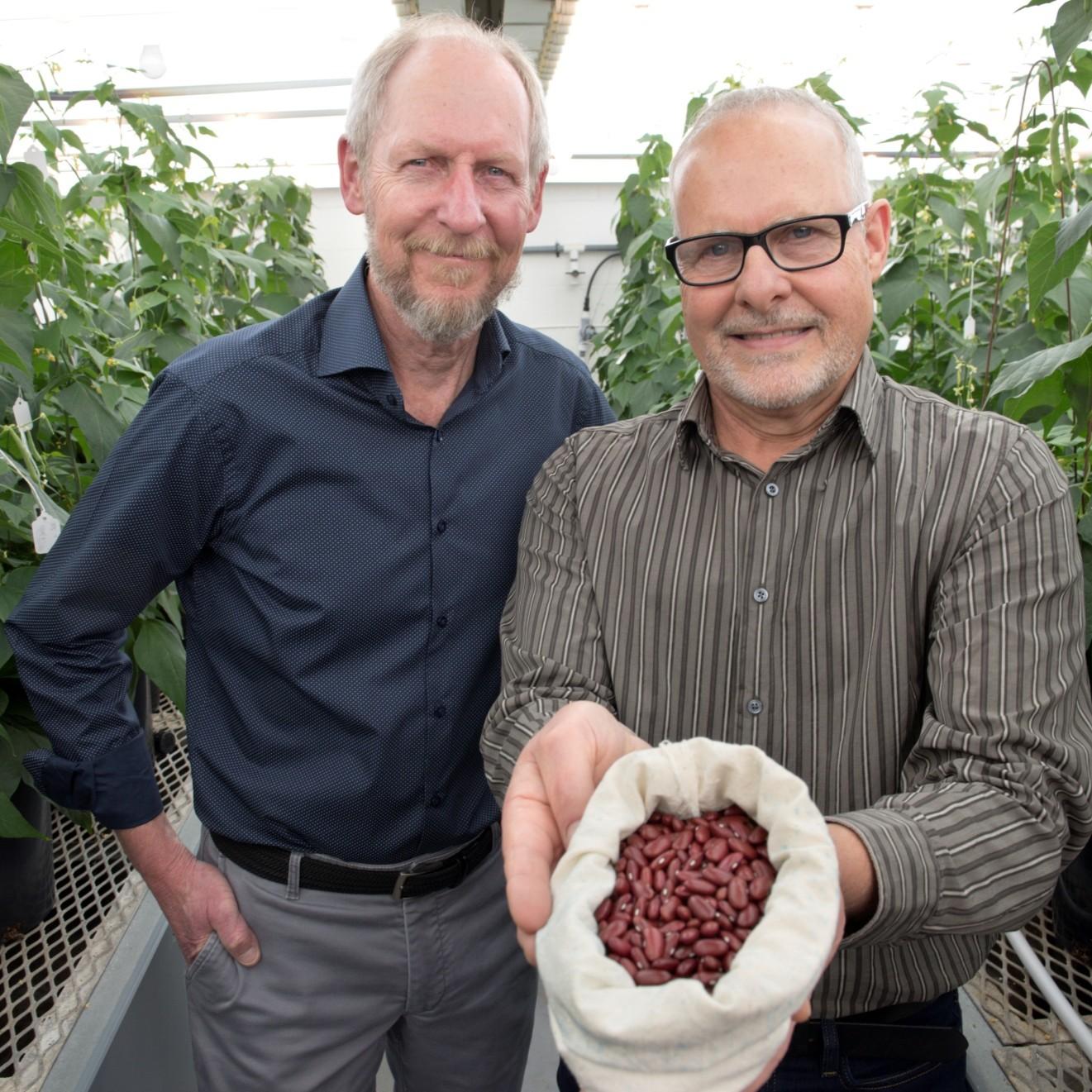
Peter Pauls and Tom Smith standing in a greenhouse holding a bag of red beans.

Dr. K. Peter Pauls, professor emeritus, and Tom Smith

Pauls and Research Technician Tom Smith have developed and commercialized more than 30 new bean varieties since 2003, including OAC Dynasty, a red kidney bean that increased yields by 15 per cent. New bean varieties are bred for improved disease resistance, yield and product quality. Dynasty has been recognized as 2024 Innovation of the Year and 2022 Seed of the Year, an honour presented by SeedWorld Group. Since Pauls’ retirement, Dr. Mohsen Yoosefzadeh Najafabadi has taken on the Department of Plant Agriculture’s bean breeder role.

Learn More: Ontario Pulse Crop Committee
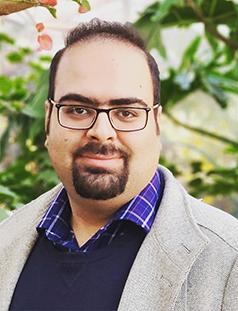
Mohsen Yoosefzadeh Najafabadi

Dr. Mohsen Yoosefzadeh Najafabadi

What do beans have to do with artificial intelligence (AI)? Ask Yoosefzadeh Najafabadi, who heads the U of G Dry Bean Breeding & Computational Biology Lab. He and his team use advanced AI models to help breeders predict plant performance and even ask questions that guide new experiments. “It’s not about replacing the breeder,” he emphasizes. “It’s about enhancing their ability to make the best decisions. AI can facilitate the integration of tradition with innovation.” Yoosefzadeh Najafabadi received the Early Career Award from the North American Plant Phenotyping Network, as well as the Young Scientist Award at the World Soybean Research Conference 11.

Read More: New AI Platform for Bean Breeding

Livestock Breeders

University of Guelph expertise has led to many of the breeding advancements that are making an impact on swine, dairy and beef farms across Ontario.

Genetics and genomics research now fuels on-farm decision-making, giving producers the tools to select animals with desirable traits—from a strong immune system to improved feed efficiency—that enhance the health of their herds and the productivity, profitability and environmental sustainability of their operations.

Farmers use this information to make breeding decisions, resulting in improvements to animals bred in Canada, and help producers save money thanks to healthier animals and lower feed costs.

Christine Baes headshot photo

Dr. Christine Baes, Department of Animal Biosciences, Ontario Agricultural College

Baes has led more than $38M in research funding supporting livestock sustainability, health, and productivity. She served as the Scientific and Administrative Lead of the Resilient Dairy Genome Project and currently leads the Net-Zero Dairy Genome Project, two large-scale initiatives that bring together researchers and industry partners from more than 40 national and international organizations to improve the sustainability and resilience of dairy production.

Working with colleagues at the University of Guelph, Lactanet Canada, Semex, and industry partners, Baes helped lead the development of the world's first national genetic evaluation for methane efficiency in dairy cattle. The results of this award-winning research are now available to dairy producers across Canada through Lactanet's national genetic evaluation system.

Read More: Net-Zero Dairy Genome Project
Bonnie Mallard headshot

Dr. Bonnie Mallard, Department of Pathobiology, Ontario Veterinary College

Mallard developed high immune response (HIR™) technology, which is licensed to Semex in Guelph (the long-time business partner to Mallard) and led to the creation of Immunity+® semen. Immunity+ offspring grow faster and live longer, saving farmers hundreds of dollars per animal per year. It could also be key against avian flu. While not yet found in Canadian cows, Canadian producers can still protect them through this technology.

For this work, Mallard is the only Canadian to have won both the Governor General’s Award for Innovation and the NSERC Synergy Prize, some of Canada’s top research awards. The recent study conducted by Mallard and the Semex research team and published in JDS Communications was selected as Editor’s Choice.

Read more: Saving Cows, Pigs and Poultry From Deadly Diseases
Profile photos of Jim Squires and Christine Bone

Dr. Jim Squires and Post-doc Dr. Christine Bone, Department of Animal Biosciences, OAC

Squires and his research team are developing precision approaches to predict and control boar taint, a significant issue in the swine industry that affects welfare, environmental sustainability and farmer profitability. The team discovered that the problem does not occur in every male pig. Different amounts of boar taint occur in various genetic lines, and up to 70 per cent of animals show no boar taint. "One solution doesn’t work in all animals, so our strategy now is to identify biomarkers or genetic markers to know which animals are likely to respond to a particular treatment,” says Christine Bone.

Read More: Research Uncovers Innovative Approaches to Prevent Boar Taint

The above research is funded, in part, by the Ontario Agri-Food Innovation Alliance, a collaboration between the Government of Ontario and the University of Guelph.

Ontario agri-food research centres, owned by Agricultural Research and Innovation Ontario (ARIO) and managed by U of G through the Alliance, are a key platform for honing the next generation of barn-tested innovations. This network offers geneticists access to consistent, stable environments for the detailed work of breeding.

Ontario Agri-Food Innovation Alliance wordmark

Stay connected

Subscribe to our newsletter

Follow us @AgInnovationON

Connect with the Alliance on Twitter Connect with the Alliance on YouTube Connect with the Alliance on LinkedIn

In collaboration with

Government of Ontario logo

This website is managed by the University of Guelph. Views expressed here are the views of the University and do not necessarily reflect those of the Government of Ontario.