MSc in Animal Biosciences (Thesis/Research)
Degree
- MSc (Master of Science)
Program Type
- Thesis
Delivery
- On-campus
Entry Terms & Deadlines
- Fall (September): Ongoing
- Winter (January): Ongoing
- Summer (May): Ongoing
Duration
- Full Time: 24 months
- Part Time: 48 months
Discover new knowledge and advance animal science.
The MSc in Animal Biosciences is offered through our Department of Animal Biosciences, a research-intensive department focused on Animal Breeding and Genetics, Animal Nutrition and Metabolism, Animal Physiology, and Animal Behaviour and Welfare. Graduate students can also conduct research as part of three collaborative programs with other departments: Bioinformatics, Neuroscience, Toxicology, and One Health.
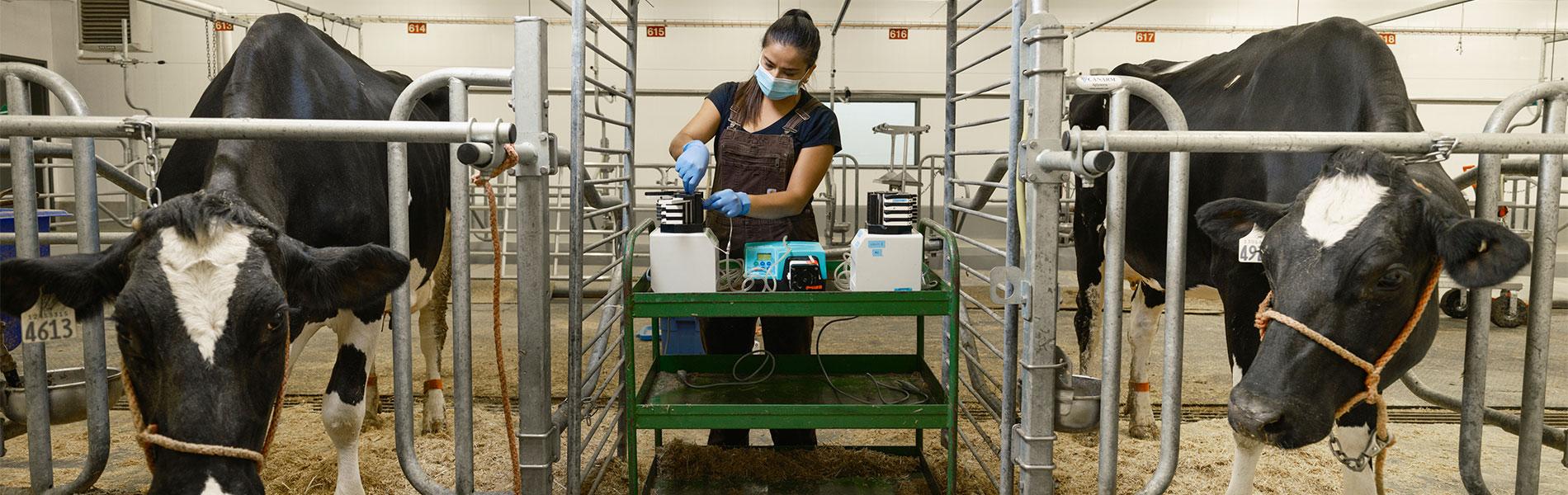
Regardless of your specialization, you will learn through “hands on” experiential research opportunities with your faculty advisor and focus on your species of interest: dairy and beef cattle, laying hens, dogs and cats, zoo animals, horses, or laboratory animals, such as mice and rats.
Publish research
Students in the MSc Animal Bioscience program publish on average one paper per year and present at conferences at least once annually.
World-class faculty
Tap into the knowledge and expertise of the 25+ faculty in the Department of Animal Biosciences and their associated colleagues in government and industry.
Expand your network
Join a thriving community of over 130 graduate students from 20+ countries who share similar interests and career goals.
90% employment rate
Within 6 months of graduating, over 90% of animal bioscience graduate students go on to future training or careers related to their graduate research.
Access unique facilities
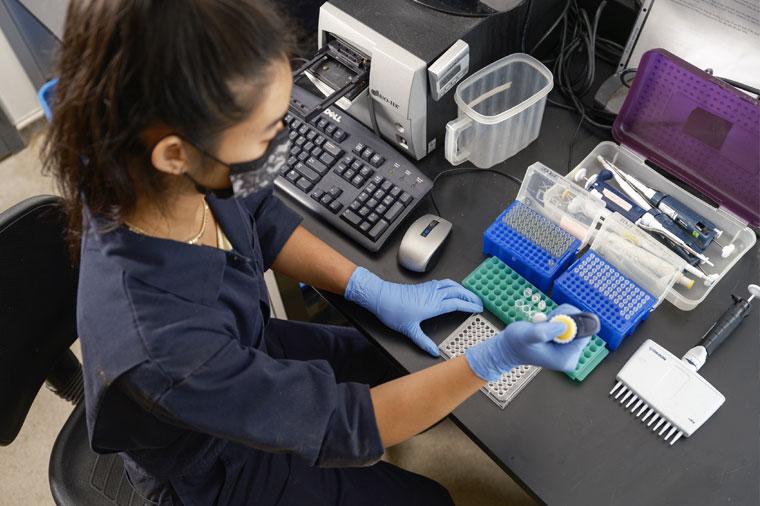
Learn in high-quality research and lab facilities focused on genomics, nutrient analyses, physiology, welfare, meats and microbiology.
Niche research centres
Gain knowledge and connections from the Campbell Centre for the Study of Animal Welfare, Centre for Genetic Improvement of Livestock, Aquaculture Centre and Centre for Nutrition Modelling.
This program is offered in-person at the Guelph campus, and typically takes two (2) years.
More information on courses and admission requirements can be found here.
Meet Your Profs

There is a lot of demand for people with advanced degrees in poultry nutrition. The industry is growing, as you know most people are consuming poultry and poultry will be the most consumed meat in the future. So we really need the scientists to be able to drive that growth in poultry.

The most exciting aspect in my work is to integrate all these new genomic technologies that we have available in order to identify the killer later genes or their functional mutations associated to our economical important traits such as feed efficiency or meat and carcass traits or fertility and reproduction in beef cattle.

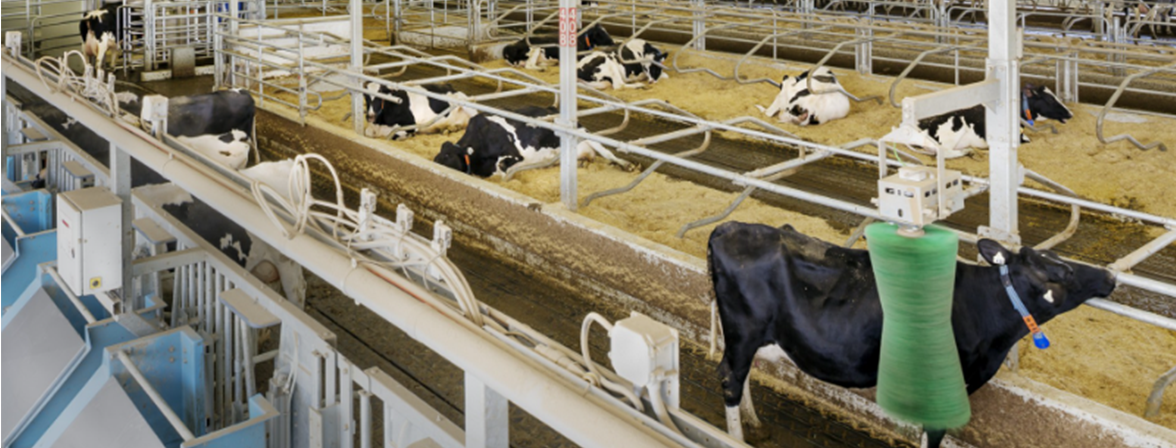
One thing I really love about studying cattle is you get to see animals in their environment and then we can take samples and take measurements on these animals and bring it back to the lab and you start to see differences on the tissue and cell level and even down to the gene level.

What we're really focused on is looking at factors that influence that behaviour and then the management factors that are going to influence the expression of that behaviour so we can make very applied recommendations to producers to optimize the health and production of their cows.

My research program seeks to understand the underlying physiology of diseases common in horses, and how these diseases can be modified with targeted nutrition, with a focus on cartilage biology.

We try to understand the biological problem at the cellular level and translate that information to the development of practical applications that could be adopted by the food animal industry in general. It's the combination of a basic science and applied research.

It's the data that makes me excited, but what makes me even more excited is when my graduate students come from trying to understand how to put that in the context of our global understanding about dog and cat nutrition and I see them move into a state of excitement over the data.
How to Apply
As part of the application requirements, you are required to secure a faculty advisor to supervise your program. Our faculty profiles on the Department of Animal Biosciences website describe research programs in more detail. Contact the faculty member you are interested in working with to discuss potential research opportunities. We recommend connecting via email.
Contact
For questions on applying and admissions, contact:
Chantelle Prigione, Grad Program Assistant
abscgradthesis@uoguelph.ca
Department of Animal Biosciences
For questions on graduate program options, contact:
Leigh West
Ontario Agricultural College (OAC)
lewest@uoguelph.ca
519-824-4120 Ext. 52101
Hear from Animal Biosciences Graduate Students

Graduate school has been such a wonderful experience. I have so much more freedom and am able to cater my studies to learn more about the subjects that I am interested in. Classes are much more specific to your program and consist of mostly assignments, presentations and literature reviews.

The idea of finding novel information on a new species that has the potential to increase the aquaculture industry in Ontario and other parts of Canada was very thrilling to me. Especially after learning about the declines in wild populations and the significance of the whitefish to both commercial and Indigenous fisheries.