
Academic Advising
What is Academic Advising?
The University of Guelph is committed to providing high-quality academic advising, to assist you in the development and pursuit of academic objectives consistent with your goals and the available opportunities at the University.
Academic advising exists to:
- Be a trusted and available place for you to discuss struggles and point you towards appropriate resources
- Support you in informed decision making and realistic academic planning
- Reduce structural and informational barriers that impede your progression
- Support your engagement, persistence and timely completion
- Ensure you experience U of G as navigable and supportive
Please come see us for assistance with:
- Course selection advice
- Academic program guidance, degree planning and Graduation checks
- Academic consideration and standing/probation
- Admission questions, such as transfer credits and credit equivalency
- Clarification of University of Guelph rules, policies and procedures
- Continuation of Study and Probation questions
- Referral to on-campus resources, including Student Counselling Services, Student Accessibility Services, Student Health Services and Learning Services
- Dealing with a missed FINAL exam or assignment
- Requesting a Letter of Permission or credit equivalencies for a course taken at another university for credit
Advising staff includes: Advising Assistants, Academic Advisors, Program Specialists, Senior Academic Advisors, the Director of Academic Advising, as well as faculty serving as Faculty Advisors and the Associate Vice-President (Academic).
Where is Academic Advising?
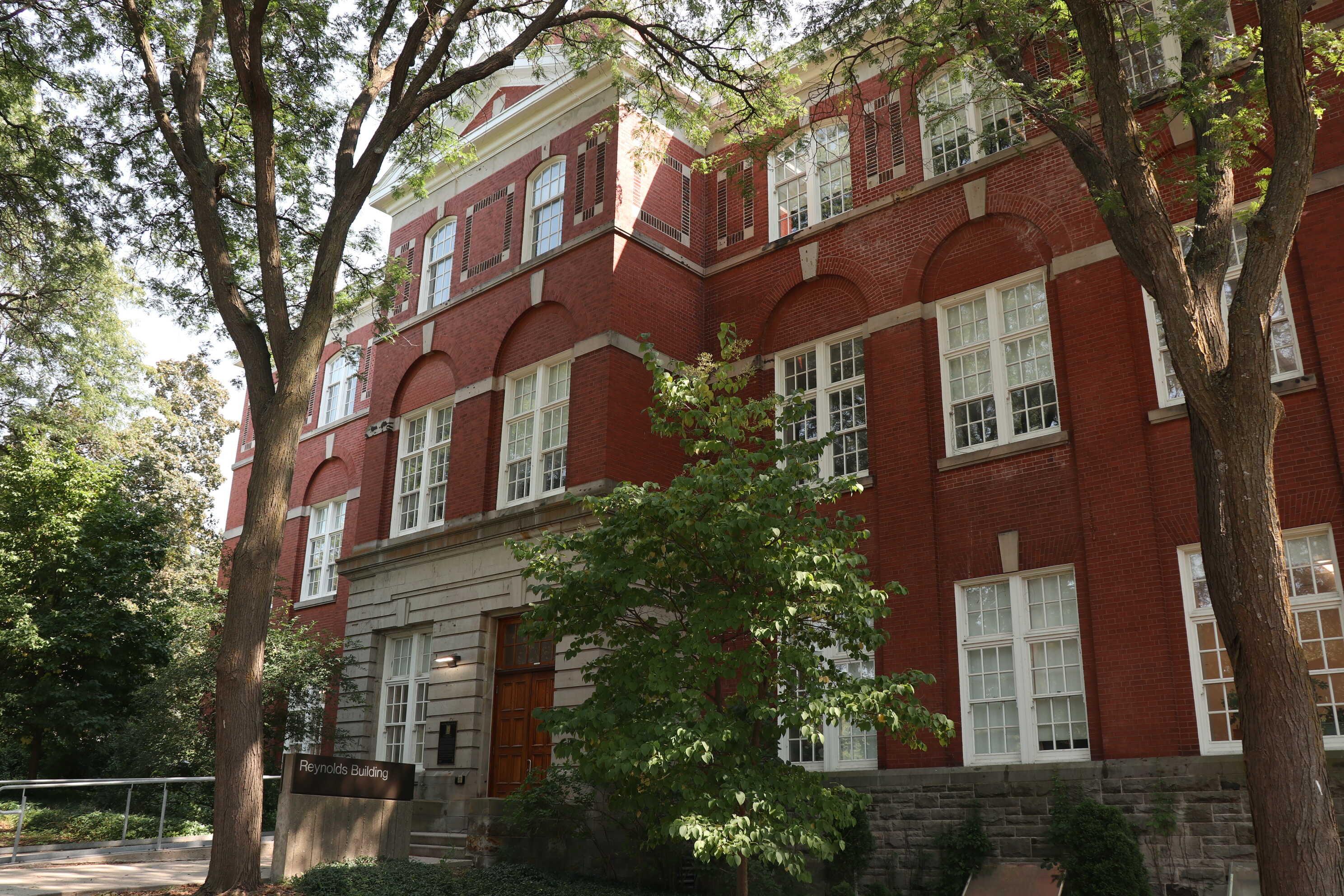
We have six advising offices physically located across the Guelph campus.





Contact an Academic Advisor
Academic Advising is available to all undergraduate and diploma students at the University. Academic Advisors have particular expertise in degree/diploma program requirements and regulations, as well as the specializations and their fit within the degree/diploma program. Note: Information about academic advising at Guelph-Humber or Ridgetown can be found on their respective sites.
Drop-in support is available at the following advising offices:
- Summerlee (Bachelor of Mathematics, Bachelor of One Health, Bachelor of Science): 9 a.m. - 12 p.m. and 1:30 - 4 p.m. from Monday to Friday
- MacKinnon (Bachelor of Applied Science, Bachelor of Arts, Bachelor of Arts and Sciences, Bachelor of Creative Arts, Health and Wellness): 9:30 a.m. - 12 p.m. and 1:30 - 4 p.m. from Monday to Friday
- Macdonald Hall (Bachelor of Commerce): 9 a.m. - 12 p.m. and 1:30 - 4 p.m from Monday to Friday
- Johnston Hall (Bachelor of Bio-Resource Management, Bachelor of Indigenous Environmental Science and Practice, Bachelor of Landscape Architecture, Bachelor of Science in Agriculture, Bachelor of Science in Environmental Sciences, Associate Diploma in Turfgrass Management): 10 a.m. - 12 p.m. on Wednesday
- Reynolds Hall (Bachelor of Computing): 9 a.m. - 12 p.m. on Monday
- Atrium of Thornbrough (Bachelor of Engineering): 9 a.m. - 12 p.m. and 1 - 4 p.m. on Wednesday
Booked advising appointments can also be requested when needed. Advisors are organized by program; your program can be found in the Student Planning section of WebAdvisor.
For advice and support specific to a program specialization (major, minor, area of concentration/emphasis), students can contact their Faculty Advisor. Faculty Advisors are faculty members with expertise in one or more program specializations and their fit within the degree/diploma program.
Prepare for Academic Advising
Whether you are meeting in person with an Academic Advisor or remotely via Microsoft Teams, there are a few helpful steps that you can take to get the most out of your appointment.
- Have your student number ready.
- Prepare a list of questions.
- Review your My Progress page in WebAdvisor, and check the Student Planning tutorials for help interpreting your My Progress page.
- Look at your Schedule of Studies in the Undergraduate Calendar or the Associate Diploma Calendar. Follow the calendar for the year you started your program. Use the calendar archive to find older versions of calendars.
- Research possible answers to your questions and courses you may take.
- Review or bring with you any notes from previous appointments.