Skip to main content
  • About the Office of Research
  • Stategic Research Plan
  • Vice-President, Research & Innovation
  • Office of Research Units
  • Research Centres and Institutes
  • Research News
  • Research Highlights
  • Research By The Numbers
  • Research Chairs
  • Honours and Awards
  • Partnership Opportunities
  • Student Research Opportunities
  • Community Involvement
  • Researcher Tools and Resources
  • Safeguarding Research
  • Commercialization Policy and Framework
  • Indigenization, Equity, Diversity and Inclusion in Research
  • Research Alerts
  • Funding
  • Ethics and Regulatory Compliance
  • Research Integrity and Conflict of Interest
  • Patenting, Licensing, and Commercialization
  • Honours and Awards
  • Ontario Agri-Food Innovation Alliance
  • Other Considerations and Resources
  • Forms, Policies, Guidelines, and Procedures
  • Interactive Support Sessions for Researchers
  • Researcher Training and Development
  • Research Administration Information Management System (RAIMS)
  • Office of the Vice-President (Research & Innovation)
  • Research Services Office
  • Agri-Food Partnership staff
  • Research Innovation Office staff
  • Food from Thought staff
  • College Associate Deans Research and Research Managers
  • Research Financial Services

Colonizing

Salmonella is a pathogenic bacterium known for its ability to colonize various hosts, including humans and animals. Its colonization often leads to foodborne illnesses. Understanding the mechanisms and factors involved in Salmonella colonization is crucial for preventing and mitigating its impact.
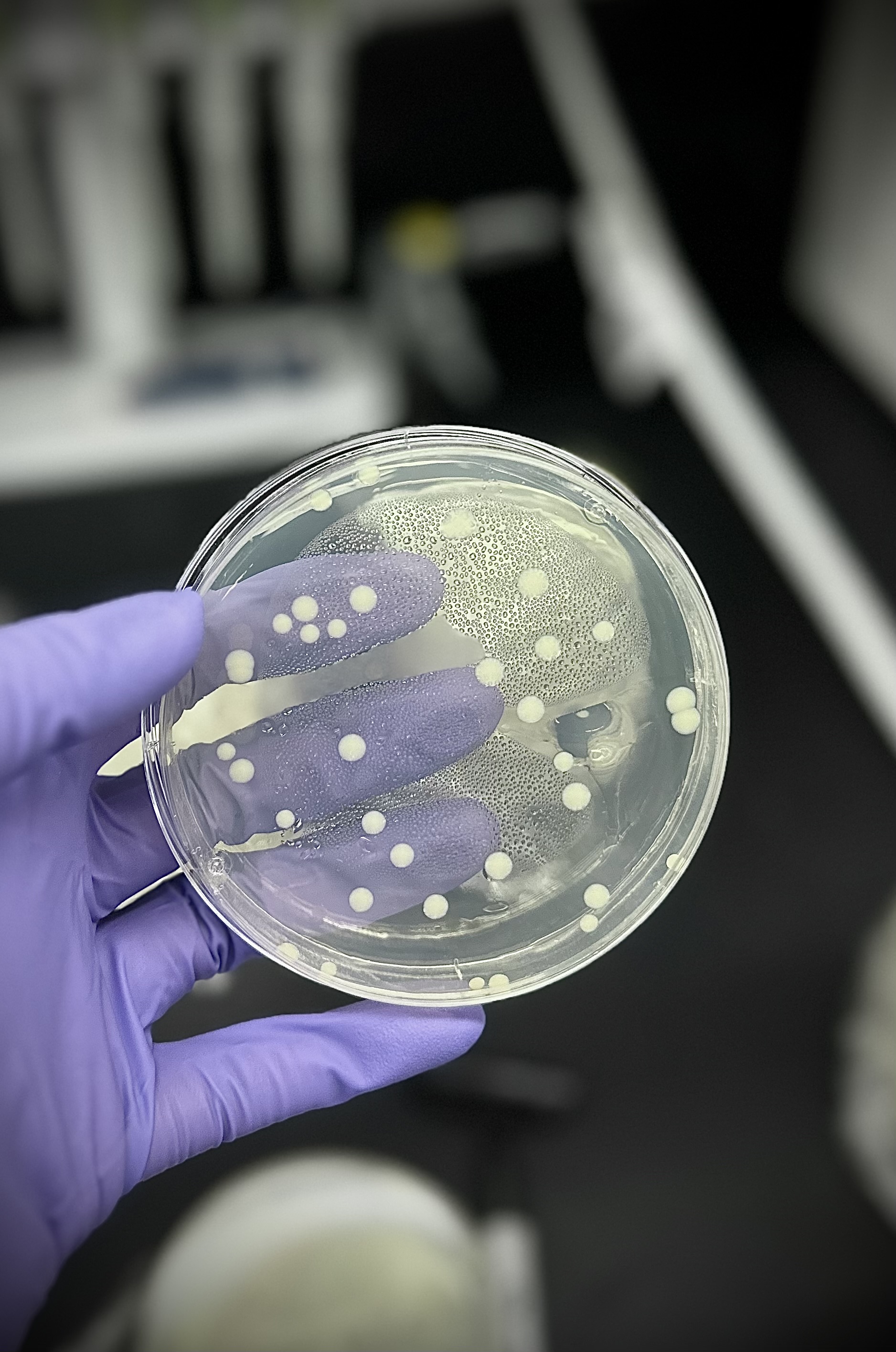

A hand in a purple glove holding a petri dish with salmonella in it.
Skip to main content

Quick Links

  • OR-5 form
  • Animal Utilization Protocol online system (eAUP)
  • Human Participants - Ethics Online System (EthOS)
  • Funding Opportunities list

  • Instagram

  • LinkedIn - Office of Research

  • X - Twitter

  • YouTube - YouTube