
Undergraduate Programs
The Department of Human Health Sciences offers undergraduate honours programs in Human Kinetics, Nutritional and Nutraceutical Sciences, Bio-Medical Science (in partnership with the Ontario Veterinary College), and Neuroscience (in partnership with the departments of Molecular and Cellular Biology, Biomedical Sciences and Psychology).
Each of the majors encompasses the basic biological and physical sciences together with social sciences and humanities. Students study a common core which includes calculus, chemistry, biochemistry, genetics, cell biology, molecular biology, physics, statistics, nutrition, and physiology.
All majors include a large number of electives. Some of these must be courses offered by the Department of Human Health Sciences, but many can be chosen from a wide variety of subject areas.
General regulations pertaining to undergraduate programs at the University of Guelph are outlined in the University of Guelph Undergraduate Calendar.

Human Health and Nutritional Sciences
Human Health and Nutritional Sciences explores the biological, physiological, and nutritional foundations of human health, with a particular emphasis on the importance of lifestyle choices and the potential for innovative products to prevent illness, boost performance and promote long-term well-being.
Note: The Human Health and Nutritional Sciences major was previously known as Nutritional and Nutraceutical Sciences. The new name is effective for the incoming fall 2026 class.
Human Kinetics
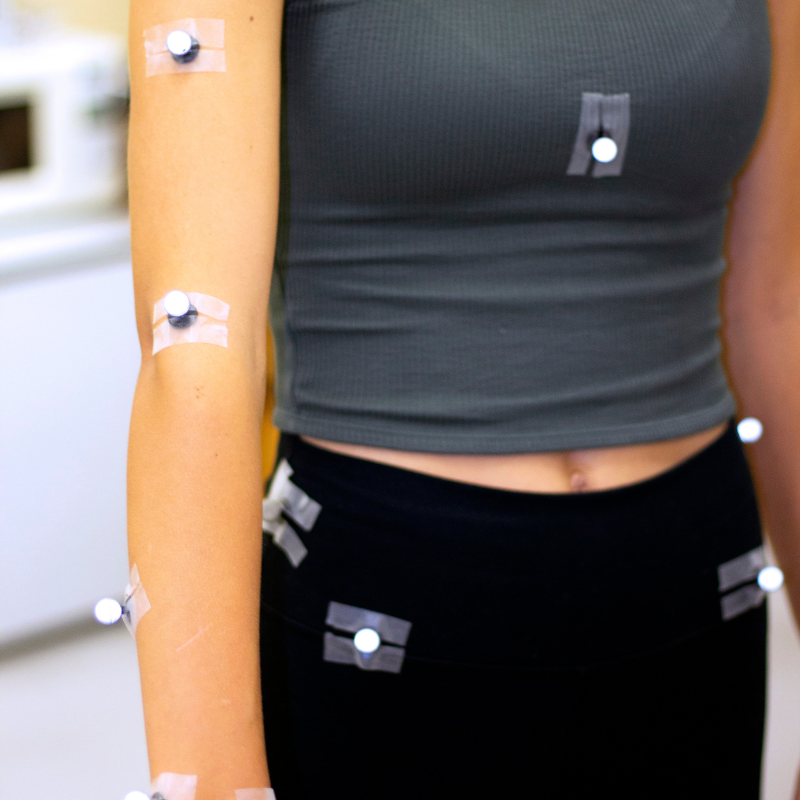
Human Kinetics is concerned with understanding capacities for, and limits of, human movement at different ages and with the role of physical activity in human health. Through the use of electives, you can structure a program emphasizing biomechanics and ergonomics, human population biology, or nutrition, exercise & metabolism.

Bio-Medical Sciences
Studying Bio-Medical Sciences at Guelph provides you with a broad overview of human and animal health through the study of function, structure, and paraclinical sciences. Through the use of electives, you can structure a program emphasizing reproductive biology, nutritional sciences, or principles of health and disease prevention. In addition, this program is designed to partially meet the current requirements for entry into medical schools in Ontario, as well as entry into the DVM program of the Ontario Veterinary College.
Neuroscience
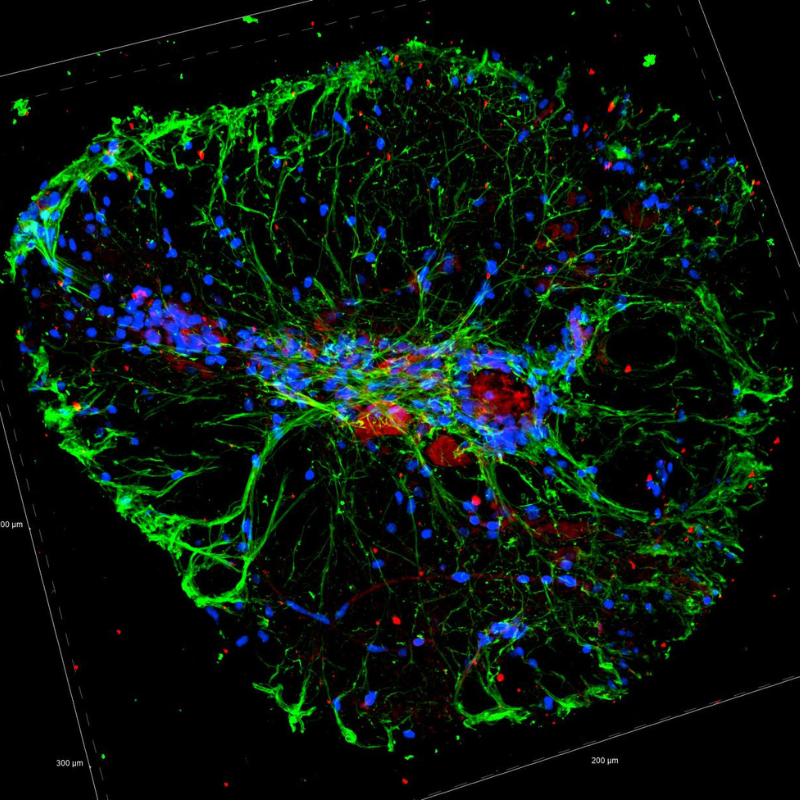
The University of Guelph is a leader in neuroscience, with students learning from experts who regularly contribute to important advancements and discoveries. Our faculty have extensive and wide-ranging expertise, including in neurodegenerative and neurodevelopmental disease, pain, addictions, stress and trauma, regeneration and repair, and the brain-gut connection. After building a foundation in the biological sciences in your first two years, you can choose from electives focusing on neurobiology, health and disease, computation, modelling and statistics, and psychology.
Kinesiology at the University of Guelph-Humber
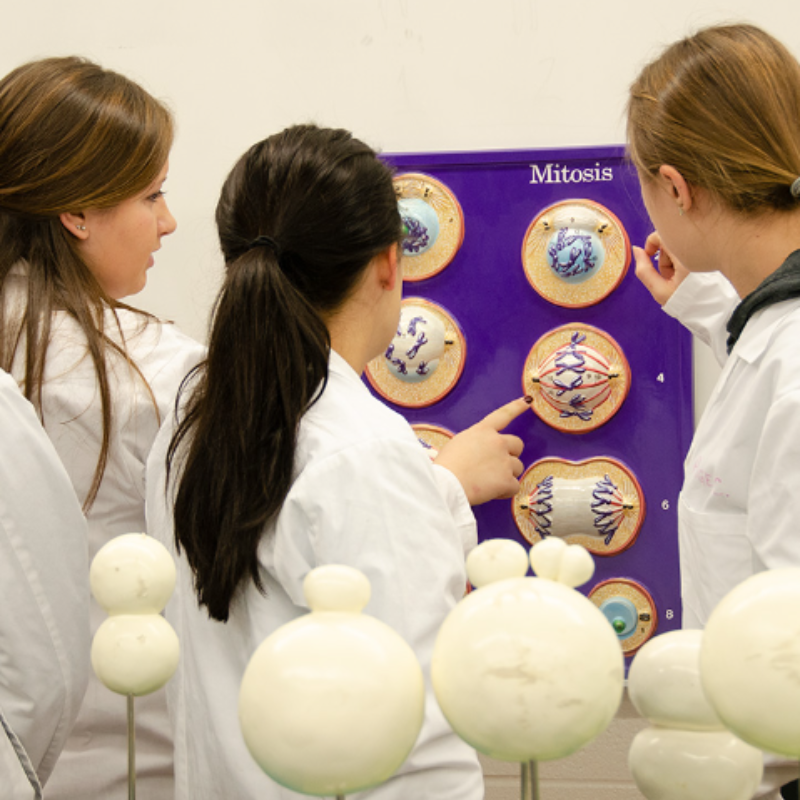
The curriculum provides a strong scientific background in the biological, biochemical, physical and mathematical sciences. Some of the core areas of study are anatomy, physiology, biochemistry, nutrition, fitness and lifestyle assessment, exercise prescription, biophysics, biomechanics and motor learning, as well as health counselling and health promotion. Your coursework can prepare you for a future career in occupational therapy or physiotherapy, chiropractics, sports medicine, health promotion, or in a business or education setting.