The Argentina Field School: Governing Extraction for a Just and Sustainable Energy Transition
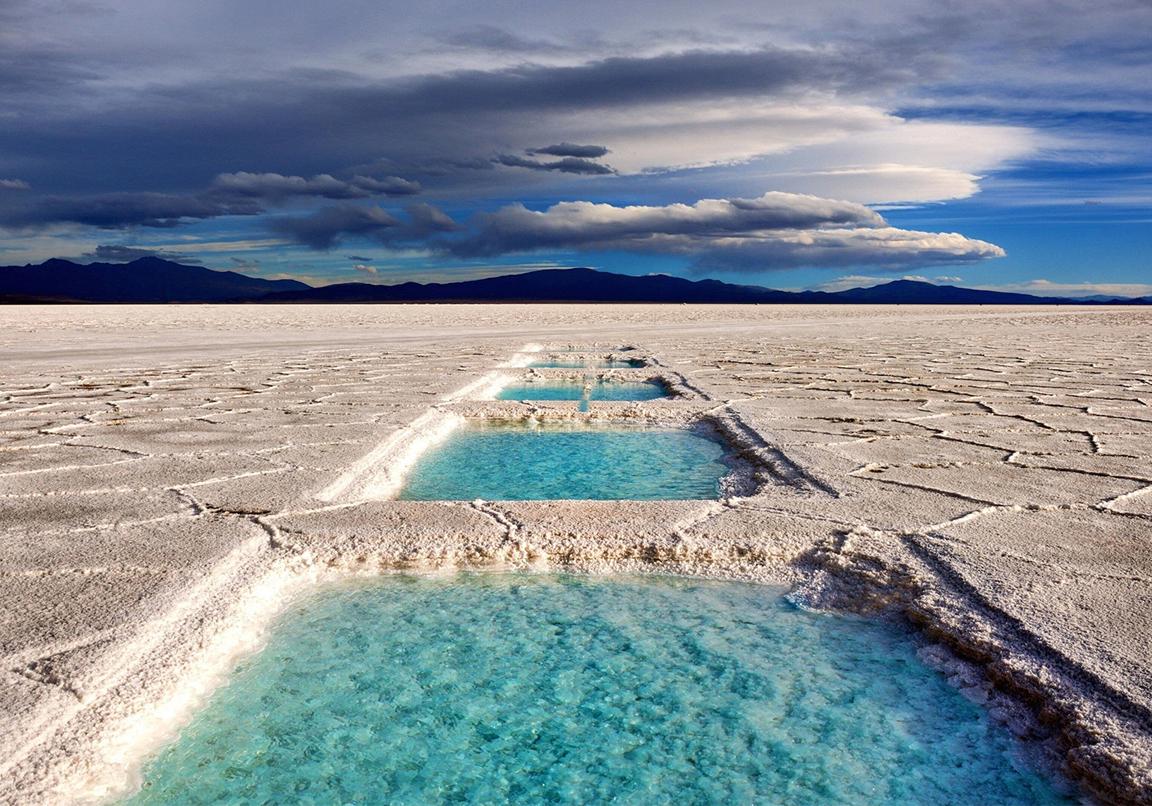
This Field School explores the experiences, impacts, and trade-offs facing communities, families, and workers living on the front lines of lithium extraction in Argentina — a country that sits on the world's second-largest known lithium deposit. The lithium used in cell phones, laptops, electric vehicles, and data centres worldwide is increasingly drawn from brine deposits located in the so-called "lithium triangle" of Argentina, Bolivia, and Chile, a process that has raised concerns about ecological degradation, community conflicts, and deepening regional economic dependence on volatile export commodities.
Building on a six-year SSHRC-funded research project investigating the impacts of lithium extraction across five countries (www.lithiumfrontiers.com), students will have a firsthand opportunity to meet and speak with Indigenous communities, politicians, environmentalists, and other stakeholders involved in extracting "critical minerals" for the global energy transition. Students will leave with a deeper understanding of the social, political, and environmental dimensions of lithium extraction, and a critical lens on how growing global demand for cell phones, data centres, AI, and EVs is affecting ecosystems, livelihoods, and communities in one of the world's fastest-growing lithium frontiers.
Overview
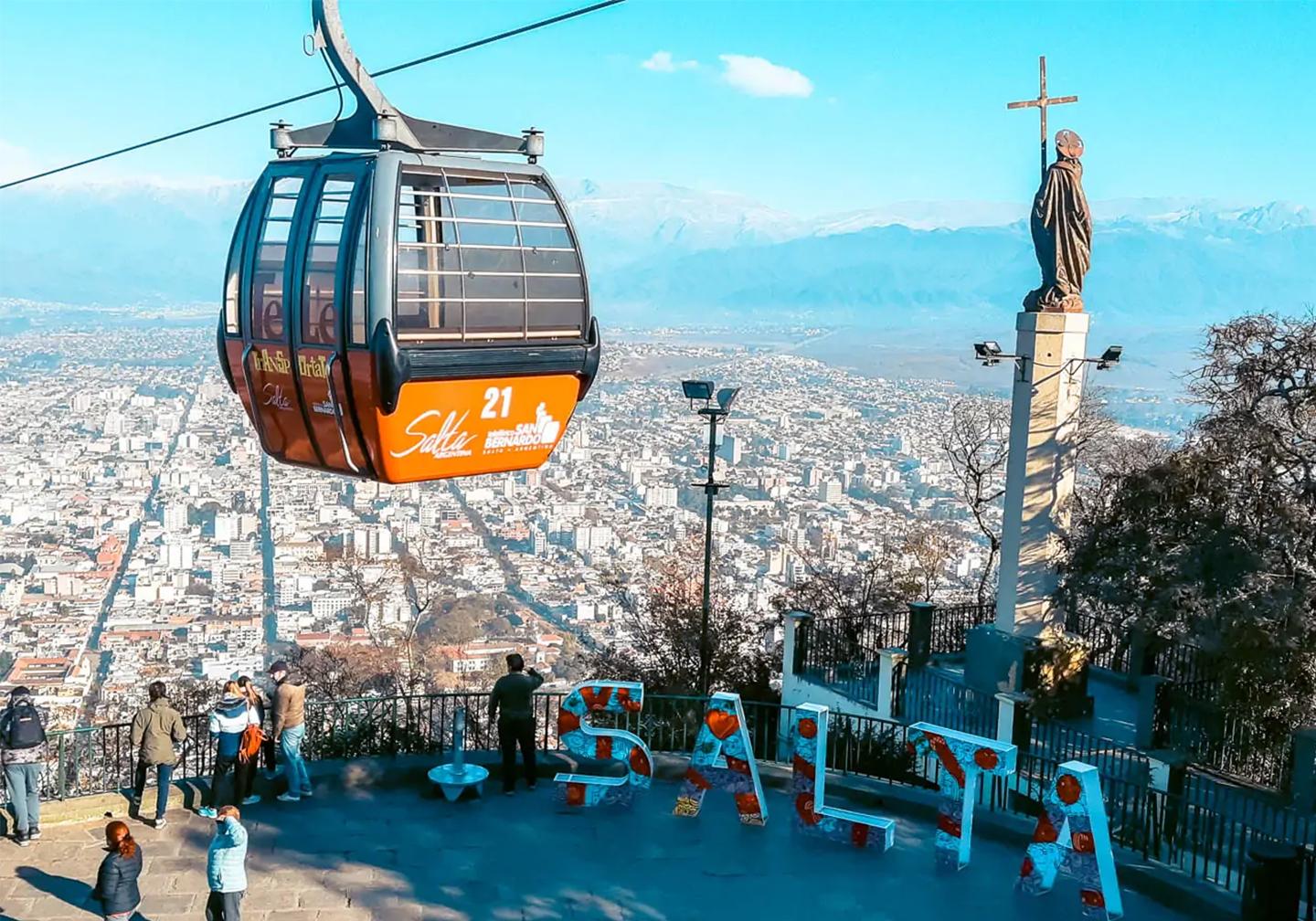
Location: Salta, Argentina
Term: Summer 2027
Dates (Tentative): May 3–20, 2027
Pre-departure classes: 3 seminars at end of April, dates TBD
Credits: 1.0 social science credit (third-year level)
Instructor: Dr. Craig Johnson, Political Science, CSAHS
Group size: Maximum 15 students

Information Session
Learn more about the Argentina Field School at our upcoming info session.
Date: TBA
Time: TBA
Location: TBA
Virtual option: TBA
Missed the information session? Contact Dr. Craig Johnson to learn more.
Eligibility
Students applying for the program must have completed a total of 5 undergraduate credits by the time the program begins in May 2027 (or permission from the instructor) and must have a 70% cumulative average.
The program is open to students in any discipline.