Madagascar Field School: One Health Approaches to Conservation | Study Abroad
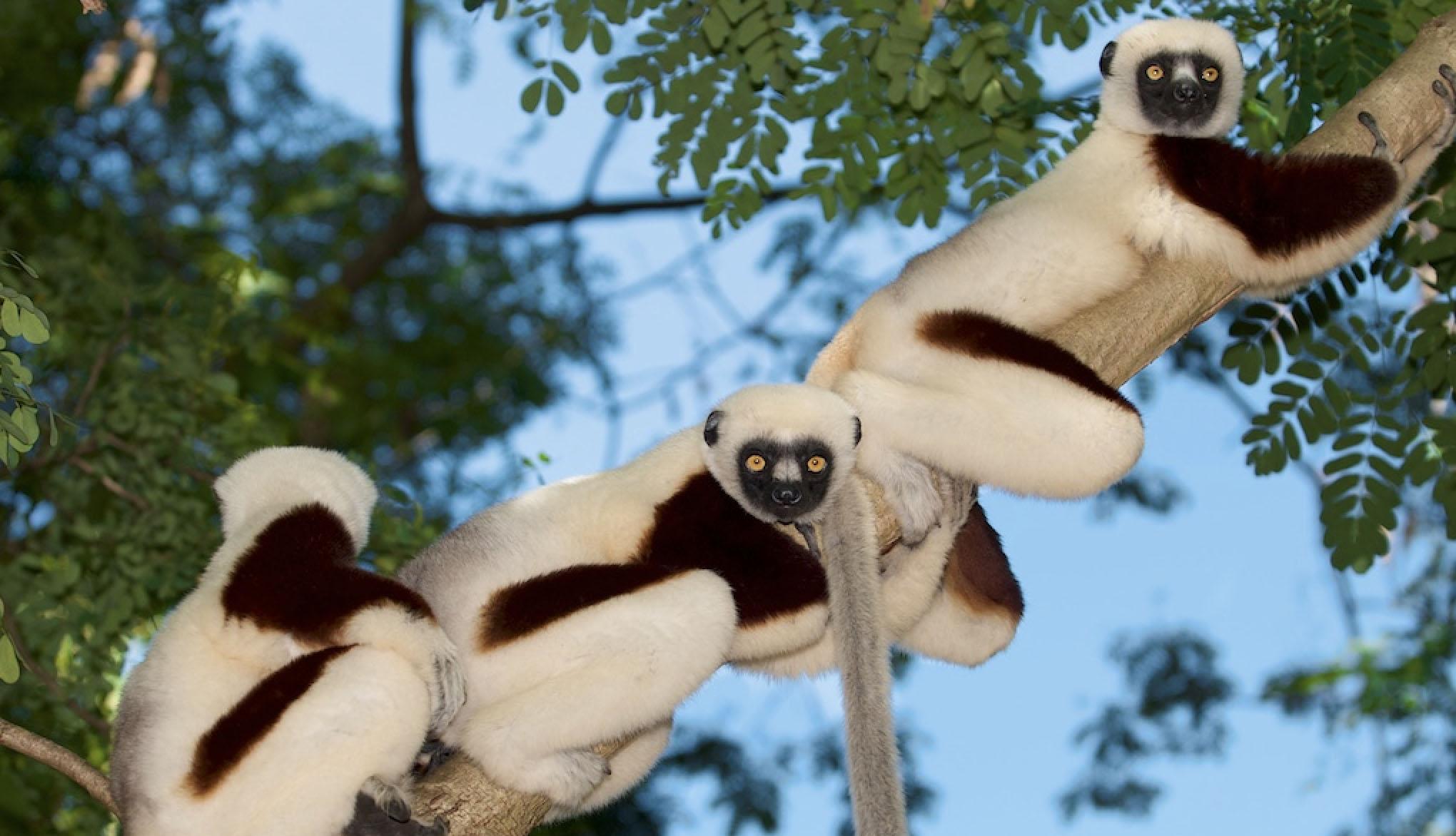
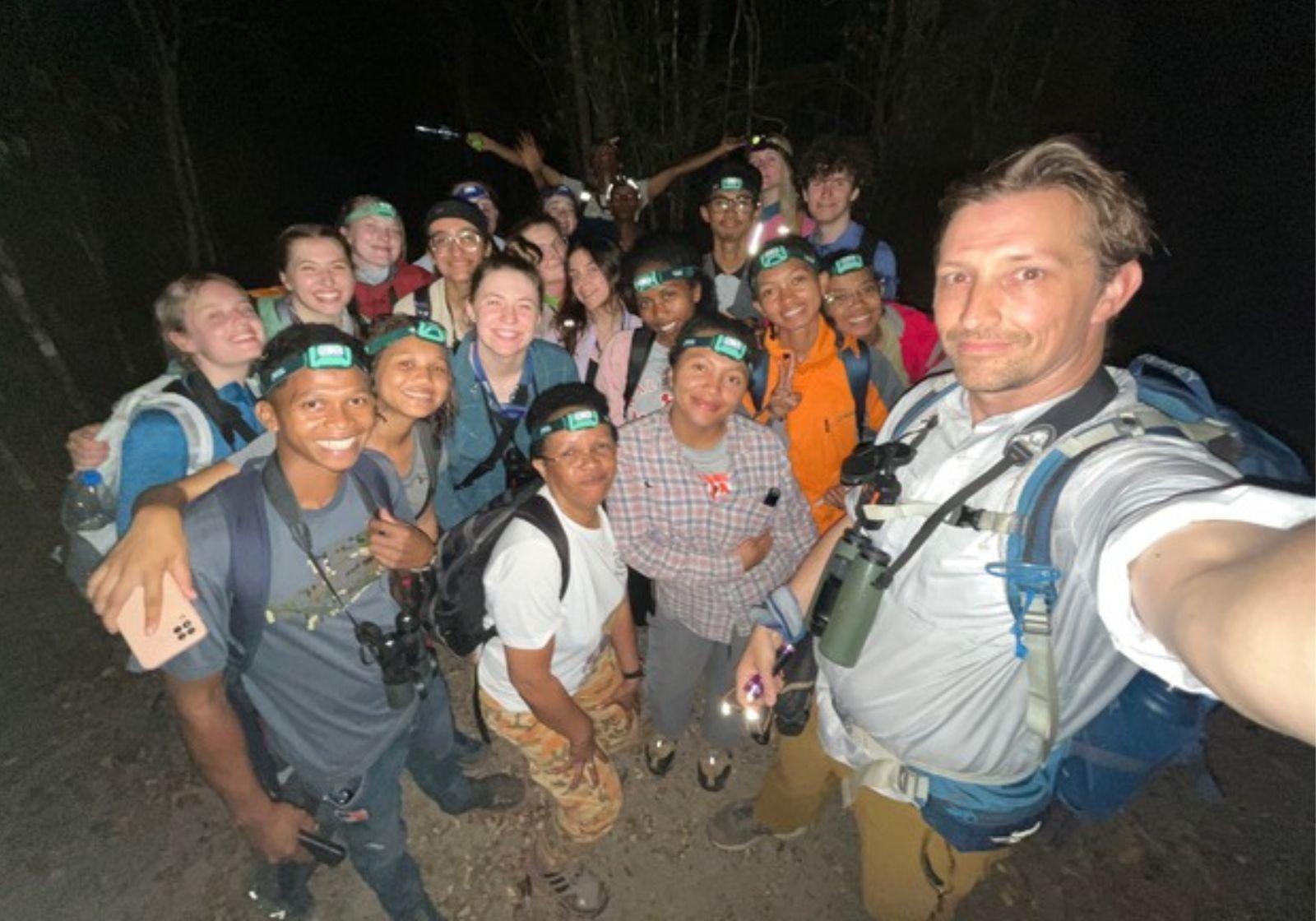
One Health is the collaborative effort of multiple disciplines working together on our planet’s most complex animal, human and environmental health problems. Madagascar offers a unique opportunity to study conservation issues within a complex One Health scenario where people, endangered wildlife (lemurs), and domestic animals share the same forest environments. Madagascar also has a robust Primatology and conservation community that this Field School will leverage through shared participation in the program. Students will be divided into research groups focused on animals, people, or the environment and will work in pairs that include one Malagasy student. Students will also engage with the nonprofit Planet Madagascar which is focussed on lemur conservation and community development, as well as work with residents of rural communities, and will also be mentored by at least one Malagasy professor.
Overview
Location: Madagascar
Term: Summer 2026
Dates: May–June (1–2 weeks on campus + 4 weeks field in Madagascar)
Credits: 1.0 (third-year level)
Instructor: Dr. Travis Steffens (Sociology & Anthropology)
Tentative Course Outline: One Health Approaches to Conservation
Group size: Maximum 12 students
Information Session
Learn more about the Madagascar Field School at our upcoming info session.
Date: Monday, January 12, 2026
Time: 5:30–6:30 p.m.
Location: UC 390 (take the South elevators)
Virtual option: Join the meeting.
Missed the information session? Contact goabroad@uoguelph.ca to learn more.
Eligibility
Students applying for the program must have completed a total of 7.5 undergraduate credits by the time the program begins (or permission from the instructor), and must have a 68% cumulative average.
Students are strongly encouraged (but not required) to have taken ANTH*1150 Introduction to Anthropology and ANTH*1120 Biological Anthropology and/or ONEH*1000 Introduction to One Health by the end of W26.
The program is open to students from all disciplines at the University of Guelph, with a maximum of 12 undergraduate students being accepted to the program.