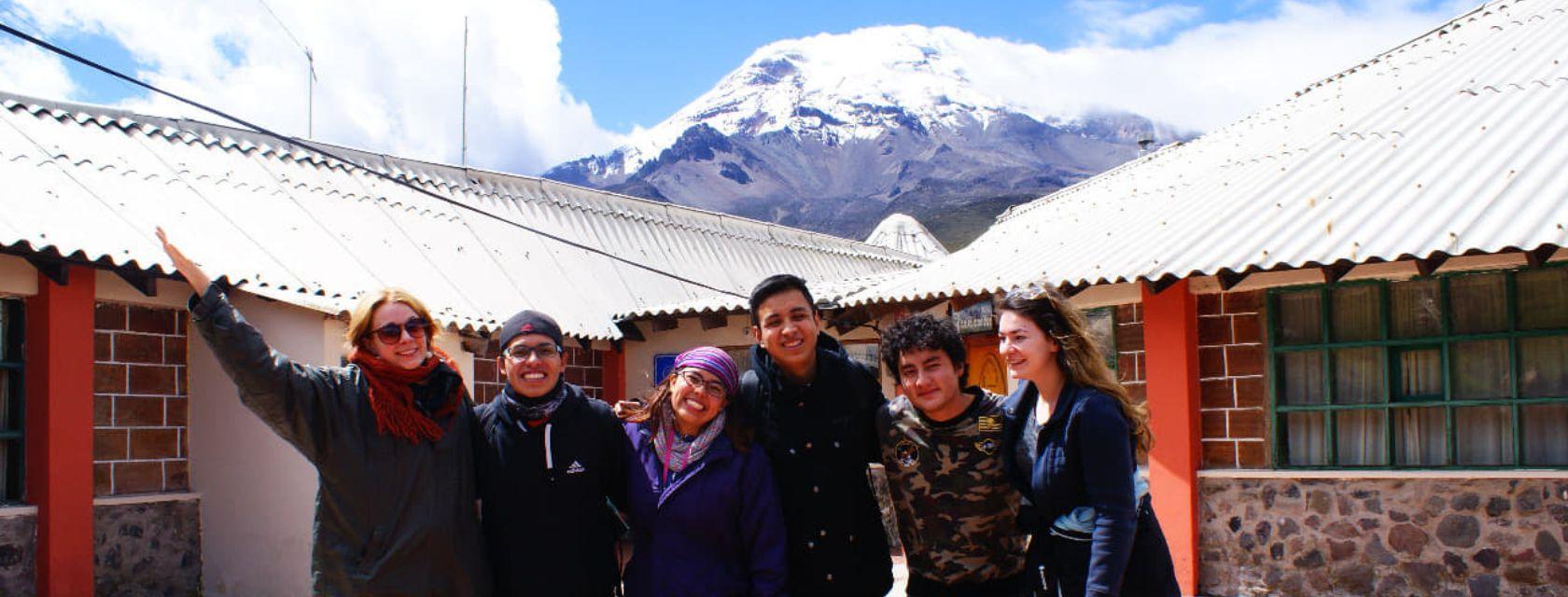
We often receive questions from students interested in working, volunteering, or studying abroad through third-party organizations. These opportunities can include internships, volunteer projects, or short-term study abroad programs not arranged through U of G’s formal exchange agreements. While these experiences can be rewarding, it’s important to carefully research providers, understand how credits may or may not transfer, and plan for logistics such as visas, housing, and insurance. The Centre for International Programs can help you explore options and connect you with resources to make an informed decision.
Selecting a Third-Party Work / Study / Volunteer / Travel Abroad Program
Sometimes, students want to travel abroad with a private organization, institution or company that is not directly affiliated with their home University in Canada. There are literally thousands of learning abroad organizations, and we can’t advise you about specific companies or institutions, but here is a list of things to consider and questions to ask as you evaluate a third-party opportunity.
Before starting on your work, study or travel abroad program, consider the following about the organization with which you may be involved. Select an organization that is well-known and transparent about its function and motivation. It should also define the hazards as well as the advantages of working/studying or volunteering abroad. Do your homework and be an informed traveller.
What do you really know about the organization you are considering? Who is behind the organization? Do their values align with yours re: religion, environmental concerns or human rights?
How did you learn about it? Did they reach out to you or did you find them on your own?
What other information is available? Information Sessions? Actual people you can talk to?
Can former clients be contacted about their experiences?
Is there an advertised office/representative in the host country whom you could contact?
Is your academic advisor/counsellor familiar with the organization? Have students received credit in the past?
How is the organization funded: government funding, private or religious organizations?
To discover if there have been problems do an internet search for ‘reputation [organization name]’ or ‘complaints [organization name]’
Where is their official base in Canada? (Find an address rather than a Post Office Box. No.).
Who is responsible if complications arise and legal action is necessary?
Is there a Canadian office or branch which would be subject to Canadian laws?
Are host countries considered safe according to Canadian gov’t travel advisories? (check travel.gc.ca for travel advisory information)
Do you require a visa or permit to enter the host country? If so, what kind; student visa, work permit etc? Is the cost of this included or extra to you?
Is there an application fee? How much?
What do program fees cover? What do they NOT cover? Are there hidden fees?
What percentage is for administrative fees and what percentage pays for your activities?
How does it compare with other similar organizations' fees?
Is there a consultant or third party involved in your connection to the organization (i.e., a recruiter)? If so, who pays them: you or the organization?
Will the fee (or part of it) be refunded if there is any kind of cancellation by you or by the organization?
Is the selection process explained upfront?
Any costs involved? E.g., travel to a selection interview or group selection activity.
What percentage of applications are successful? Is everyone accepted or is it very competitive?
What will you be expected to do on this program: volunteer work, manual labour, skilled labour?
Do you have the opportunity to choose the type of activities?
Do you feel qualified to do the type of work? If you wouldn’t be allowed to do this work at home (medical, veterinary, trades) you probably shouldn’t be doing it in another country.
What kind of training will be provided, including cross-cultural and language training?
Who will take responsibility if some aspect of your work is done incorrectly - you or the organization? i.e., will you be personally liable if you make a mistake?
Does the organization take steps to ensure a safe working and living environment?
What kind of orientation is provided (pre-departure and upon your return)?
Will accommodation be provided, or will you have to find it yourself?
What kind of accommodation is available/planned? With host families? Hotels? Dormitories? Tents?
What safety protocols are in place? e.g., two students placed in the same homestay. Are families vetted? Do facilities (hotels, homes etc.) meet fire, health and safety standards similar to Canada?
What insurance does the organization have for liability?
Is health insurance available? If so, who pays? What is covered? Get details.
Are long-term disability and life insurance available?
Will you be repatriated at the organization's expense should you be seriously ill or die abroad?
Will you be repatriated at the organization's expense should there be a family emergency in your home country?
What level of health care is available in the host country?
Does your home institution recognize the courses/activities of this organization/ institution? Will study or work activities be counted for academic or co-op/internship credit?
How will your work be assessed? If accreditation exists, how is it handled, and do you receive a transcript?
Check all transfers of course credits with your home institution before you study abroad with a third-party organization.