Growing Ontario Solutions 2025/26
Ontario Agri-Food Innovation Alliance Annual Report
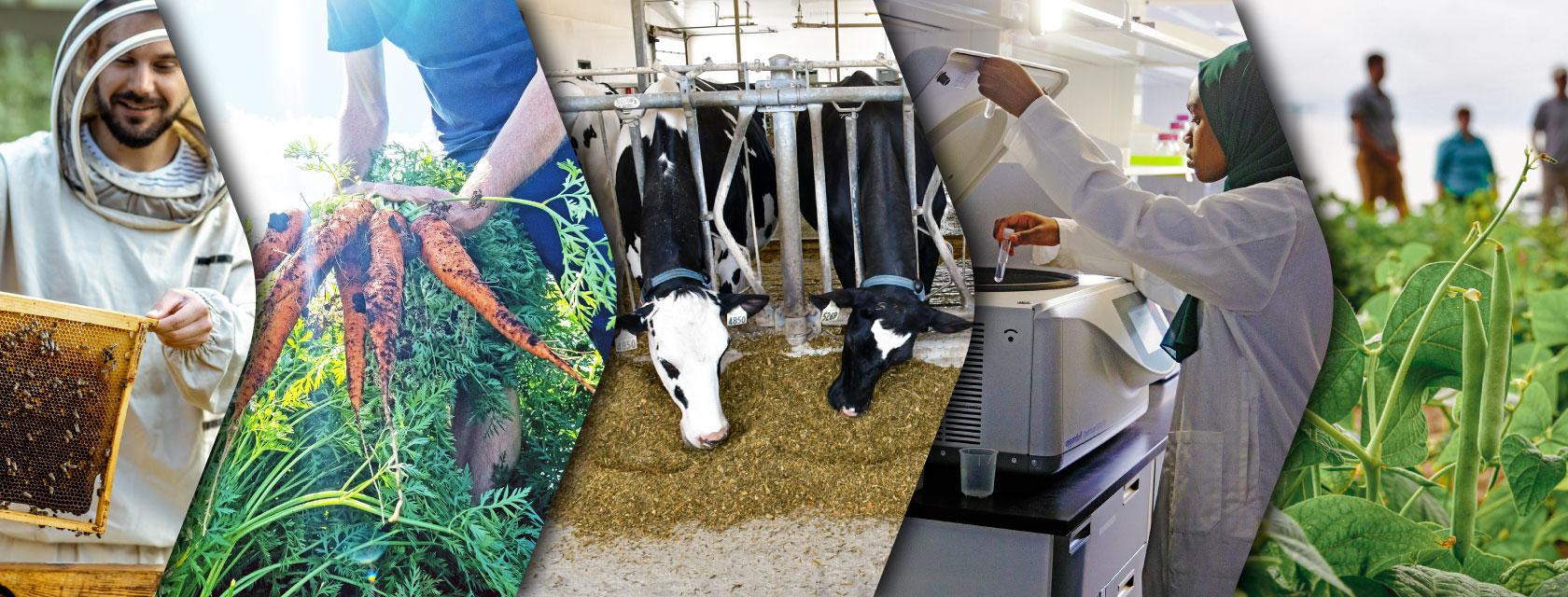
The agri-food sector is one of Ontario’s most important assets. It feeds people, supports local jobs and businesses, anchors communities and is a significant driver of economic growth.
Key to protecting this $53-billion strategic provincial asset is the Ontario Agri-Food Innovation Alliance. By linking the University of Guelph, Ontario Ministry of Agriculture, Food and Agribusiness (OMAFA) and its agency Agricultural Research and Innovation Ontario (ARIO), the Alliance delivers resilience and practical solutions in partnership with the Ontario agri-food sector.
Explore Growing Ontario Solutions to see how the Alliance strengthens the province’s farms and businesses by transforming public investment, research, talent and partnership into practical solutions for producers, businesses and communities.
Amplifying investment for Ontario's agri-food sector
- $67.1 million
- invested by the Government of Ontario
- $162.5 million
- leveraged and invested by U of G
- 242% return
- on Ontario's investment, resulting in $229.6M for the agri-food sector
Working together to protect Ontario

Name and title
Lorem ipsum dolor sit amet, consectetur adipiscing elit, sed do eiusmod tempor incididunt ut labore et dolore magna aliqua. Ut enim ad minim veniam, quis nostrud exercitation ullamco laboris nisi ut aliquip ex ea commodo consequat. Duis aute irure dolor in reprehenderit in voluptate velit esse cillum dolore eu fugiat nulla pariatur. Excepteur sint occaecat cupidatat non proident, sunt in culpa qui officia deserunt mollit anim id est laborum.
Name and title
Lorem ipsum dolor sit amet, consectetur adipiscing elit, sed do eiusmod tempor incididunt ut labore et dolore magna aliqua. Ut enim ad minim veniam, quis nostrud exercitation ullamco laboris nisi ut aliquip ex ea commodo consequat. Duis aute irure dolor in reprehenderit in voluptate velit esse cillum dolore eu fugiat nulla pariatur. Excepteur sint occaecat cupidatat non proident, sunt in culpa qui officia deserunt mollit anim id est laborum.
Research that stays ahead of risk
How can Ontario prepare for future threats, such as pandemics, climate change and supply chain disruptions? As risks to agri-food rise, research-supported resilience becomes more critical for securing a strong food future.
The Alliance provides the capacity to proactively manage agri-food risks. Research, policy and innovation expertise are needed to prepare for and respond to future threats, such as pandemics, climate change and supply chain disruptions. The Alliance reduces the need for reactive public spending by helping the sector anticipate, adapt to, and mitigate emerging challenges.
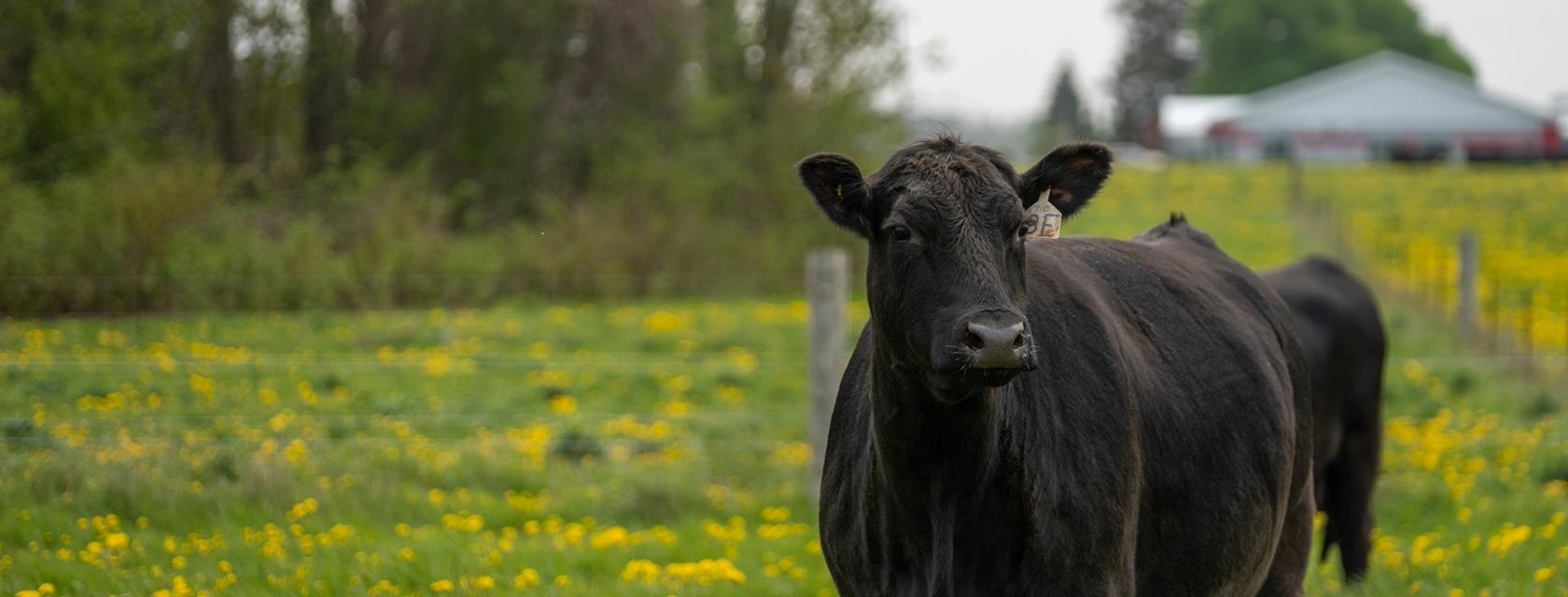
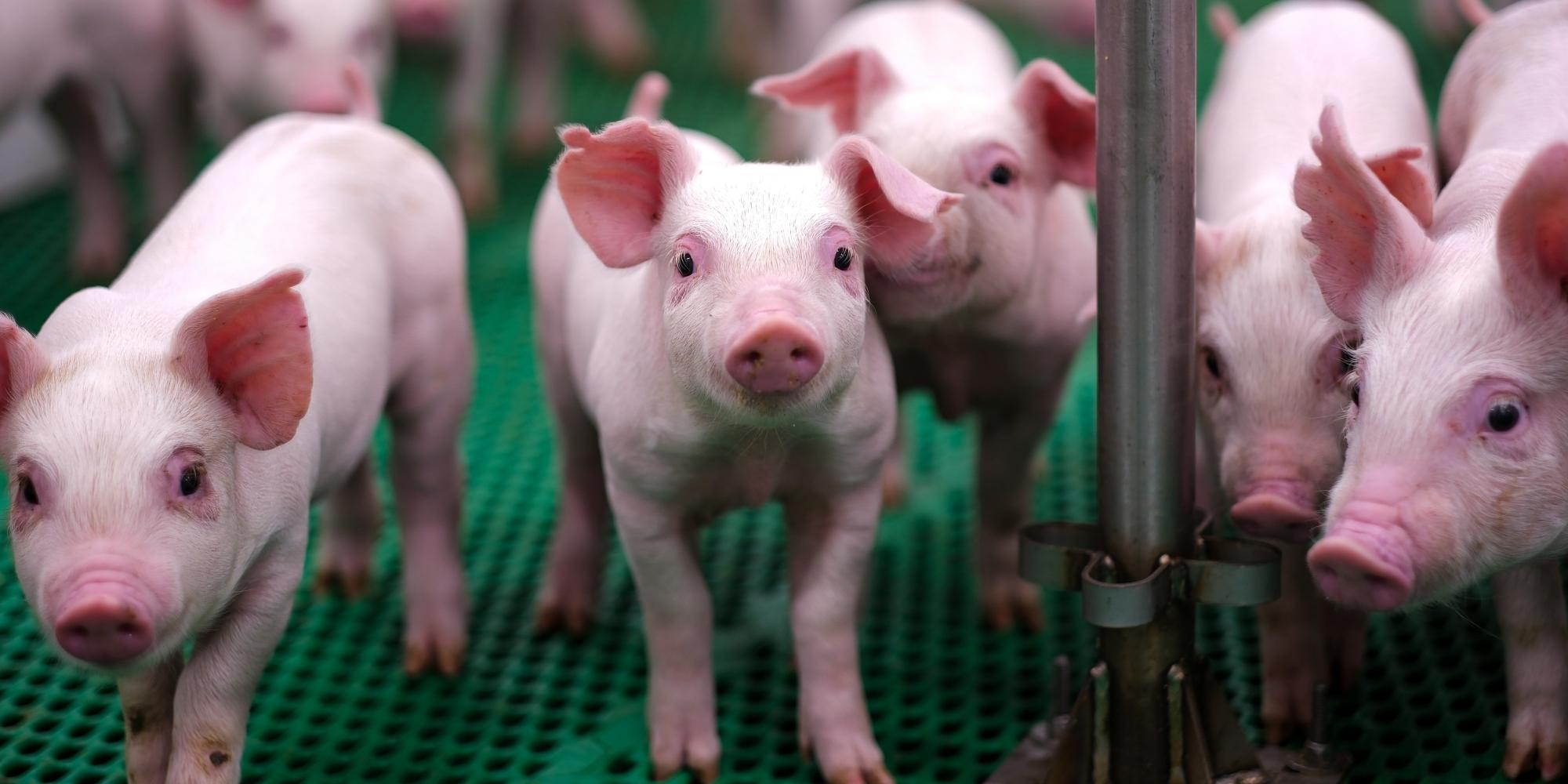
Through advanced diagnostics, data-driven surveillance and solutions-focused research, U of G research is helping Ontario anticipate, manage and respond to disease threats, climate pressures and changing global dynamics. This case study demonstrates how surveillance tools support earlier detection, faster response, and stronger livestock-sector resilience.

U of G research will help farmers grow wheat using fertilizer more efficiently while strengthening soil health and the wheat microbiome. By working across the supply chain, the team will develop solutions that are realistic for farmers to implement, while ensuring food companies can continue producing high-quality baking products.
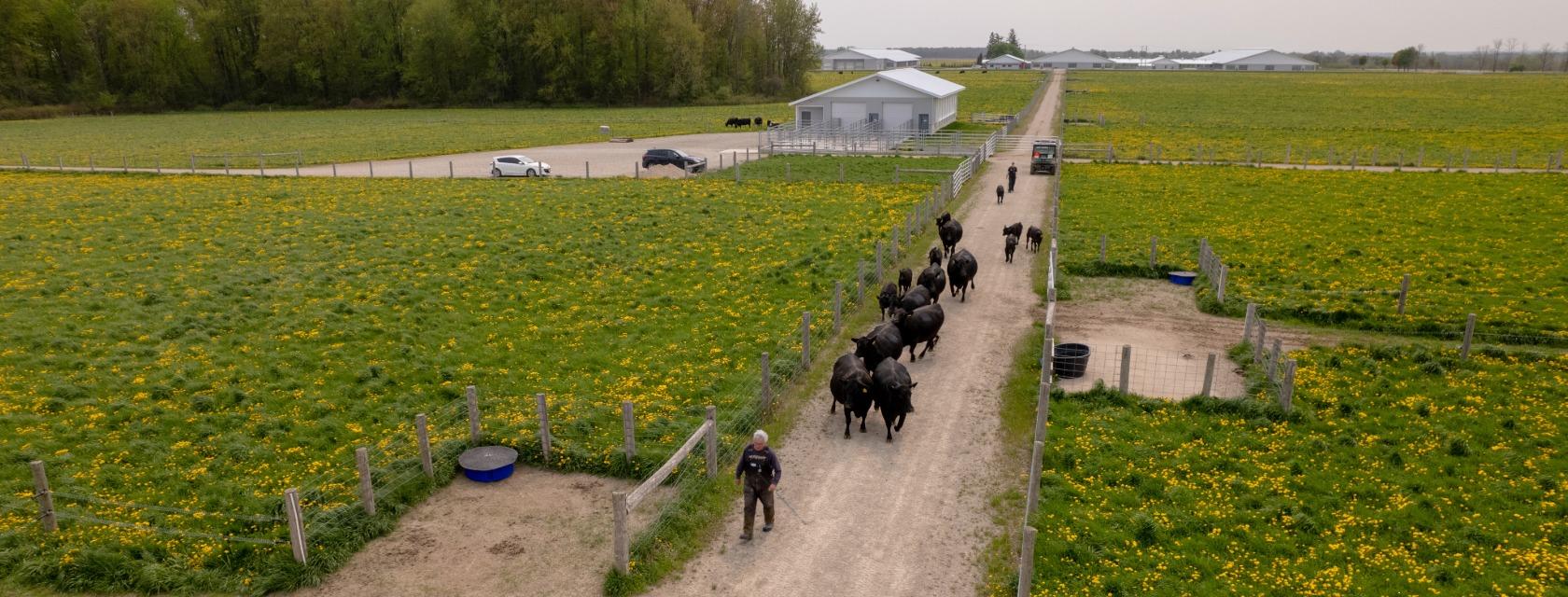
Economic modelling equips government and the agri-food sector with tools to anticipate risks, assess policy options and respond effectively to disease outbreaks, market disruptions and trade barriers. By investing in this work before another crisis unfolds, the province strengthens its ability to protect producers and their access to export markets.
Strengthening the agri-food economy
Ontario’s agri-food sector is facing a period of unprecedented change driven by economic uncertainty, global competition, climate pressures, shifting trade dynamics and evolving consumer demands.
The Alliance helps turn that complexity into opportunity. Leveraging University of Guelph expertise, the Alliance delivers practical solutions that improve productivity, support healthier crops and animals, reduce costs and strengthen business competitiveness — helping to strengthen Ontario’s agri-food sector today while preparing for what comes next.

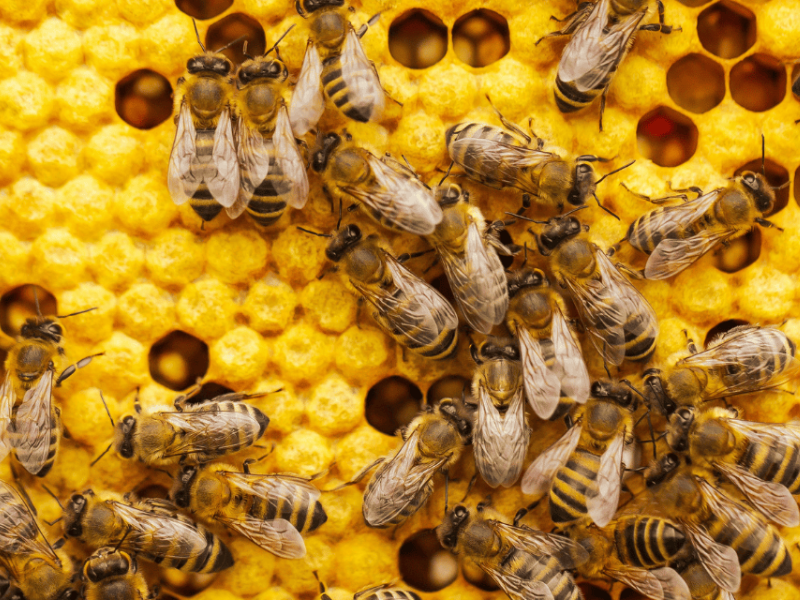
Bringing a made-in-Guelph livestock technology to the global market
- The Alliance moves research from discovery to market, developing and commercializing innovations that save farmers money and support healthy, productive animals.
- U of G professor Dr. Bonnie Mallard developed high-immune response (HIR™) technology over three decades, relying on a network of funding and services, including the Alliance, Genome Canada, NSERC, Canadian Dairy Network and Semex.
- Immunity+® genetics generated more than $130M in sales in over 80 countries during its first six years.
- The U of G Research Innovation Office supported Mallard's team along the way.
- The technology saves dairy producers hundreds of dollars per cow per year.



Growing a skilled agri-food workforce
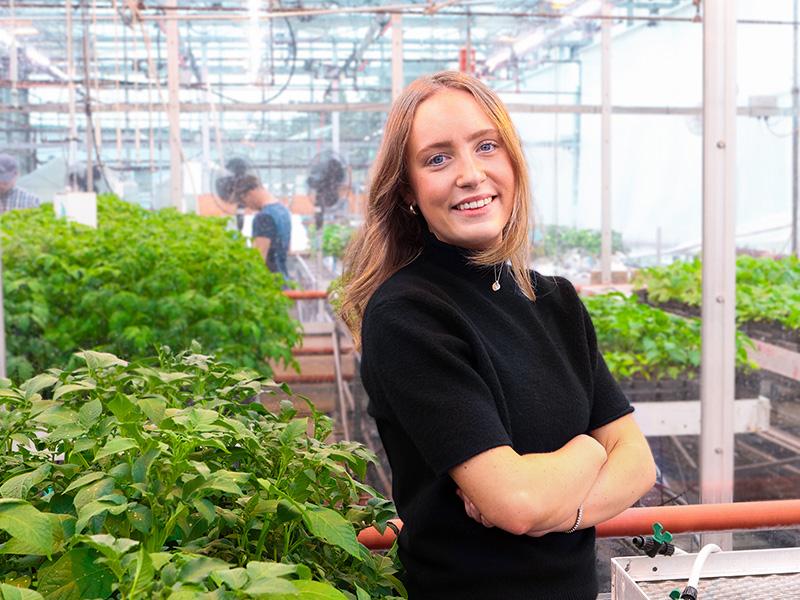
Ontario’s agri-food sector needs highly qualified professionals who can combine scientific expertise, technology and industry knowledge to help address complex production challenges and keep the sector competitive.
The Alliance leverages U of G's unique history and expertise to deliver hands-on training that prepares the next generation of agri-food leaders to meet evolving sector needs. Here are some of their stories.
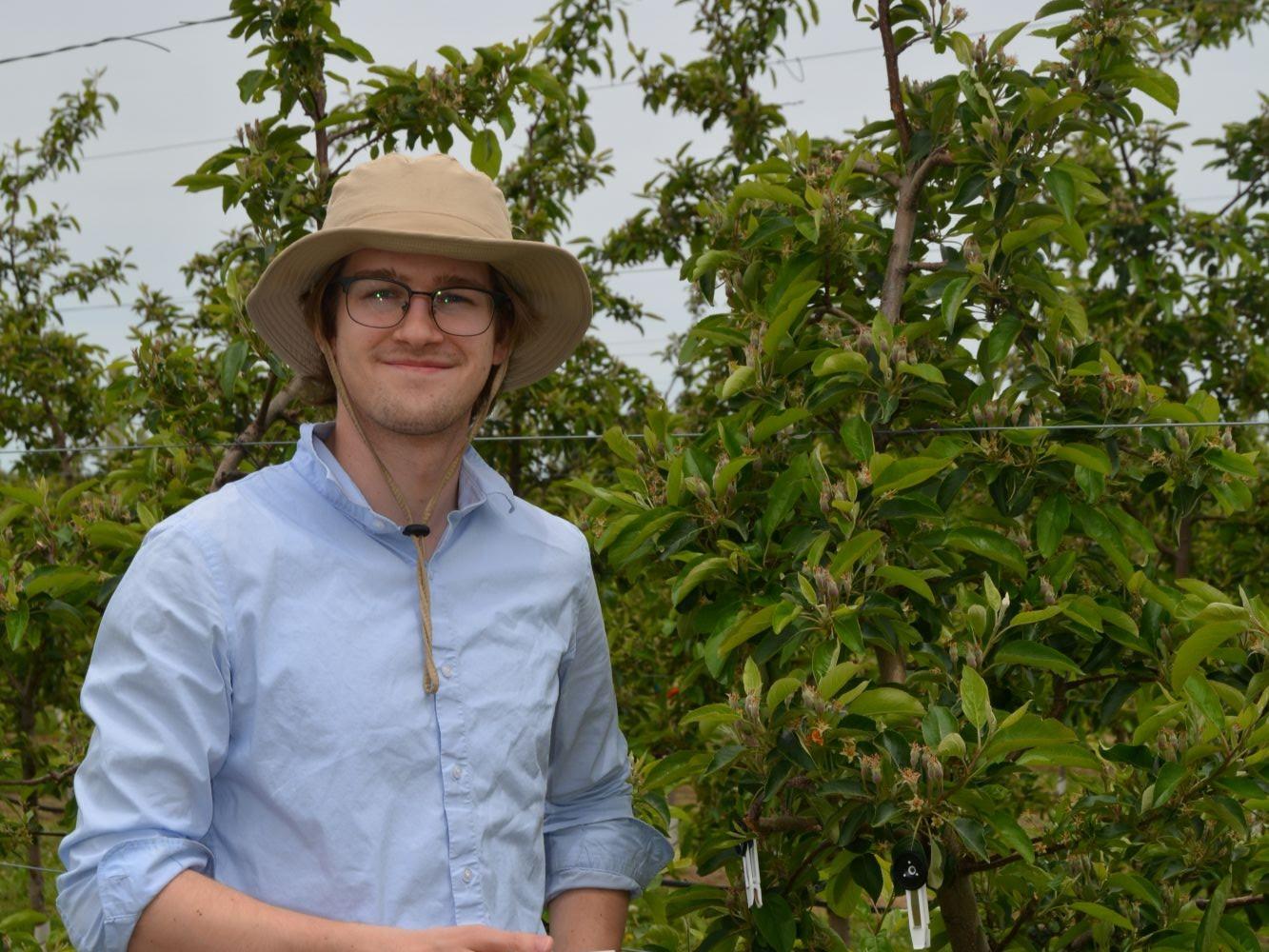
Beyond the orchard: Apple trial as a blueprint for research excellence and real-world results
- Through this student-led research project, MSc candidate Owen Rowland is gaining hands-on experience in horticulture, precision agriculture and applied research.
- He is working alongside leading academic and industry experts to develop practical solutions for Ontario apple growers.
- Rowland’s work is determining how producers can successfully incorporate a new chemical thinning compound.
- This project is an example of how Alliance projects build technical, analytical and leadership skills while advancing practical solutions for producers.


Innovating for Ontario's farmers
Collaboration and innovation are essential for driving agri-food forward in Ontario. New technologies—developed through the Alliance—improve productivity and support sustainable farming practices. Field testing at Ontario Agri-Food Research Centres helps companies adapt technology to Ontario markets and de-risks adoption for farmers. These examples illustrate how U of G research addresses challenges with on-farm solutions for a strong, competitive sector.

Could drone seeding solve a key Ontario crop rotation challenge?
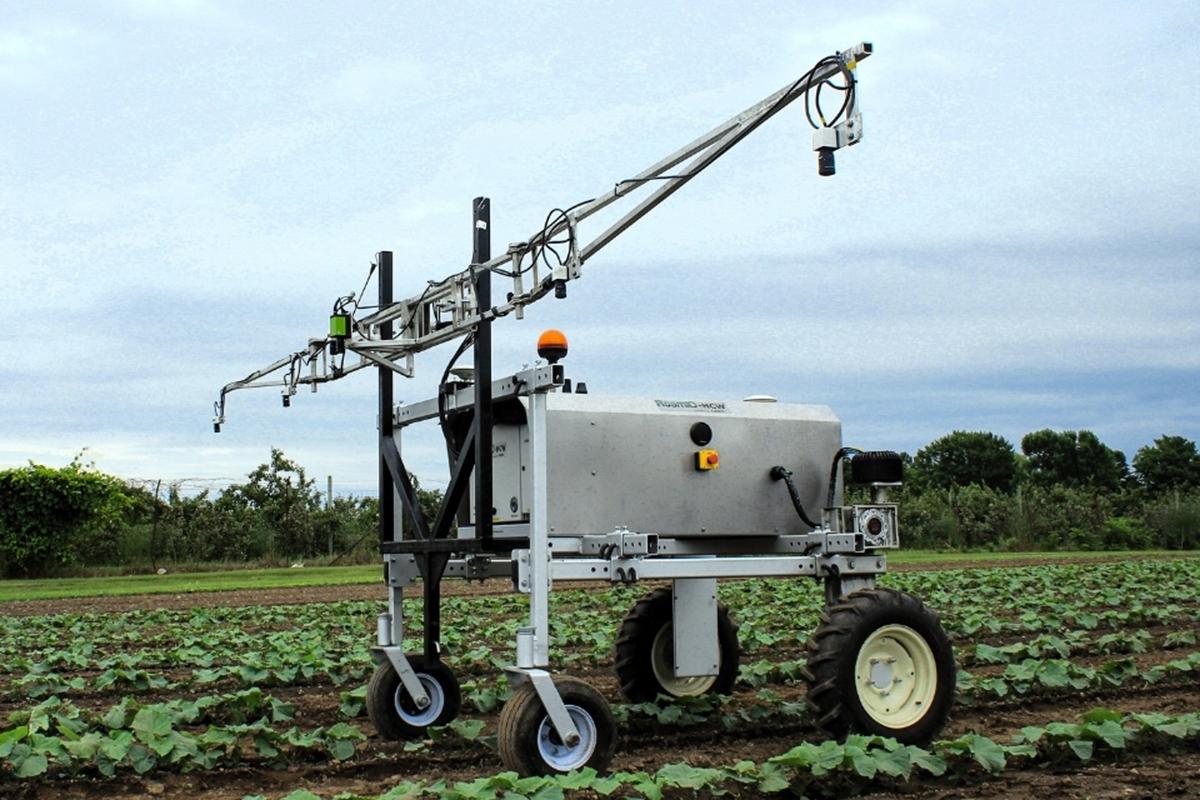
- The Alliance develops and tests new agricultural technology to solve challenges faced by Ontario farmers.
- For field crop farmers, planting dates are vital for high yields in corn and wheat. It is also important to keep winter wheat in rotation with corn and soybean.
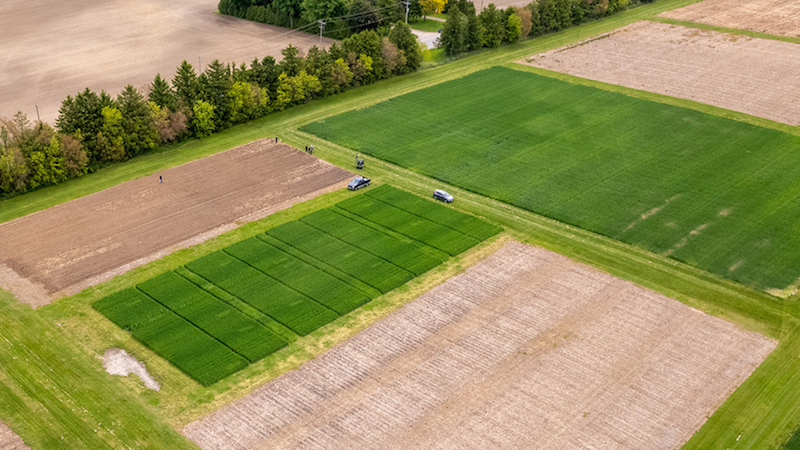
- University of Guelph researchers Dr. Joshua Nasielski and Ian DeSchiffart are evaluating the feasibility of using drones to broadcast winter wheat into standing soybeans, addressing a key Eastern Ontario challenge where wheat seeding dates can conflict with soybean harvest timing.
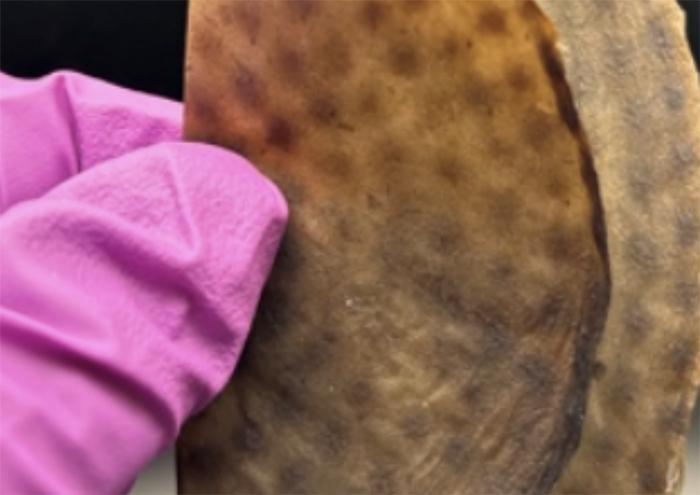
- They are collaborating with the University of Waterloo on a biodegradable seed coating to improve seed establishment.

Securing a safe, healthy, Ontario food supply
Food safety and security depend on research, surveillance, diagnostics, compliance and risk response across the food chain. Alliance investments bring together veterinary capacity, laboratory testing and innovation to secure Ontario's food system—helping producers and businesses respond to risks, protecting product quality, and supporting a safe, trusted food supply.

Protecting the pint: How the Agriculture and Food Lab is helping beer, wine and beverage producers stay ahead of spoilage
- Alliance investments help food and beverage producers respond to emerging risks, protecting product quality and supporting a safe and trusted food supply for Ontarians.
- Spoilage organisms can compromise the quality of beer and other beverages.
- AFL works proactively with beverage producers and offers customizable testing to support the sector.
- Ontario craft breweries generate $683 million of economic activity annually. More than 11,000 people are employed as part of this activity.



By the numbers
Delivering research for a resilient agri-food sector
- 68 new, demand-driven projects
- poised to deliver solutions for Ontario’s farmers and agri-food sector
- $86 million
- attracted by U of G researchers for agri-food and rural projects that support Ontario
- 52 patents + licences
- protect Ontario’s agri-food innovations and help bring ideas to market
Leveraging U of G expertise and partnerships
- 450 University experts
- conducting research that supports Ontario agri-food, representing more than 50 per cent of U of G faculty
- More than 650 staff, including technicians
- innovating and building resilience across Ontario’s agri-food sector
- 261 partners
- working with U of G researchers on Alliance-funded agri-food and rural projects
Protecting Ontario's food system
- 1,409,000 tests
- completed by the Animal Health Laboratory help protect animal and human health
- 1,551,696 tests
- completed by the Agriculture and Food Laboratory ensure Ontario has reliable food safety data
- 99.92% compliance
- in regulatory testing for Ontario’s food safety programs, keeping our food supply safe and secure
Training the next generation
- 472 students
- involved in research projects, gaining job-ready skills to become the next generation of agri-food leaders and teammates
- 6,926 farmers
- and members of the agri-food community trained in safe pesticide use, manure application and field drainage
- 520 veterinary students
- trained in One Health and food animal care