Earth Day: Energy Solutions Taking Shape at the University of Guelph

The theme for Earth Day 2026 focuses on promoting renewable and clean energy. Reducing reliance on fossil fuels remains a global priority, and progress is being driven by research that improves how energy is produced, stored and used.
At the University of Guelph, faculty are contributing to that shift through work that supports cleaner, more practical energy systems.
Generating Hydrogen from Water
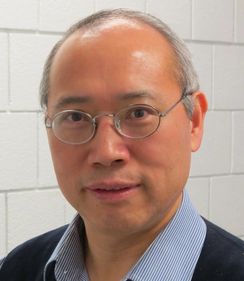
Hydrogen continues to be explored as a clean energy source. It is abundant and produces no emissions at the point of use, but challenges remain in producing it efficiently and at scale.
Dr. Aicheng Chen’s research addresses this issue by developing more cost-effective ways to generate hydrogen from water. His team is investigating alternative materials that can replace expensive catalysts traditionally used in the process.
Improving the efficiency and affordability of hydrogen production is an important step toward broader adoption. Applications range from transportation to large-scale energy storage.
His team has also recently published new research examining microbubble behaviour during electrolysis in greater detail, Using Machine Learning and In Situ Microscopy to Track Microbubble Dynamics during Electrolysis.
Chemical Reactions for Clean Tech

Many clean energy technologies depend on chemical reactions that occur at very small scales. Understanding these reactions is essential to improving system performance.
Dr. Leanne Chen’s research uses computational methods to study how these processes behave. Her work supports the development of more efficient batteries, fuel cells and energy storage systems.
It also contributes to reducing unwanted byproducts in chemical processes. This has implications not only for energy, but for manufacturing and agriculture, where efficiency and environmental impact are closely linked.
Alternative Energy and Carbon Capture

Reducing carbon emissions is a key part of the transition to sustainable energy. In addition to limiting output, there is growing interest in capturing and reusing carbon dioxide.
Dr. Khashayar Ghandi’s research explores non fossil fuel-based energy technologies such as nuclear energy, and solar energy, as well as exploring how CO₂ can be captured and incorporated into new materials and products.
This approach supports efforts to reduce the environmental impact of industrial activity while creating more sustainable alternatives.
His work also includes the development of tools for environmental monitoring, such as sensors that detect pathogens. These applications contribute to a broader understanding of environmental and public health.
Nuclear Energy Improvements
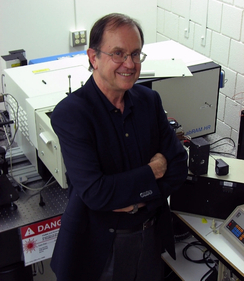
Nuclear energy remains an important source of low-carbon electricity. Ongoing research is required to maintain and improve the performance of these systems.
Dr. Peter Tremaine’s work focuses on the chemistry of water under high-temperature and high-pressure conditions found in nuclear reactors. This research supports the safe and efficient operation of existing systems.
It also contributes to the development of emerging technologies, including small modular reactors, as well as related areas such as nuclear waste management and carbon capture.
Looking ahead
The transition to renewable energy involves a range of approaches. Hydrogen production, energy storage, carbon capture and nuclear systems all play a role.
Research in these areas continues to improve efficiency, reduce environmental impact and support the development of practical energy solutions.
Together, these efforts contribute to a more sustainable energy future.