Designing Solutions That Matter: A U of G Computer Science Student’s Journey
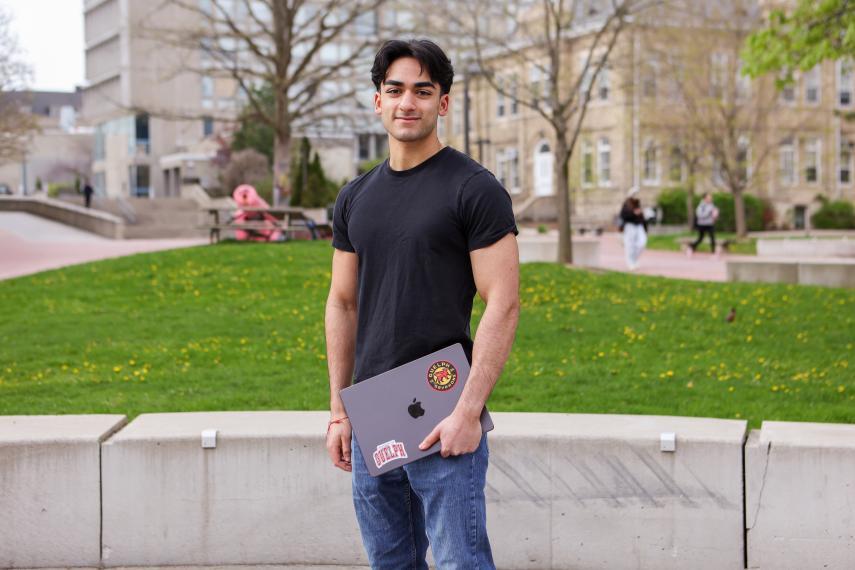
A University of Guelph computer science student is turning classroom learning into meaningful impact, contributing to software that supports environmental and food analysis while building the skills to shape the future of technology.
Pareesh Madan, a Computer Science student at the University of Guelph, is currently completing his second co-op term as a software developer at MANTECH. Through his work, he is helping develop systems used in laboratories to analyze water, soil and food, demonstrating how students can contribute to solutions that matter beyond the classroom.
Building real systems with strong foundations
For Madan, the transition from coursework to industry has been about applying strong fundamentals. His studies built a solid base in programming and problem-solving, while hands-on projects helped him learn how to think like a developer.
“Projects taught me how to break down problems, debug effectively, and build solutions that actually work in practice,” he says.
That mindset carries over into his co-op, where he can take on new challenges and build solutions that have real impact.
Building technology that supports critical work
At MANTECH, Madan works on software that powers laboratory analyzers used in environmental and food testing. These tools play a role in ensuring the accuracy and reliability of data used in areas connected to public health and sustainability.
His role spans both backend and frontend development, where he helps build new features, improve how the system handles data, and refine the overall user experience.
“I’ve been working on improving how the system processes scripts and data, as well as enhancing performance and usability,” he says.
His contributions help make the software more reliable and efficient, showing how student developers can play a direct role in advancing important technologies.
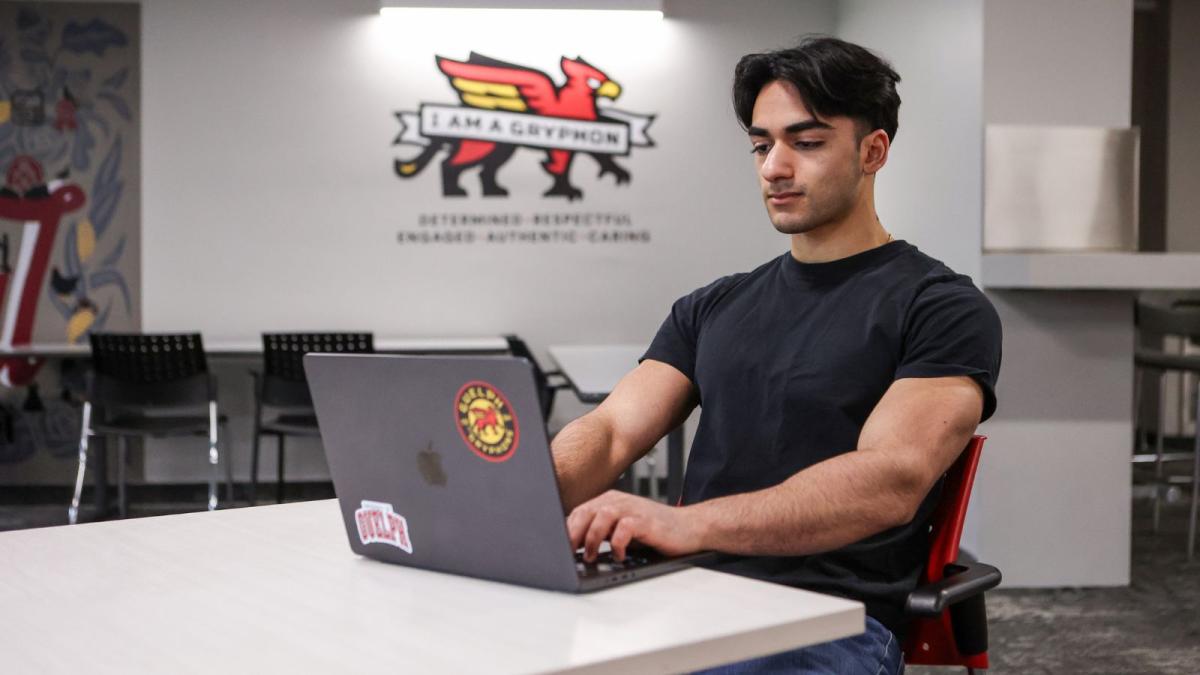
Growing through diverse co-op experiences
Madan’s path has already taken him across different areas of software. In his first co-op at CIBC, he worked in quality assurance, gaining insight into testing and system reliability at scale. That experience now shapes the way he approaches development.
“It gave me a strong understanding of how important reliability and attention to detail are,” he says.
At MANTECH, he has built on that foundation, stepping into a development role where he is designing and improving features. The shift has allowed him to develop a broader perspective on how software is built, tested, and maintained.
Skills that shape future developers
Through his co-op experiences, Madan emphasizes the importance of problem-solving, communication, and adaptability. He notes that being able to navigate unfamiliar challenges and learn quickly is essential in a fast-moving field.
“Being able to break down problems and ask the right questions makes a big difference,” he says.
These skills, combined with writing clean and maintainable code, are what allow students to grow into impactful contributors early in their careers, Madan says.
As he continues his journey, Madan is focused on growing as a software developer, with interests in backend and full-stack development. He is particularly drawn to building scalable systems and contributing to projects with real-world impact.
A learning environment that builds confidence
Madan points to the balance of theory and application in his studies as a key part of his growth. Courses have pushed him to think more critically and approach problems in a structured way, while giving him the confidence to take on more complex challenges over time.
That combination of academic learning and co-op experience has helped him see the bigger picture of software development and the role it plays in solving real problems.