Improving the Livestream Experience for Global K-pop Fans
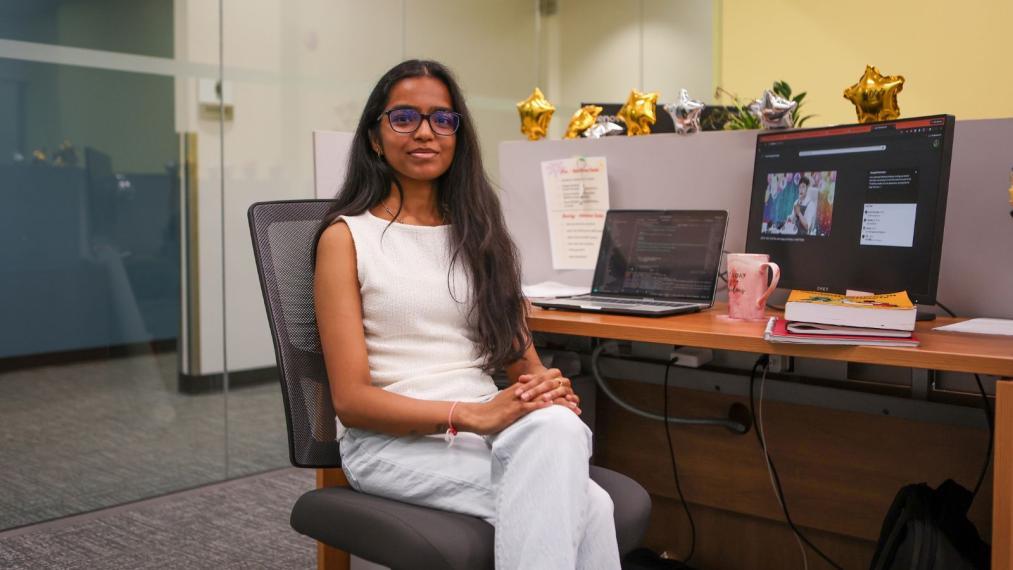
For Mahek Patel, M.Sc. Computer Science master’s student in the School of Computer Science at the University of Guelph, research is about designing technology that helps people feel more connected. Specializing in Human-Computer Interaction (HCI), Mahek is exploring how artificial intelligence can improve the livestream experience for global K-pop fans who face language barriers while engaging with their favourite artists.
Mahek's journey into research began during her undergraduate studies in Software Engineering at the University of Guelph. As an Undergraduate Research Assistant working with Dr. Stacey Scott, she was introduced to the world of academic research through a project examining the experiences of global K-pop fans. The experience sparked her interest in HCI and ultimately inspired her to pursue graduate studies.
“Working alongside Dr. Scott challenged me to expand my horizons and develop new research skills,” Mahek says. “I learned how to interview users, analyze qualitative data, and present research findings at conferences.”
At the centre of Mahek’s research is a challenge familiar to many international K-pop fans: Livestreams allow fans to interact with artists and fellow viewers in real time, but the fast-moving, multilingual nature of live chats can make participation difficult for those who do not speak Korean.
Through interviews with global K-pop fans, Mahek found that many viewers rely on translation apps, social media posts, emojis and comments from multilingual fans to understand livestream content. Some even use multiple devices at once to follow fan translations while watching the broadcast. While these strategies help, they can also increase cognitive overload and distract fans from the livestream itself.
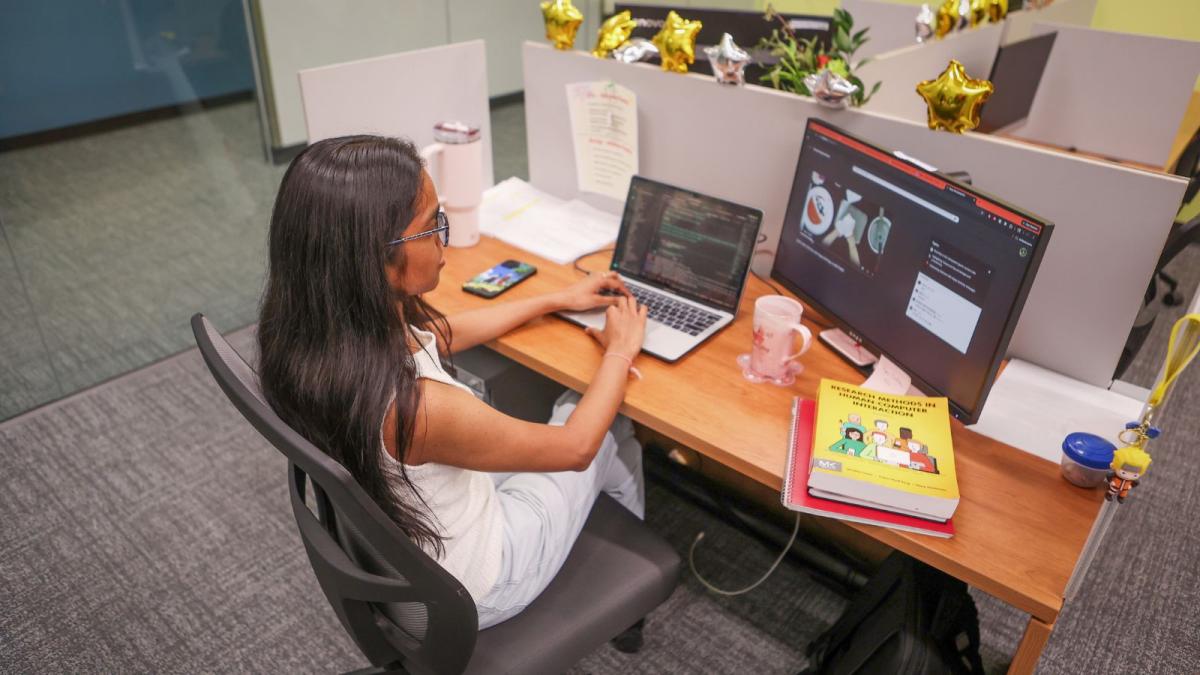
To address these challenges, Mahek designed an AI-powered Live Chat Summary feature that generates real-time summaries of multilingual live chat conversations. Using a Large Language Model, the system transforms thousands of rapidly appearing messages into concise summaries that help viewers understand the main themes being discussed.
The prototype includes two summary formats: a paragraph-based summary and a bullet-point list of key discussion topics. Positioned above the live chat, the feature allows fans to stay informed about ongoing conversations without constantly monitoring the chat feed. Viewers can also close the summary if they prefer the traditional livestream experience.
“The goal is to turn the chaos of live chat into comprehension,” Mahek explains. “By helping fans quickly understand what the community is discussing, they can focus more on the artist and enjoy the livestream experience.”
Beyond K-pop, Mahek believes the technology has broader applications across livestreaming platforms, including gaming, esports and content creation. AI-generated chat summaries could help viewers quickly grasp discussions and engage more effectively with online communities.
Mahek has presented her work at conferences, built connections within the HCI research community, and found a supportive network of fellow graduate students and faculty members. She also participated in U of G’s Three Minute Thesis competition in 2026. Presenting her research to a large audience was both exciting and rewarding, helping her strengthen her public speaking skills while refining how she communicates complex research ideas in an accessible way.
Reflecting on her experience at U of G, Mahek credits the University’s supportive research environment, mentorship from her supervisor and collaborative community for helping her grow as both a scholar and a person.
As she prepares to complete her master’s degree, her work highlights the potential of human-centered AI to make digital spaces more accessible, inclusive, and engaging for users around the world.