Aotearoa New Zealand Field School: Histories, Cultures, and Politics of an Evolving Indigenous-Settler Biculturalism | Study Abroad
The focus of the field school is comparing history, politics, and culture in Canada and Aotearoa New Zealand (Aotearoa is the Māori-language name for New Zealand). The school will benefit from tours, field trips, interactive seminars, lectures, and meetings with local Indigenous and other leaders on site in Auckland and Wellington.
Aotearoa New Zealand is a cultural and political innovator, with many lessons to teach Canada (both positive and negative) as we develop pathways of conciliation between Indigenous and settler peoples. ANZ, located in the south Pacific, was founded by te Tiriti o Waitangi (1840), which determines many aspects of the country’s vibrant political and cultural life. NZ has a much larger Indigenous population than Canada (18%), together with large Pacific and Asian populations. Te Reo Māori has been an official language since 1987, and forms of biculturalism and co- governance have developed between Tangata Whenua (people of the land) and Tangata Tiriti (people in Aotearoa because of the Treaty). ANZ has seen innovations in representation (the first country where women had the right to vote, an MMP electoral system, and guaranteed seats for Māori in Parliament and on local electoral bodies).
A strong Indigenous resurgence since the 1980s has led to prominent roles for Māori in all levels of national life. A European settler identity as Pākehā has also developed. Despite many positive developments, ANZ is also marked by stark economic and social inequalities which have had an inordinate impact on Māori. As well, the current government is seeking to reverse many of the previously hard-won gains. This Field School will introduce students to Aotearoa, its histories, cultures, and evolving identities. ANZ has charted its own pathway to conciliation, with instructive lessons for Canada.
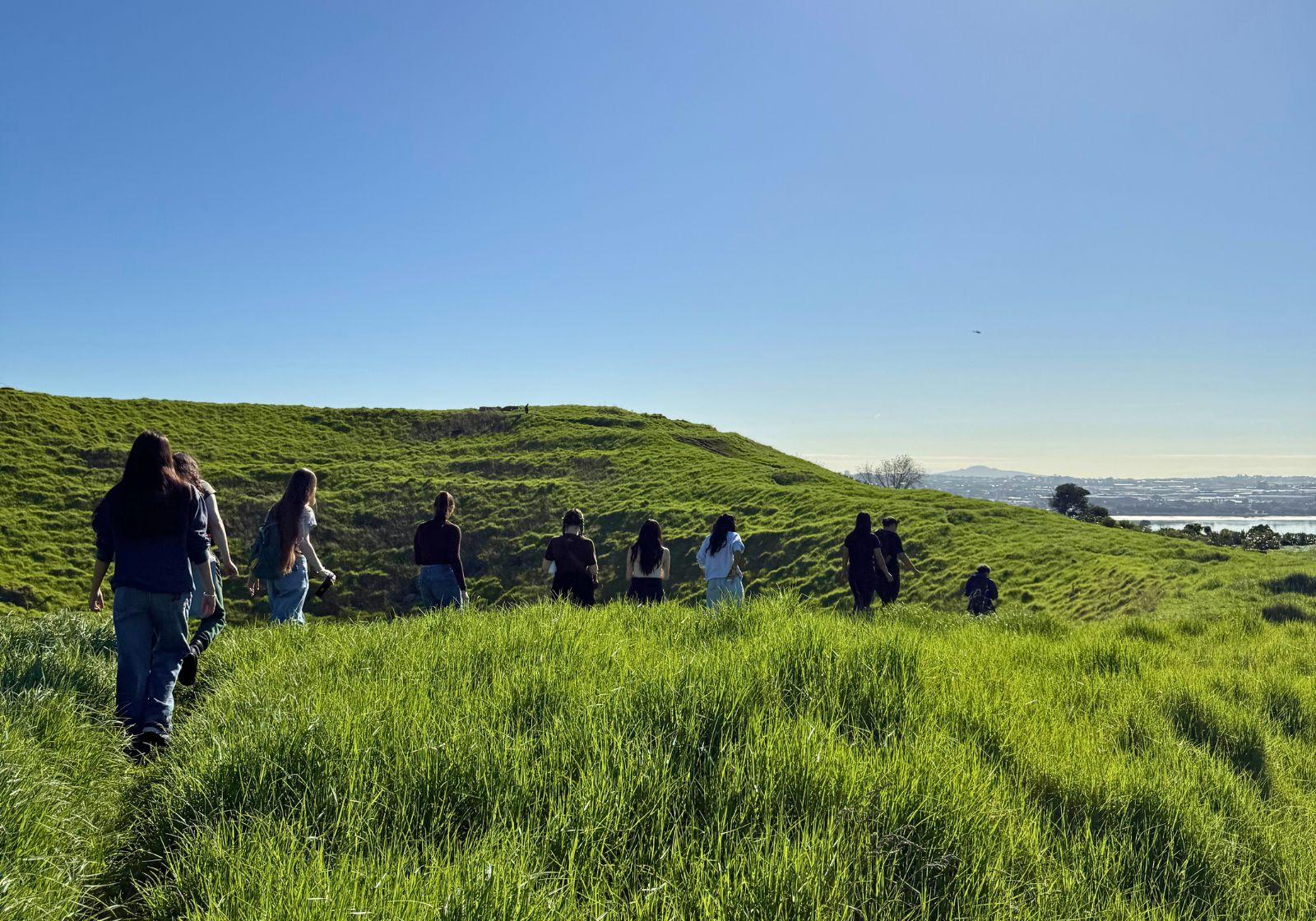
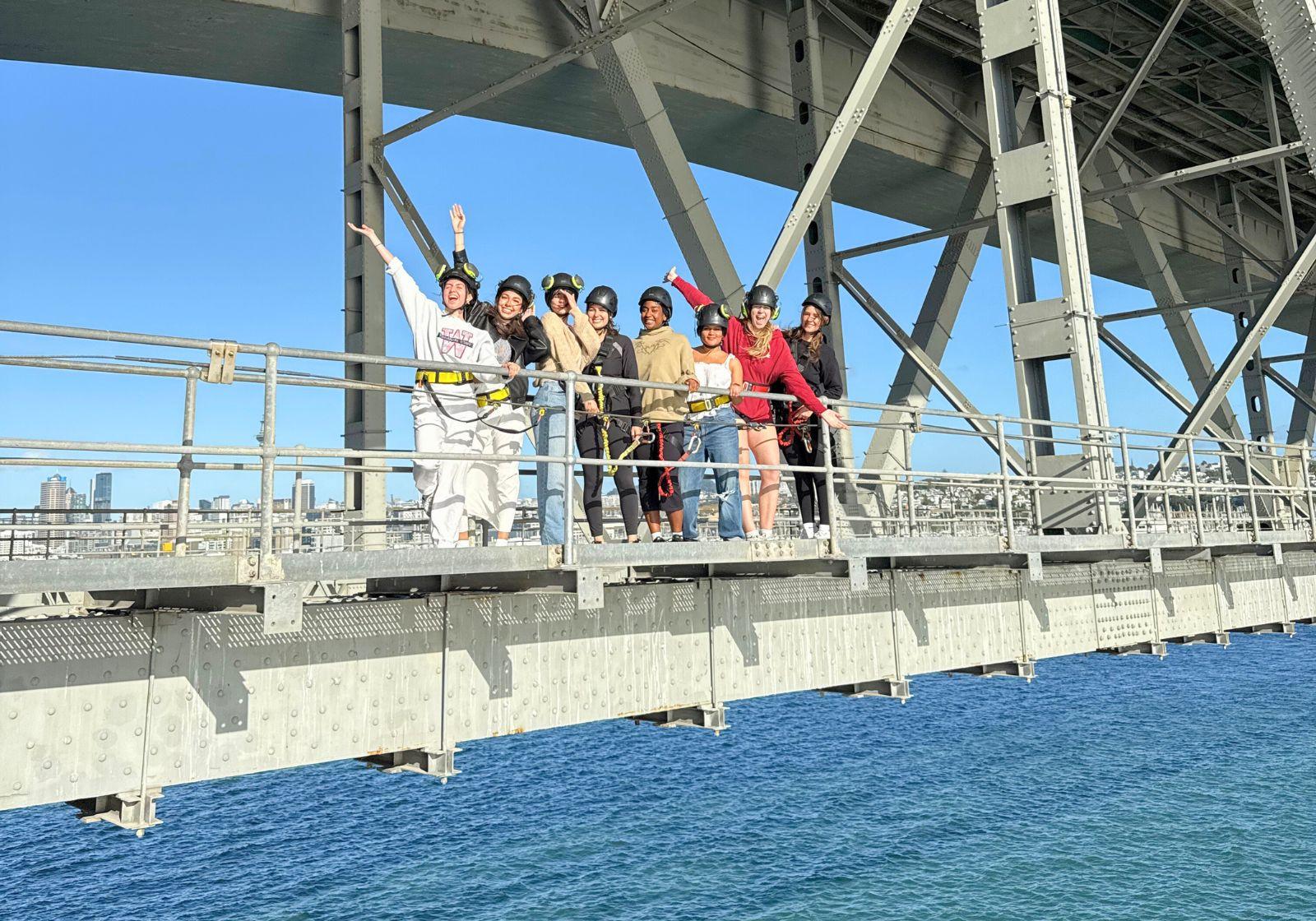
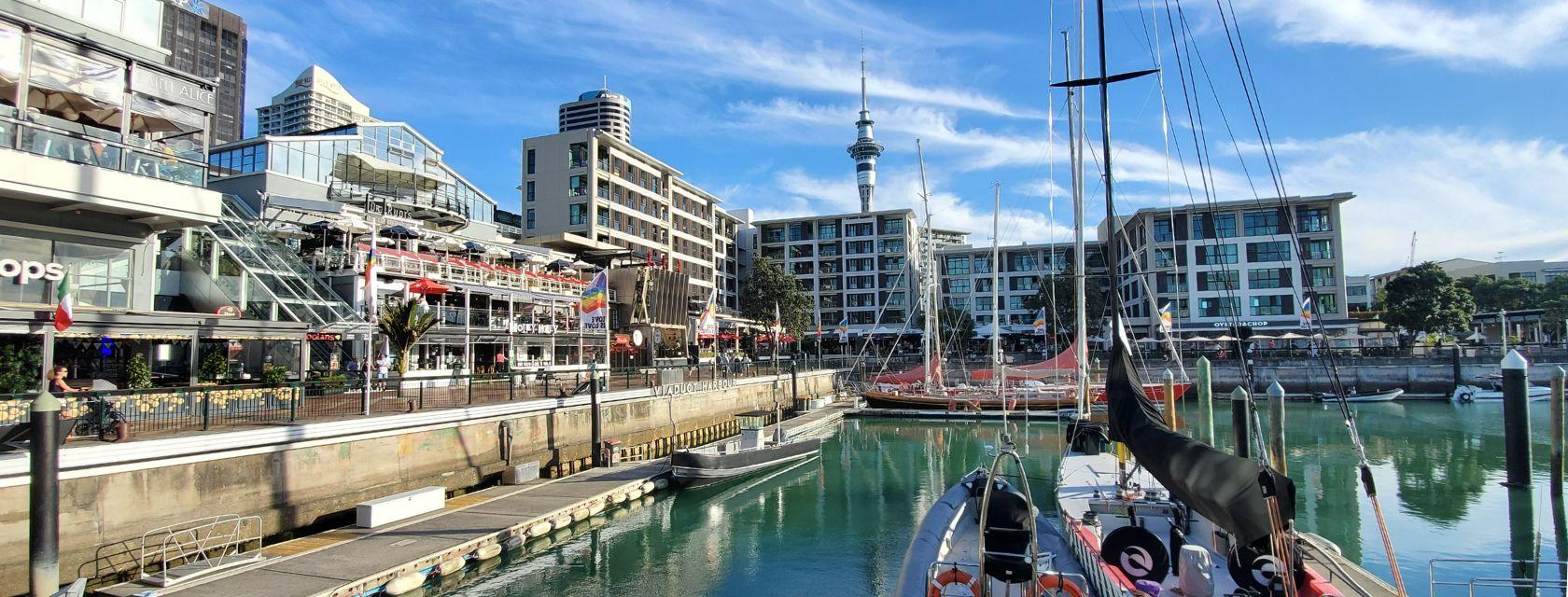
Most of the field school takes place in Auckland, ANZ's largest and most ethnically vibrant city, with large Māori, Pacific, Asian and South Asian populations, plus roughly 6 days in the capital, Wellington. Students will learn some Te Reo Māori, meet with Indigenous Māori and Pacific academics, community leaders, and elected officials, tour archaeological and historical sites, visit museums, take part in workshops, and meet with MPs and cabinet ministers.
Overview
Location: Aotearoa New Zealand
Term: Summer 2027
Dates (Tentative): May 10–28, 2027
Pre-departure class: Yes
Credits: 1.0 social science credits at the third-year level
Instructor: Dr. David MacDonald, Political Science
Group size: Maximum 15 students

Information Session
Learn more about the Aotearoa New Zealand School at our upcoming info session.
Date: Thursday, Oct. 29, 2026
Time: 5 to 6 p.m.
Location: Online
Virtual option: View on GryphLife
Missed the information session? Contact Dr. David MacDonald to learn more.
Eligibility
Students applying for the program must have completed a total of 7.5 undergraduate credits by the time the program begins (or permission from the instructor) andmust have a 70% cumulative average.
The program is open to students from all disciplines at the University of Guelph.
Costs
Students should budget for the following:
Round-trip airfare, Toronto–Auckland: approximately $2,600
Tuition at the University of Guelph for 1.0 credits
The NZ Field School fee: approximately $2500 (includes accommodations, field trips in NZ, and some in-country travel). Amount is subject to change based on fluctuating exchange rate.
Meals: approximately $1,100
Taxis, Uber, ferry estimated at $500
Visitor visa for NZ: $175
Mandatory travel health and emergency insurance through the company GuardMe ($1.65 / day)
Personal expenses (souvenirs, additional personal excursions, etc.)
Looking for funding? Learn about U of G Travel Grants.