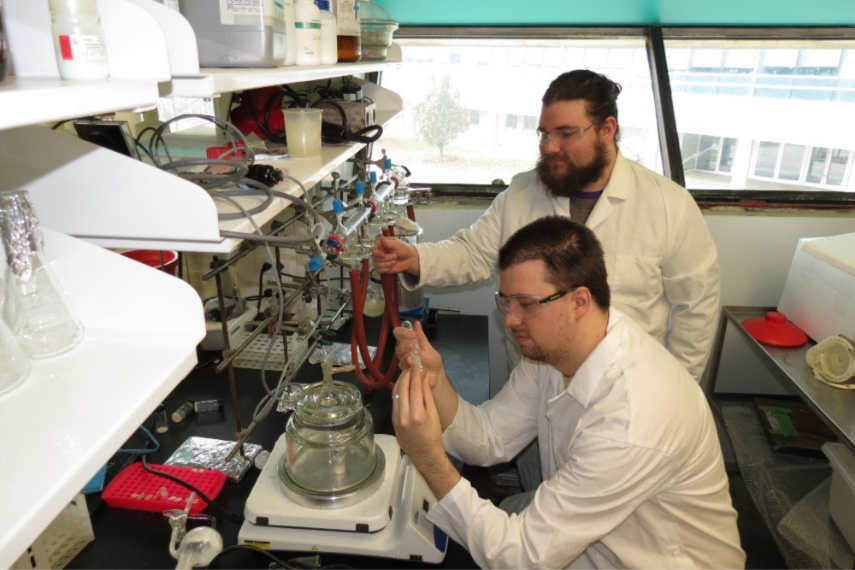
Creating Compounds for New Cancer Treatments
The production of key chemical compounds could aid in the development of new cancer therapies
The COVID 19 pandemic demonstrated a multitude of human behaviours that can drive the spread of disease. From mask-wearing, social distancing, vaccine hesitancy to pandemic fatigue. Government and health agencies struggled to keep up with policy, as the science and the population’s willingness to adopt changed.
Don't underestimate the power of social media! Social media is no longer just a place for selfies and memes. Dr. Rozita Dara, from the School of Computer Science, has recently unlocked a fascinating use of Twitter that could change the face of disease surveillance and management. This new method involves the analysis of Twitter data, aiding in predicting disease trends and gauging public perception toward health policies.
A Leap in Public Health Management Through Machine Learning
Due to our recent experience with the COVID-19 pandemic, it is perhaps clearer than ever that accurate and early detection of epidemics is of critical importance. When the first signs of an epidemic arise, measures can be put into place to help mitigate the spread of illness. This may include public health messaging to wash your hands, stay home if unwell, and reminders to get vaccinated. However, the effectiveness of these measures depends on a timely identification of an approaching epidemic.
Researchers develop a strategy for analyzing incomplete data sets
Missing data is a common and challenging problem in a broad range of scientific studies. This is particularly true in the analyses of real-world data. For example, in the study of biological systems it is difficult to completely sample a population with a wide variety of traits (characteristics like body size, age and habitat). It is impossible to sample everything, and missing data is almost inevitable.
AI-driven deep learning transforms aging analysis of crucial infrastructure, enhancing longevity.
A Groundbreaking Approach to Pipe Degradation
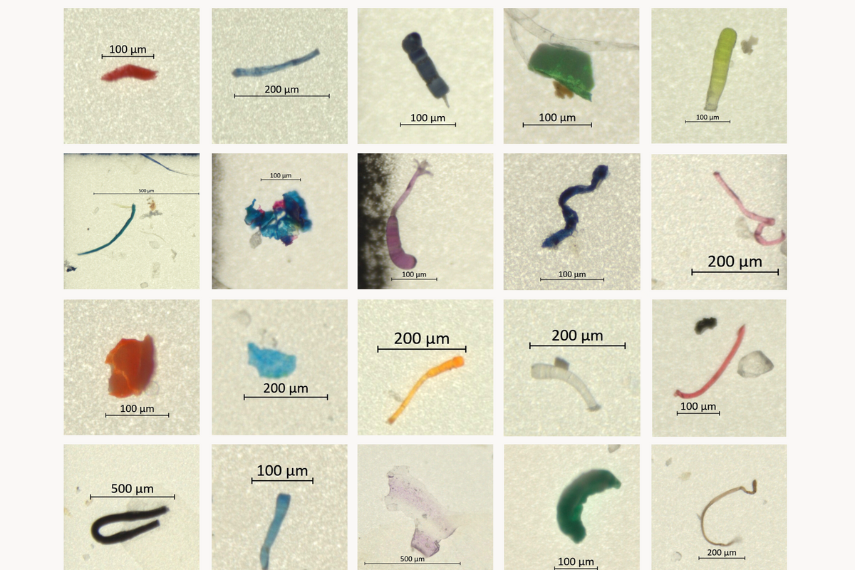
Unraveling the plastic threat hidden in our waters, Dr. Chang’s team has revolutionized the way we isolate, identify, and combat microplastic pollution.
Global climate change is a hot topic in today's world, and it is easy to feel overwhelmed and helpless when we hear about its devastating effects. However, there is hope! Researchers from the University of Guelph, including Dr. Aicheng Chen, from the Chemistry Department, and Dr. Abdallah Elsayed, from the School of Engineering, have developed an innovative solution to reduce carbon dioxide (CO2) levels and combat climate change.
Are you ready to learn about cutting-edge technology that is revolutionizing the way we design digital circuits? Say hello to FPGAs - the Swiss Army knife of computer chips!
Applying small changes to current theories could have a big impact.
When it comes to testing the limits of what we know about the nature of the universe, nothing quite compares to black holes. These objects have extremely large masses packed into a very tiny space, exerting a gravitational pull so strong that space and time are warped around them and not even light can escape their grasp.