Faster ID for improved food safety
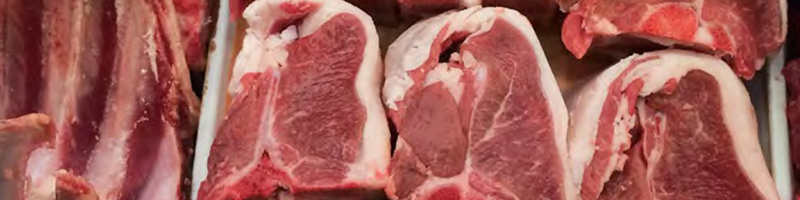
Reliable identification tests for E. coli ensures beef trade continues.

Escherichia coli (or E. coli) bacteria are widely distributed in nature. More than 700 distinct types (also called serotypes) have been identified. Most strains are harmless, and some are beneficial.
But others are responsible for outbreaks of food-borne illness. One particular group produces Shiga toxin, nasty substances which are very similar to the toxins produced by the Shigella dysenteriae bacteria that cause dysentery. These Shiga toxin-producing E. coli (or STEC) are the ones most often reported as the cause of food contamination.
The most notorious of the STEC group is the O157:H7 serotype. It can be easily identified with current laboratory tests. Of the many that produce the same toxin, at least six other serogroups of STEC are considered significant. They are more difficult to identify because they don’t have any unique biochemical characteristics to distinguish them.
The current laboratory process of identification is not always reliable. In the case of an outbreak or suspected contamination, reliable identification, time and confirmation of the pathogen involved are key to containing the situation.
The need for accurate identification has recently become more compelling. Current Canadian regulations under the Food and Drug Act require certain beef products exported to the U.S. be certified free of the top seven STEC strains. In 2014, Ontario shipped $780-million worth of red meat to the U.S. To continue to do so for certain meat exports, Canadian abattoirs will need a reliable test that proves the meat is free of these top seven STEC.
Dr. Shu Chen of U of G’s Agriculture and Food Lab (AFL) has been working with Dr. Roger Johnson of the Public Health Agency of Canada to solve this problem. Together they have recently developed a comprehensive approach to detect and identify the STEC serogroups from foods. But the approach needs to be validated before it can be accepted for Canadian food safety regulations.
Using an OMAFRA Food Safety Research Program grant, the new approach will now be tested against the existing reference procedures. If it’s proven to be valid, it can be made available to the Canadian food industry and laboratories, ensuring reliable results, saving time and money, and reducing risk to the public.
In 2014, Ontario shipped $780-million worth of red meat to the U.S. To continue to do so for certain meat exports, Canadian abattoirs will need a reliable test that proves the meat is free of toxin-producing E. coli.
The AFL receives funding from the Ontario Agri-Food Innovation Alliance.
This article originally appeared in the 2016 Agri-Food Yearbook edition of Research magazine.