Primitive Droplets May Have Helped Spark Life
Researchers found that primitive droplets made from DNA, RNA and peptides could support early RNA copying.
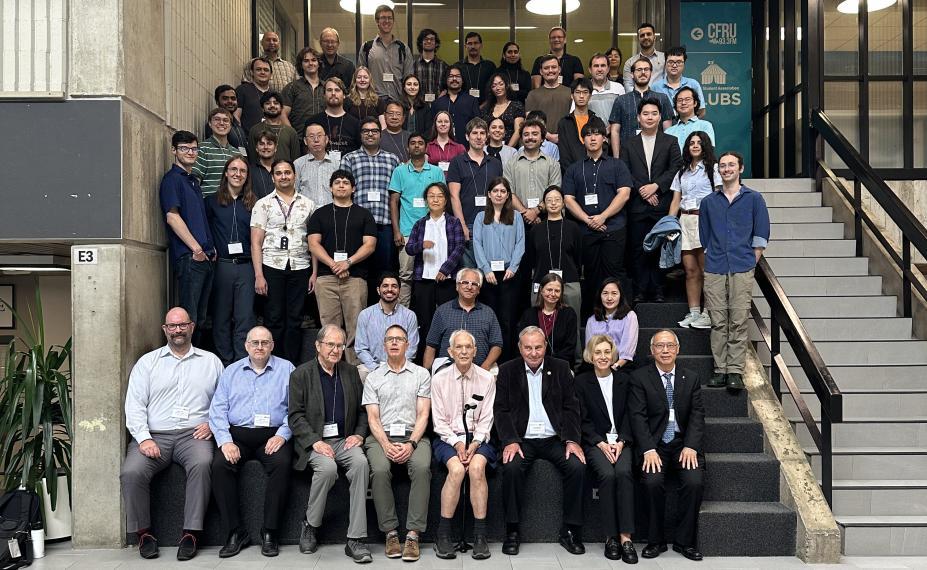
Dr. Jacek Lipkowski, professor emeritus in the Department of Chemistry at the University of Guelph, was honoured by the University of Warsaw with the renewal of his honorary doctorate. The distinction recognizes exceptional scientific achievement and longstanding contributions to academia.
The theme for Earth Day 2026 focuses on promoting renewable and clean energy. Reducing reliance on fossil fuels remains a global priority, and progress is being driven by research that improves how energy is produced, stored and used.
At the University of Guelph, faculty are contributing to that shift through work that supports cleaner, more practical energy systems.
In healthcare, AI-powered imaging systems assist with detecting abnormalities in radiology scans, segmenting organs, and tracking disease progression. In manufacturing, automated visual inspection systems can identify microscopic defects and ensure quality control at speeds that are beyond human capabilities.
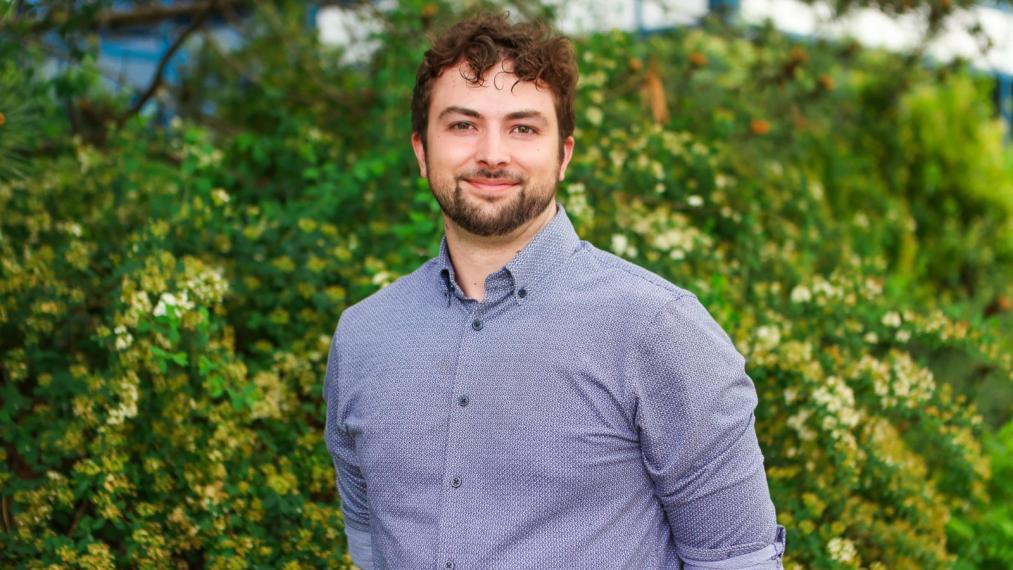
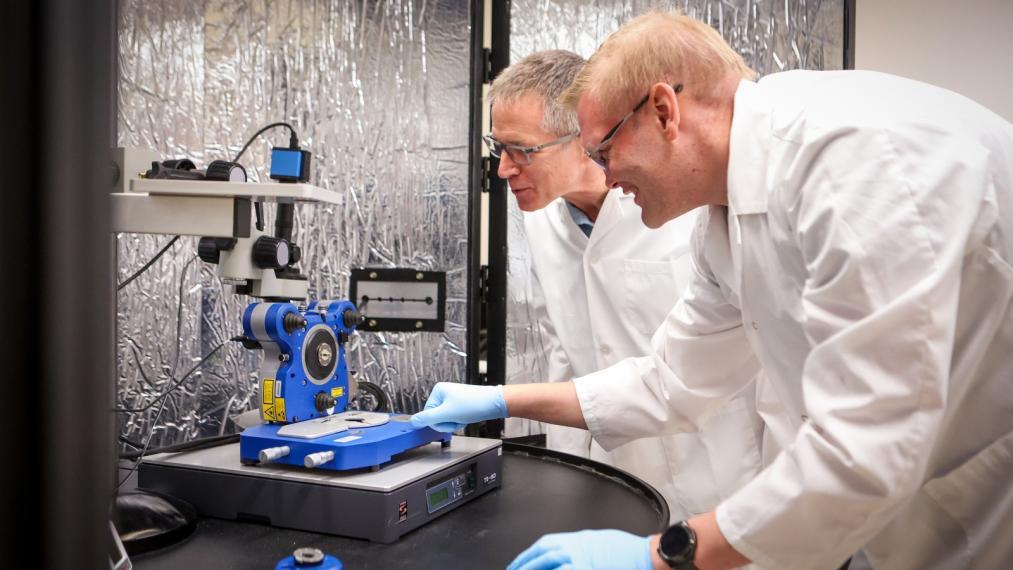
University of Guelph researchers Dr. Ed Sykes (pictured left) and Dr. Gurjit Randhawa of the School of Computer Science in the College of Computational, Mathematical and Physical Sciences have each received $25,000 from the Natural Sciences and Engineering Research Council of Canada (NSERC) through quantum research collaboration grants.
For University of Guelph student Thomas Toet, studying chemical physics is about understanding how the world works and sharing that curiosity with others. As he prepares to graduate, Toet hopes to bring that passion for physics and chemistry to the classroom as a teacher.
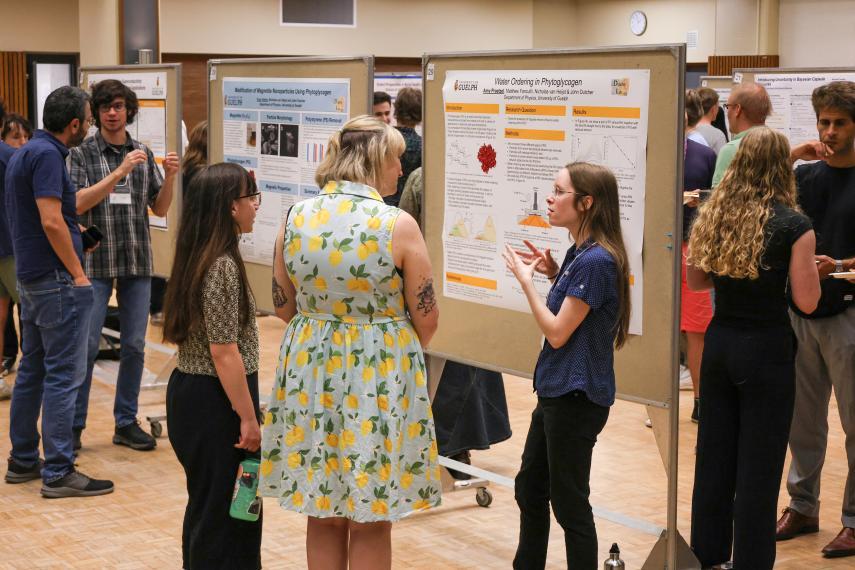
CCMPS grad students shine at inaugural CCMPS 3MT College Heat.
At the University of Guelph, Dr. Gurjit S. Randhawa is using artificial intelligence (AI) to improve how we forecast air quality, focused on coastal regions like Halifax, Charlottetown and St. John’s, where sudden sea breezes, temperature shifts and seasonal variability make predictions particularly challenging.
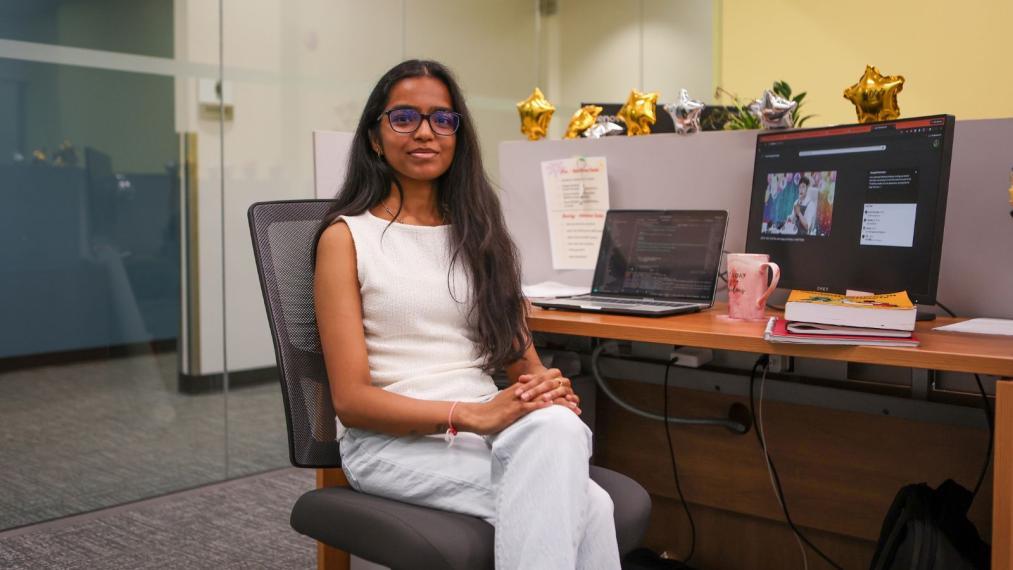
A University of Guelph software engineering student is developing an AI-powered platform designed to help research teams organize data, maintain continuity and improve collaboration across complex projects.
Quintal will spend three months in Germany working at Christian-Albrechts-Universität zu Kiel.