The University of Guelph is known internationally for its research and teaching strengths in the biological sciences. We are ranked among the top 150 universities in the world for Life Sciences, by Times Higher Education (2026).
Gain practical skills through labs, co-op, internships, field courses, and more.
Wide Support Network
Access science-specific academic and career advisors, student clubs, alumni and upper-year mentors.
Build a Foundation
Graduates go on to pursue a wide range of careers in health care, veterinary medicine, research, government, and for-profit and not-for-profit sectors.
Top 150 in the World
for Life Sciences (Times Higher Education 2026)
Top Comprehensive University
in Canada (Maclean's)
Top 5 in Canada for Life Sciences
Top 4 for Life Sciences Teaching (THE 2026)
Top 20% in the World
for Biological Sciences (QS World University Rankings by Subject 2026)
Meet Junpyo
Originally from South Korea, Junpyo Lee shares his experiences in the Bio-Medical Science major, including a visit to the Human Anatomy laboratory, and the support he's received since joining the University of Guelph.
"You can always reach out to people on campus, such as the Experiential Learning Hub. That’s where you will find a lot of help, free help, with writing your resume, cover letters, preparing for your interviews."
Health and Nutritional Science
As a global leader in anatomy, physiology and nutrition, the University of Guelph is a top choice for students interested in pursuing careers in human health and nutrition. Learn from sought-after experts in the classroom, through labs, including one-of-a-kind hands-on dissection courses for Bio-Medical Science and Human Kinetics students, and independent research projects.
Explore our majors:
The Bio-Medical Science program provides a broad and integrated foundation in human and animal health, including through the study of physiology, anatomy, biochemistry, epidemiology, immunology, pathology, and nutrition, as well as opportunities to build the practical skills you’ll need after graduation.
This interdisciplinary major will give you a strong foundation in the science disciplines relating to toxicology, drawing on the biological, physical and social sciences. Improve health and welfare by learning about pharmacology, environmental poisons, industrial chemicals and the impact on living beings. Your knowledge will span fields such as biomedical physiology, nutrition, environmental chemistry, pathology and culminate in your choice of a toxicology research project. Learn more about Biomedical Toxicology.
As a Food Science student, you will learn the skills and nuances of the industry to contribute to the food system and be able to work anywhere in the world. Food scientists fill the gap between the production of farm goods and the delivery of food to the global consumer. They apply chemistry, physics and microbiology to the processing and product development of safe and healthy foods.Learn more about Food Science.
Human Health and Nutritional Sciences explores the biological, physiological, and nutritional foundations of human health, with a particular emphasis on the importance of lifestyle choices and the potential for innovative products to prevent illness, boost performance and promote long-term well-being.Learn more about Human Health and Nutritional Sciences.
Human Kinetics is focused on the science behind human movement and the role of nutrition at the cellular and system level. Students gain a broad understanding of human biology, including anatomy, physiology, nutrition and biomechanics.Learn more about Human Kinetics.
The University of Guelph is a leader in neuroscience, with students learning from experts who regularly contribute to important advancements and discoveries. After building a foundation in the biological sciences in your first two years, you can choose from electives focusing on neurobiology, health and disease, computation, modelling and statistics, and psychology. Learn more about Neuroscience.
Animals and the Environment
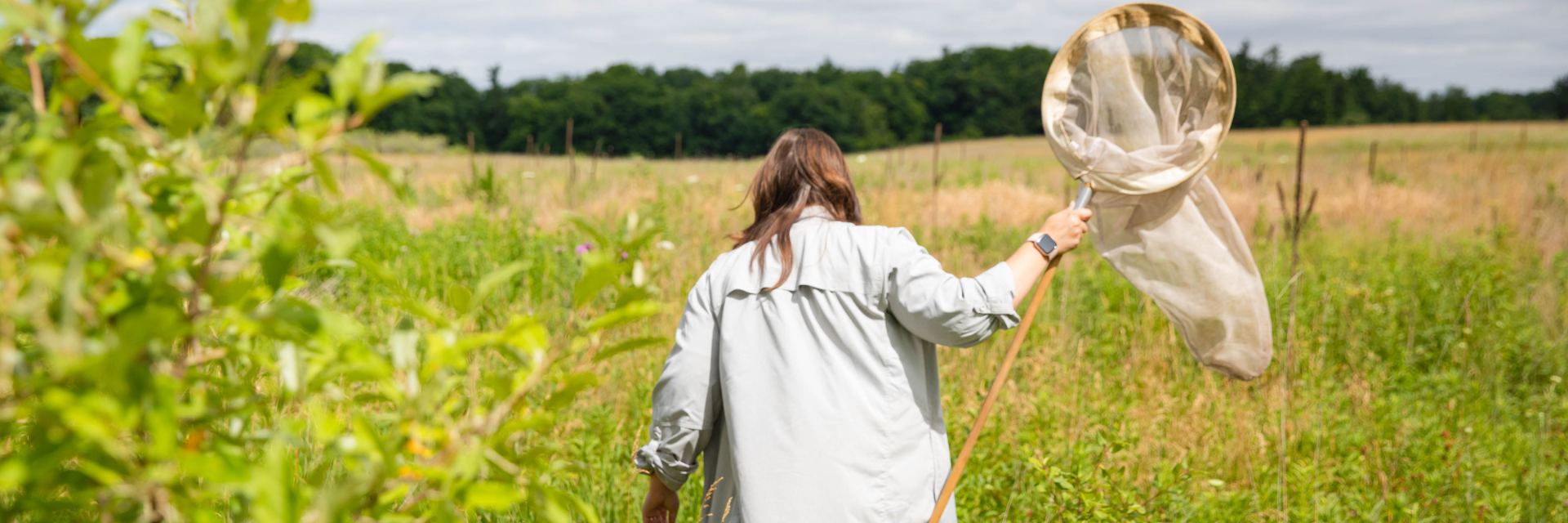
Take your studies beyond the classroom with hands-on learning in the lab or the field, including field courses to Algonquin Provincial Park and the Bay of Fundy. Get involved in research through self-directed projects or research assistantships. Access exceptional on-campus facilities, including an aquatic research facility, greenhouses, Centre for Biodiversity Genomics, and 400-acre Arboretum.
Explore our majors:
Explore what animals need in order to thrive - from an individual to community level. Learn how nutrition, genetics and welfare can improve animals’ lives, the food supply chain and our environment. You’ll learn all of this from distinguished animal physiologists, nutritionists, geneticists, and behavioural science specialists.Learn more about Animal Biology.
Marine and Freshwater Biology capitalizes on the University of Guelph's recognized excellence in aquatic research. In this major, you will build upon core courses in ecology, evolution, genetics, physiology and zoology as you study freshwater and marine environments and work with aquatic organisms in the field and the lab.Learn more about Marine and Freshwater Biology.
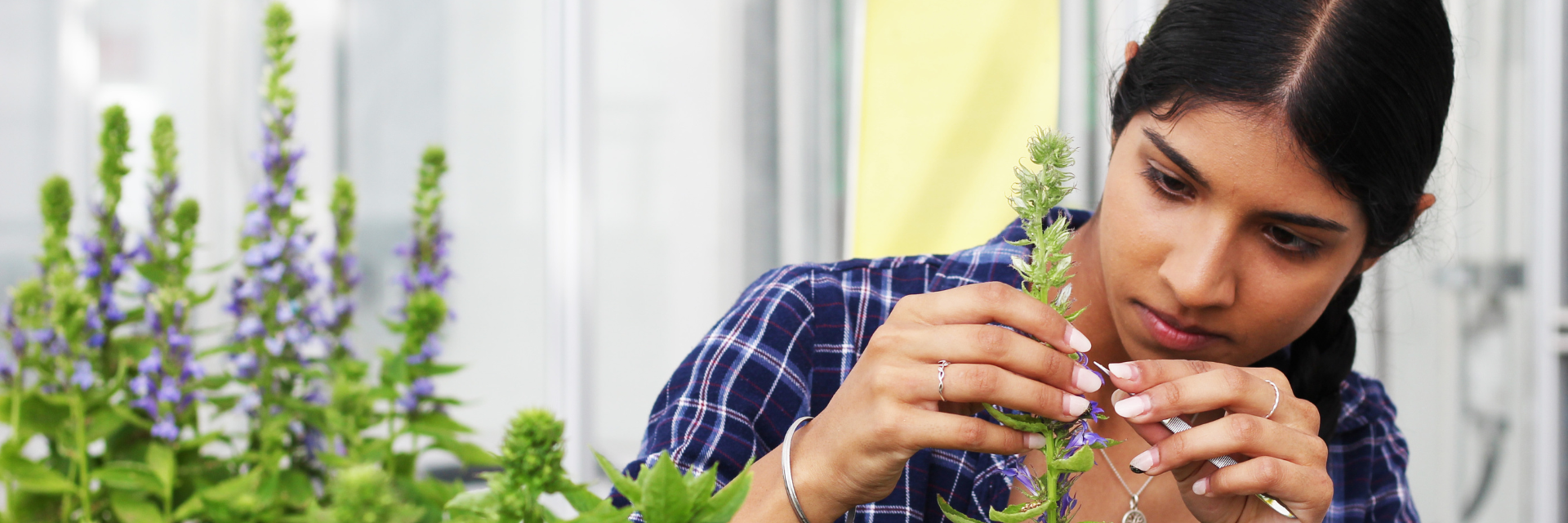
This degree empowers you to explore the intricacies of plants through the study of their diversity, growth, development, environmental interactions, and various economic uses. Additionally, you will gain knowledge of advances in molecular biology, plant ecology, systematics, physiology, botany, genetics, agriculture, ethnobotany and biotechnology. Learn more about Plant Science.
Building on the University of Guelph’s long-standing reputation in the areas of biology and natural resource management, Wildlife Biology and Conservation is the only major in Canada that fully integrates ecology, evolution, and conservation into a four-year degree. You’ll explore the biology, ecology and management of terrestrial wildlife, from large mammals to birds, and the important role of conservation in a rapidly changing world. Learn more about Wildlife Biology and Conservation.
The Zoology major at the University of Guelph provides a strong foundation in the structure and function, physiology and ecology of vertebrates and invertebrates. You’ll explore topics ranging from animal behaviour and ecosystems to the evolution of invertebrates, while developing the knowledge and skills to investigate how animals adapt, survive, and respond to environmental change. Learn more about Zoology.
Molecular and Cellular Biology
Study the molecular and cellular processes that underpin life, explore the diversity of micro-organisms around us and dive into some of the biggest challenges facing humanity. With a strong foundation in lab skills, hands-on work experiences, and opportunities to pursue your own research questions, you’ll graduate with the skills and experiences to launch your career.
Explore our majors:
Biochemistry is the study of the molecules, processes, and reactions that underpin life. At the interface of biology and chemistry, biochemistry explores biological processes at the molecular level to better understand ourselves and the world around us.Learn more about Biochemistry.
Microbiology and Immunology provides a foundation for understanding how microorganisms interact with our bodies and the environment to either promote health or evade immune systems and treatments, and how our immune systems recognize and protect us against pathogens and other threats. Learn more about Microbiology and Immunology.
In this lab-intensive major, you will study the genetics of animals, plants and microorganisms, as well as the structure and function of cells. You’ll investigate processes in gene regulation in the context of developmental biology, as well as the molecular basis for inherited diseases and regulatory disorders. You’ll also learn about the application of molecular genetics in biotechnology and medicine. Learn more about Molecular Biology and Genetics.
Biological Science
Discover the wonders of life, from molecules to ecosystems, with a Biological Science degree. Take advantage of our cutting-edge research and teaching facilities and the opportunity to learn directly from researchers working to address some of the biggest challenges facing us today. Tailor your studies to suit your interests and career aspirations with courses in health and nutrition, animals and the environment, and molecular and cellular biology.
The Bachelor of One Health is the first of its kind in Canada. The degree looks at the interconnections between human, animal and environmental health at the individual, population and ecosystem levels, integrating both scientific and socio-cultural knowledge into one degree. With its roots in veterinary medicine and agriculture, and strengths in biological and social sciences, the University of Guelph is uniquely suited to prepare students to address complex health issues with a One Health approach.
The College of Biological Science is a globally recognized academic faculty with a mission to expand the understanding of life, from DNA to cells to complex ecosystems. It produces intrepid and interdisciplinary research in a student-centred learning environment that encourages and promotes comprehensive understanding of the systems that govern life.