
Early Researcher Awards
The Early Researcher Awards (ERA) program, administered by the Ontario Ministry of Colleges, Universities, Research Excellence and Security (MCURES), helps promising early career researchers in Ontario build their research teams.
Open to faculty within the first 10 years of their academic careers, the program provides up to $100,000 in funding, matched by their institution, to support innovative research and train the next generation of talent.
2025

Dr. Jesse Popp
School of Environmental Sciences
Ontario Agricultural College (OAC)
Dr. Jesse Popp is developing Indigenous-led, collaborative research to protect declining species like moose in Ontario. Her work combines Indigenous Knowledge and Western science to create culturally grounded monitoring programs. This approach strengthens environmental stewardship, supports government priorities for Indigenous engagement and provides practical tools for working respectfully across knowledge systems to benefit both ecosystems and communities.
2023
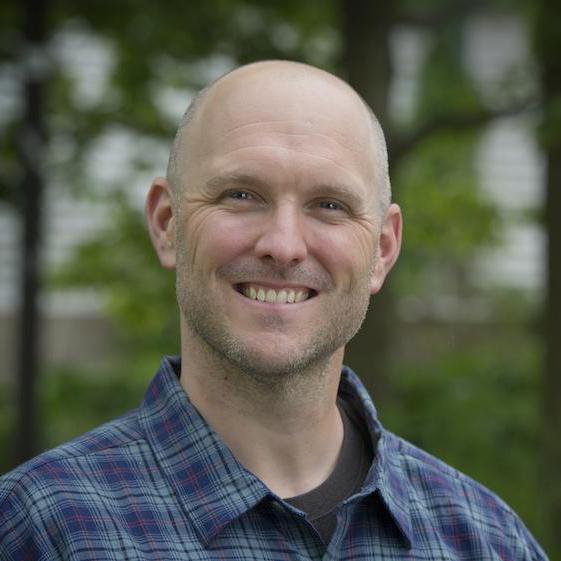
Dr. Ryan Prosser
School of Environmental Sciences
Ontario Agricultural College (OAC)
Dr. Ryan Prosser investigates how microplastics affect Ontario’s freshwater ecosystems, which are vital for drinking water, food and nutrient cycling. While most research focuses on oceans, his study measures microplastic levels and their toxicity in local rivers. This work lays the groundwork for protecting freshwater species and services from the growing threat of microplastic pollution.
2022
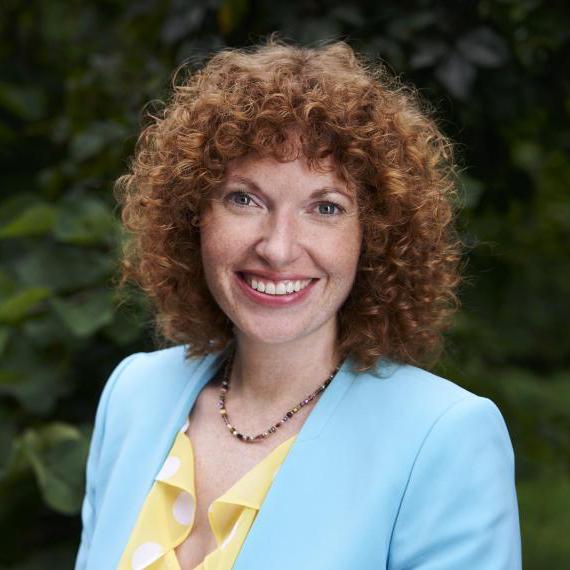
Dr. Jennifer Geddes-McAlister
Department of Molecular and Cellular Biology
College of Biological Science (CBS)
Dr. Jennifer Geddes-McAlister investigates fungal pathogens and leads a research team working to uncover new antifungal treatments and combat antimicrobial-resistant strains. Her work aims to improve outcomes for patients affected by fungal infections and reduce the health-care costs of treatment.
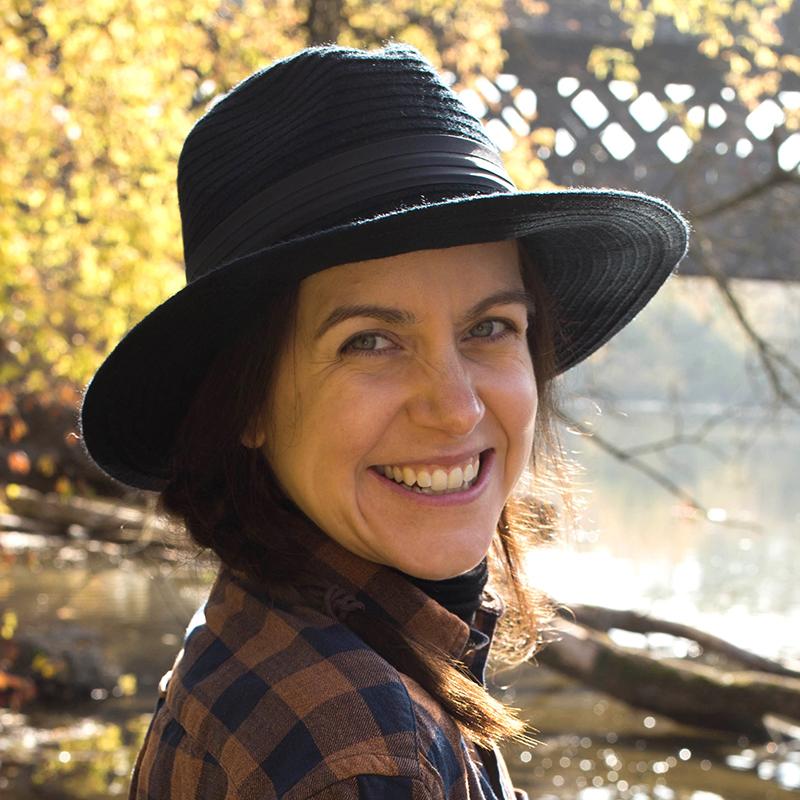
Dr. Brittany Luby
Department of History
College of Arts (COA)
Dr. Brittany Luby explores the history and living legacies of Anishinaabe-settler relations. She and her team will develop the First Nations Guide to Working with Universities, an open-access resource that demystifies academic processes. The project aims to support Indigenous communities in shaping research partnerships and outcomes on their own terms.

Dr. Kaitlyn McLachlan
Department of Psychology
College of Social and Applied Human Sciences (CSAHS)
Dr. Kaitlyn McLachlan focuses on improving outcomes for individuals with fetal alcohol spectrum disorder (FASD). Her team will co-design and test a toolkit to help identify and address the complex needs of youth with FASD in the criminal justice system, bridging a critical gap between Ontario’s justice and health sectors.
Dr. Kristel Thomassin
Department of Psychology
College of Social and Applied Human Sciences (CSAHS)
Dr. Kristel Thomassin studies children’s emotional functioning. Her research team will compare personalized psychotherapy for child anxiety and depression with current generalized treatments. This work will help refine psychotherapeutic practices by deepening understanding of children’s unique treatment needs.
2020
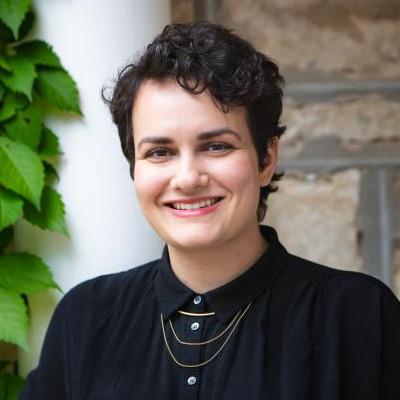
Dr. Rebecca Shapiro
Department of Molecular and Cellular Biology
College of Biological Science (CBS)
Dr. Rebecca Shapiro is using CRISPR technology to study deadly fungal pathogens like Candida albicans and Candida auris. Her research will identify new drug targets by exploring how these fungi resist treatment and cause disease, while training future scientists in advanced microbiology and genomics to help combat the global rise in fungal infections.
2019
Dr. Emily Chiang
Department of Engineering
College of Engineering and Physical Sciences
Dr. Emily Chiang is developing a new type of fertilizer to tackle both climate change and algal blooms in Ontario. By coating fertilizers with special minerals, her research aims to trap carbon in soil, reduce harmful gas emissions and keep phosphates in place, making them available to plants while preventing runoff into lakes such as Lake Erie. The solution is also designed to be economically viable.
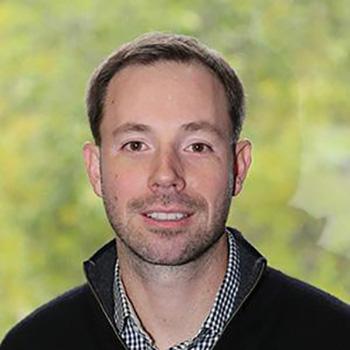
Dr. Philip Millar
Department of Human Health & Nutritional Sciences
College of Biological Science (CBS)
Dr. Philip Millar uses advanced microneurographic techniques to study how muscle sympathetic nerve activity is regulated at rest and during exercise. His research explores why individuals vary in these responses and aims to identify mechanisms controlling sympathetic outflow. This work seeks to develop better treatments and predict cardiovascular risk, addressing a leading cause of illness and death in Ontario.
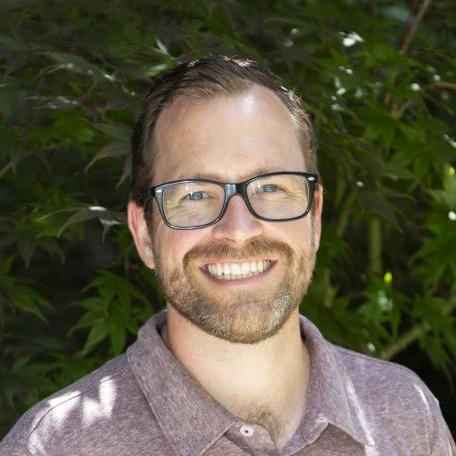
Dr. Geoffrey Power
Department of Human Health & Nutritional Sciences
College of Biological Science (CBS)
Dr. Geoffrey Power’s research investigates age-related changes in muscle properties and their impact on strength and function. With Ontario’s elderly population growing rapidly, he links cellular muscle function to whole-muscle performance and daily activities. His goal is to identify targets to improve physical function and promote independence in older adults, supporting one of Ontario’s most vulnerable groups.