Skills for Research Impact - Clear Language Writing Workshop
Hone your clear communications skills! Get tips on how to structure and write clear language summaries of your research for dissemination to lay audiences.
The Call for proposals is open from Oct. 14 until Dec. 15, 2020 at noon.
The Call is open from Oct. 14 until Dec. 15, 2020 at 1:00 p.m.
Gryphon’s LAAIR (Leading to the Accelerated Adoption of Innovative Research) funding program aims to take the best research and use it to develop new products, which should attract private sector funding, create jobs and make Ontario more competitive.
Reflect on how to engage your stakeholders throughout your research process to increase your impact, and review engagement best practices for policy, industry and community actors.
The call is open from Oct. 5 to Dec. 2, 2020.
Explore research at Ontario’s Agricultural Research Stations in this four-part webinar series hosted by the Ontario Agri-Food Innovation Alliance. These webinars will demonstrate how Ontario’s agricultural research stations provide a platform for innovative research and collaboration that benefits Ontario’s agri-food sector.
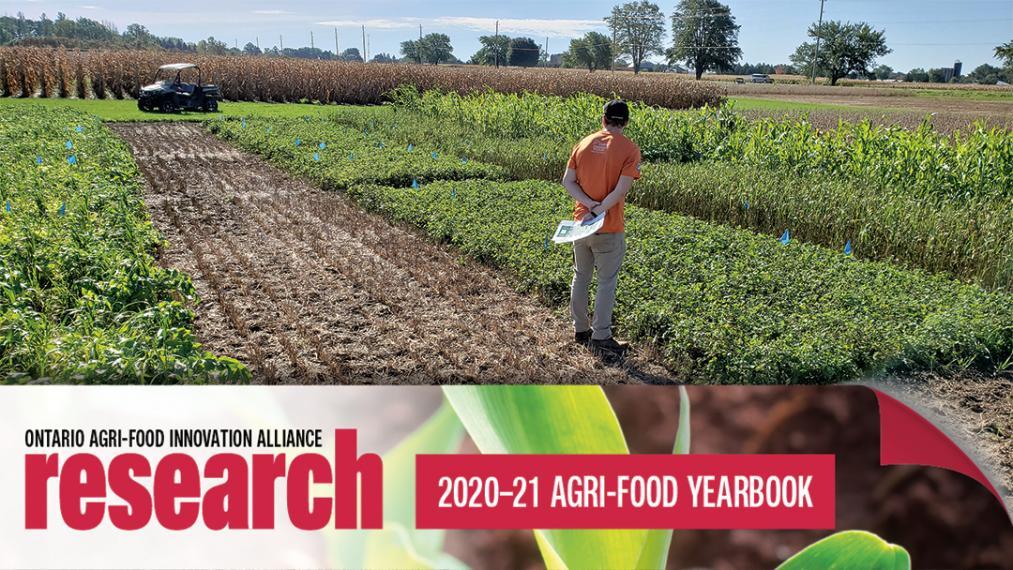
It can take time to understand trends and see results. That’s where long-term research at Ontario’s agricultural research stations comes in. For decades, long-term trials at the Elora Research Station and Ridgetown Campus have generated evidence farmers can be confident in using to make decisions related to crop rotation, tillage systems and nitrogen management.
A stubborn new fungus is attacking Ontario onions. Luckily, it does not cause food-borne illness, but it could make your onions smaller and more likely to sprout in storage, leading to potential lost revenues for growers and lower-quality onions for consumers.
Raising slower-growing broiler chickens means less efficiency for producers and potentially higher costs for consumers, but it would improve the welfare of millions of birds, according to the largest and most comprehensive study of broiler chicken welfare worldwide by University of Guelph researchers.