Master of Wildlife Biology Student Takes Conservation Training to South Africa
One of the most unforgettable moments this summer for Jenn Smith, a Master of Wildlife Biology student on a placement in South Africa, was helping feed an injured cheetah and her three cubs.
Unable to hunt, the mother and her cubs were vulnerable and hungry. To allow them to recover safely, local conservationists created a large protected area around the family known as a boma. But because the cheetahs could no longer hunt for themselves, food had to be brought in.
Jenn’s job was to open the gate, let another team member drop off a meal, then quickly close it again.
“It was definitely a rush,” she says. “For a second, there was nothing between me and four cheetahs just a couple metres away.”
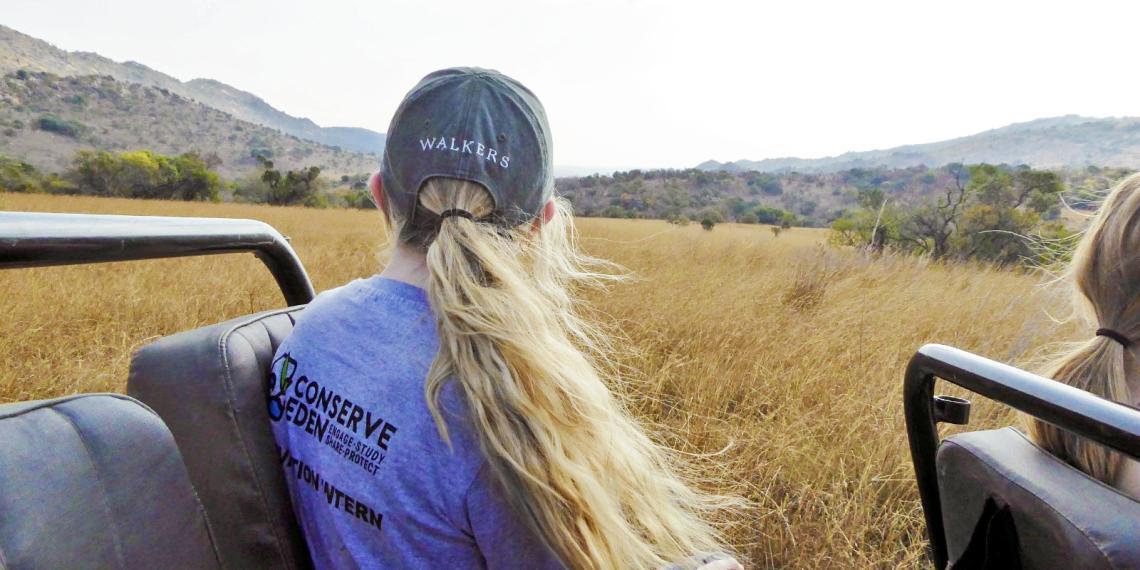
 The experience was one of many working with wildlife across South Africa through Jenn’s summer placement with Conserve Eden and Discover Eden, sister organizations that provide educational and training experiences in wildlife conservation and rehabilitation.
Three other Master of Wildlife Biology students joined her on the trip, while another student took a course focused on marine biology.
The Master of Wildlife Biology program allows students to select internships that match their interests. After spending time in South Africa two years ago, Jenn knew exactly where she wanted to go.
"Anyone who goes to Africa calls it 'the bug' because you get bitten by it," she says. "The moment you're there, it's incredible. The wildlife, the scenery, the atmosphere. It's addictive."
 Jenn spent her first five weeks in South Africa’s Karoo Region as part of an internship program. She then spent two weeks in Kruger National Park for the Big Five course, focused on lions, leopards, rhinos, elephants and buffalo.
Through partnerships with conservationists across the country, Conserve Eden and Discover Eden give trainees the chance to work with a wide variety of species and develop practical skills in different areas of wildlife conservation.
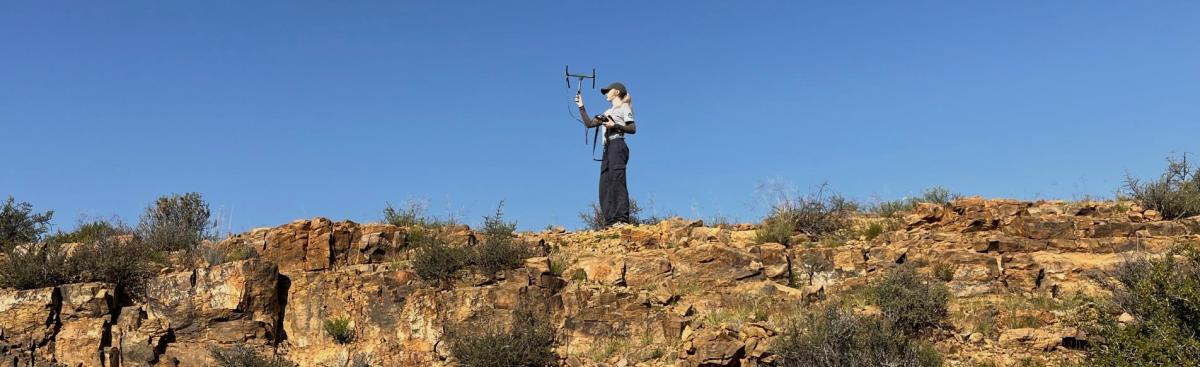
Some days involved checking camera traps, which use sensors to photograph wildlife as they pass by. Jenn also developed skills in telemetry tracking, which uses electronic tags to track animals remotely, and bird banding. During a population census of tortoises, she helped locate the animals, mark them with paint and record information about their size, sex and location.
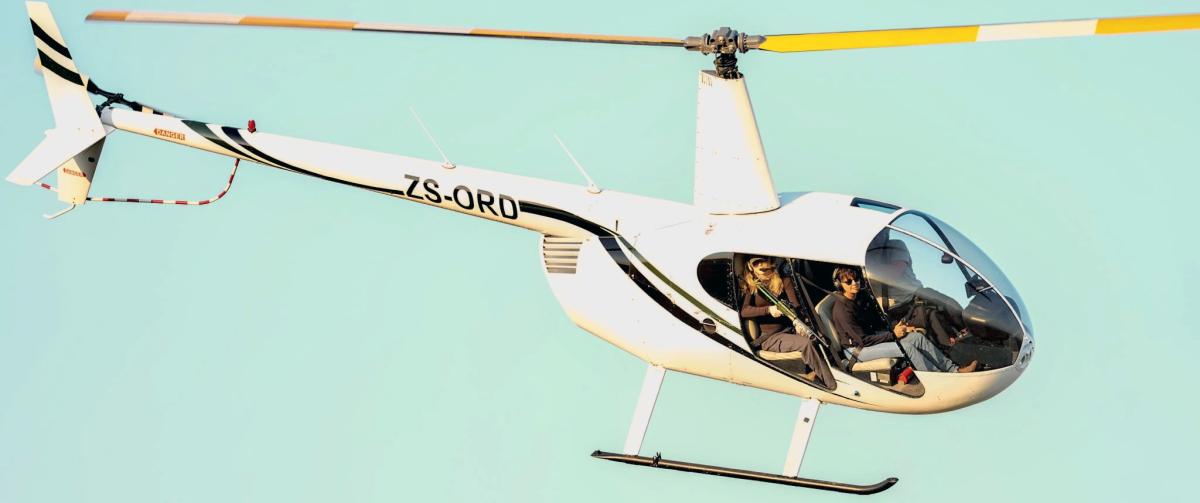
Near the end of the placement, students climbed into a helicopter for a training exercise designed to test their darting skills. Using a dart gun, they attempted to hit a target mounted in the back of a moving truck from the air. Wildlife rehabilitators use dart guns to remotely sedate animals when they need medical treatment or care.
"If you hit the target, the pilot would take you for a joyride," she says. "I was lucky enough to get a perfect shot!”
Jenn’s placement demanded long days in sometimes challenging outdoor conditions. One day, she hauled sandbags for an erosion control project. On another, she helped with the mass capture, relocation and release of impala.
But the experience also gave Jenn practical skills she can carry into her future career and the chance to connect with conservation professionals.
“I was outside in very physical conditions, but I proved to myself that I could do it,” she says. “It really reinforced that this is something I want to do and gave me direction for what’s next.”