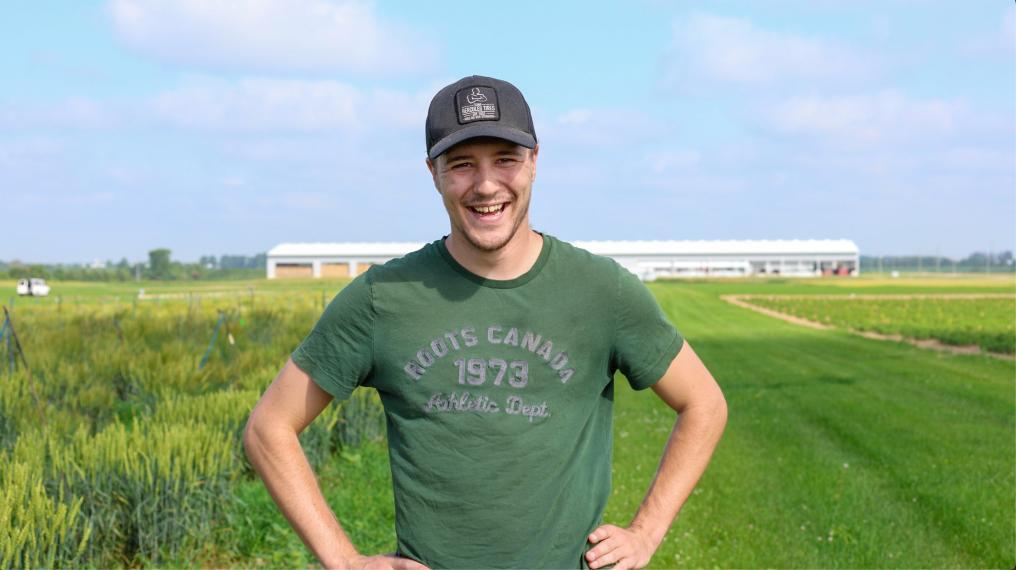
PhD Candidate Develops AI-powered App to Help Farmers Combat Crop Disease
A University of Guelph Ontario Agricultural College (OAC) PhD candidate is helping farmers protect one of Canada's most important crops using artificial intelligence.
A University of Guelph Ontario Agricultural College (OAC) PhD candidate is helping farmers protect one of Canada's most important crops using artificial intelligence.

Agriculture wasn’t always on Davina Suh’s radar.
Growing up in Richmond Hill, she didn’t come from a farming background and had little connection to agriculture. But spending time helping out in her grandma’s vegetable garden sparked an interest in plants that eventually led her to the Ontario Agricultural College (OAC) at the University of Guelph.
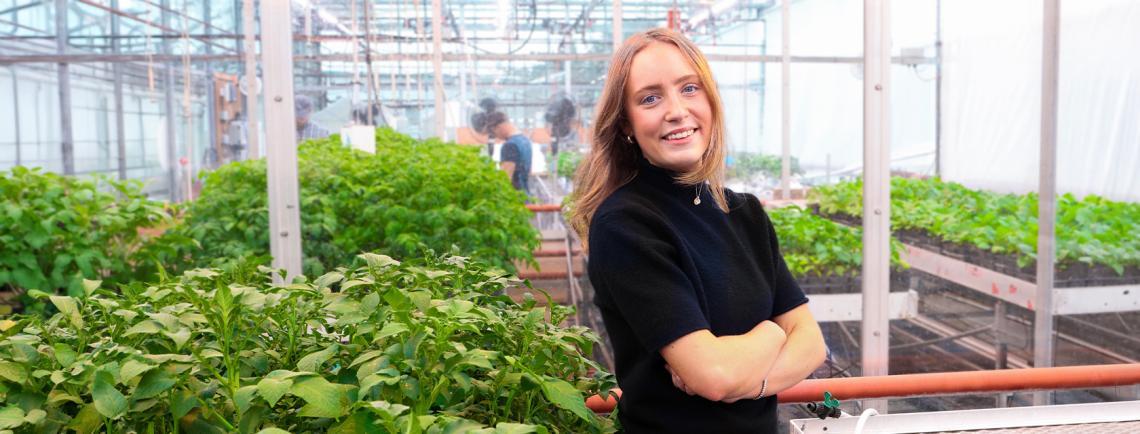
Through a unique research project, an OAC undergraduate is contributing new insights into soybean health and productivity.
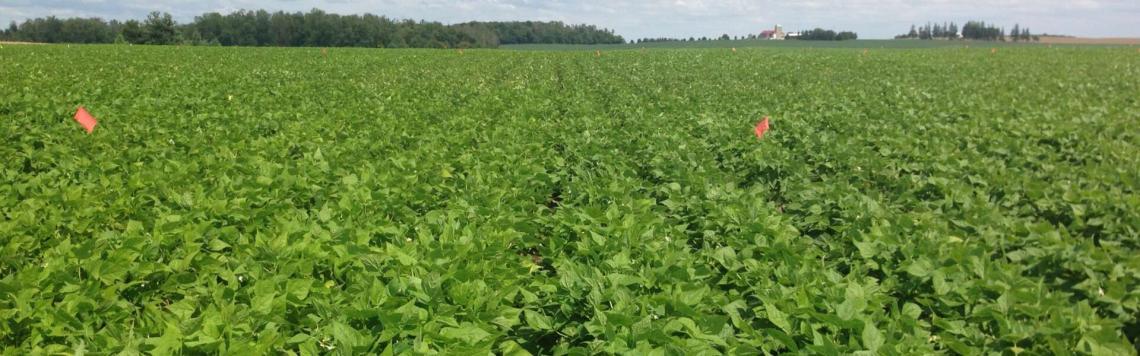
Ontario’s dry bean industry is set to benefit from new research capacity and training expertise with the appointment of crop scientist Dr. Irish Pabuayon as the professor in dry bean agronomy.

Graduate student Julianna Tindall is exploring how cover crop grazing affects soil health, crop yields, and livestock systems. Her cross-disciplinary research in OAC’s Forage and Service Crops lab impacts agronomy, economics, and animal nutrition to provide Ontario farmers with practical insights for sustainable farming.
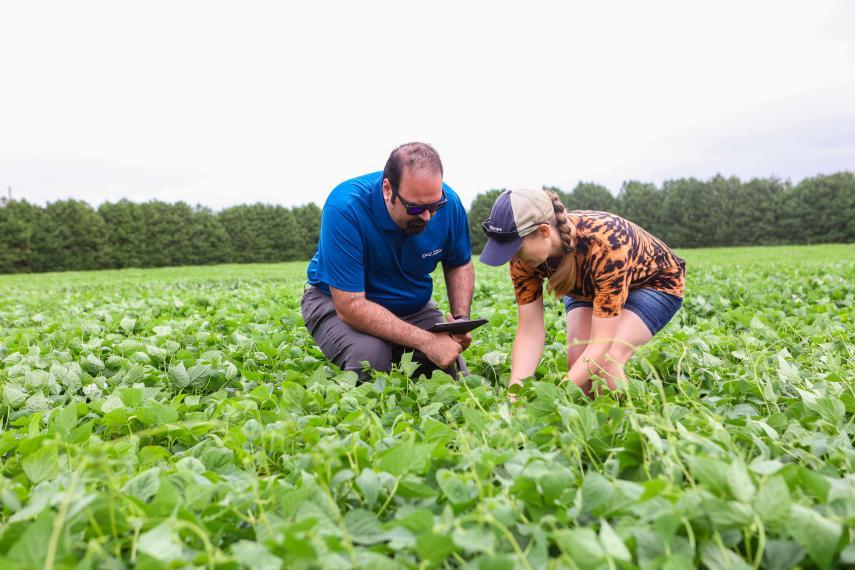
The sheer volume of raw information can be overwhelming for researchers trying to pinpoint which traits will produce the most resilient, high-yielding crops. That’s where artificial intelligence steps in.
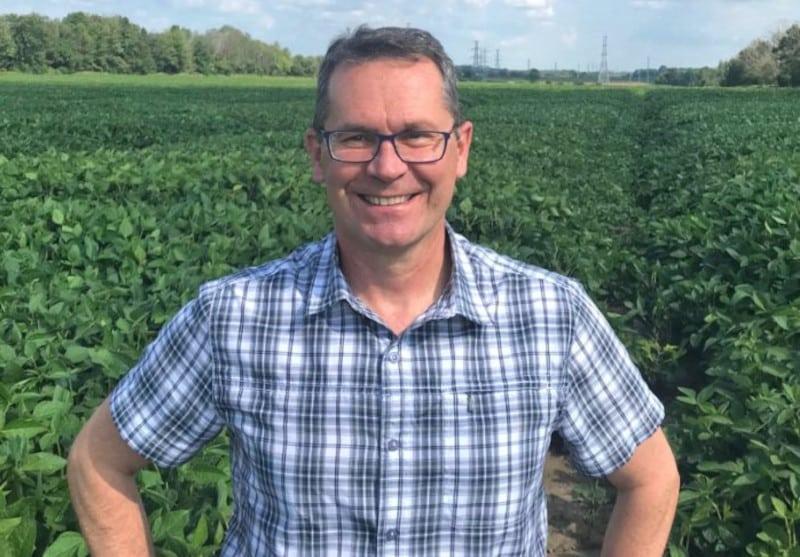
University of Guelph soybean breeder Istvan Rajcan received the NAPB Public Sector Impact Award for his global contributions to soybean genetics, including 87 cultivars and extensive mentorship in the field.
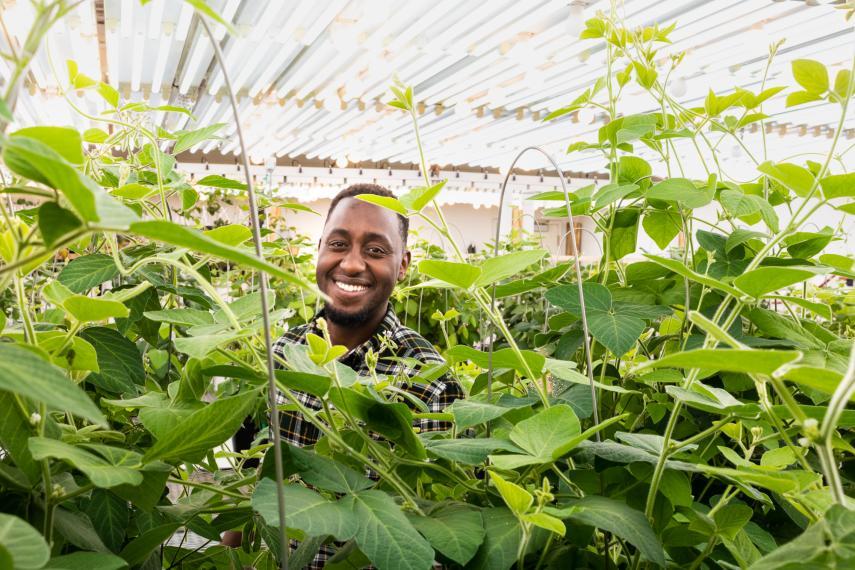
OAC Plant Agriculture PhD graduate Deus Mugabe's path to becoming a research leader in agricultural science was shaped by a deep-rooted passion for improving global food security.
Professor Hugh Earl has been appointed as the new chair of the Department of Plant Agriculture for a five-year term effective January 1, 2017.
The Department of Plant Agriculture is pleased to announce two new appointments serving turfgrass education, research and outreach effective June 27th, 2016.
Stephen Fleischauer will assume the role of the Associate Diploma in Turfgrass (ADTM) Program Director, and Prof. Eric Lyons will assume the role of Director for the Guelph Turfgrass Institute (GTI) as part of his faculty duties.
“I am excited to welcome Steve and Eric into these new roles,” shares Prof. Hugh Earl, Interim Chair of the Department.