U of G student improves communities through unique Indigenous environmental science program
Considering a career in environmental protection or conservation? Love science, the outdoors and learning about Indigenous perspectives?
Learn about U of G Student Sandreka Rowe’s experience in the Bachelor of Indigenous Environmental Science and Practice Program.
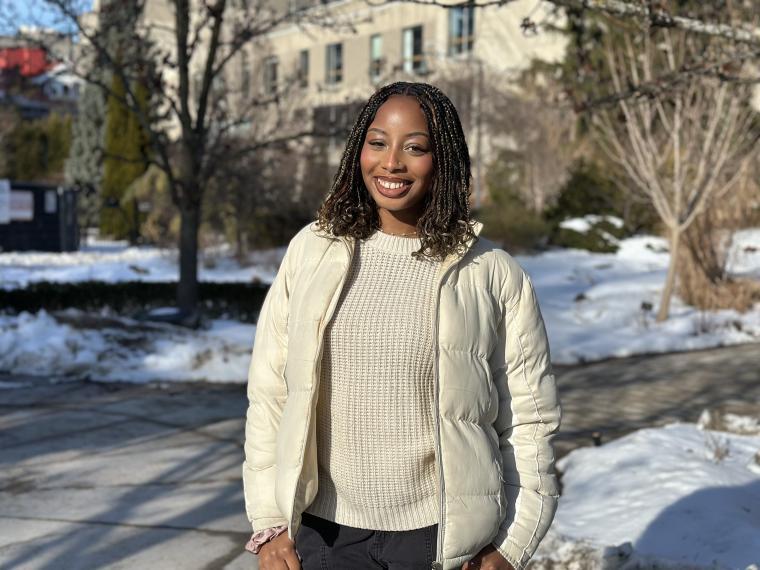
Sandreka Rowe is about to become one of the first graduates of the Bachelor of Indigenous Environmental Science and Practice (BIESP) program at U of G. Growing up in Brampton, she knew she wanted to study environmental science early on in high school. Climate change felt urgent to her, and she was frustrated by how little action she saw happening.
“The world is changing fast because of climate change, and it felt like people weren’t responding with the urgency it deserves. Especially considering how it’s impacting Indigenous communities. I felt compelled to do something,” Sandreka Rowe.
When Sandreka was looking at university programs, BIESP stood out. She applied to several environmental science programs, but this one felt different. What caught her attention was the focus on Indigenous perspectives and worldviews and how it braided together with Western environmental science practices.
“It’s so important to look at environmental science from more than one angle,” she says.
Learning from Indigenous ways of knowing helped her understand how deeply environmental science is connected to culture, community, and responsibility to the land. You don’t have to be Indigenous to be in the program, but you do need to be open to learning and listening.
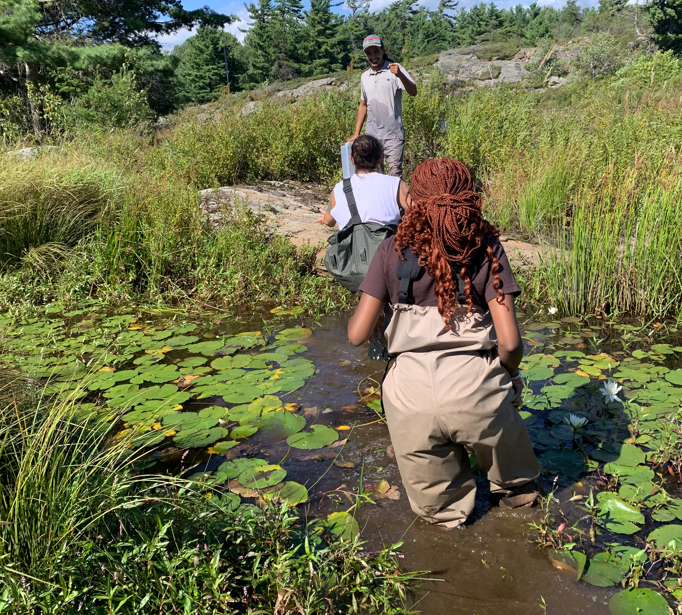
One of Sandreka’s favourite parts of the program was how hands-on it is. Many classes are land-based and project-based, with lots of time spent outside. She found that being in nature helped her connect more deeply to what she was learning and sparked a real passion for environmental protection. The University of Guelph Arboretum became a favourite place, both for classes and quiet time. Some courses were held entirely outdoors, where students learned to identify trees, plants, and insects right on campus.
“Being in nature was a big part of how I connected to the program,” says Rowe. “The more time we spent outside, the more motivated I felt to protect the environment.”
One of her favourite courses, Natural History of the Great Lakes Region, combined outdoor labs with hands-on learning and exploration of different habitats. Through research projects and community visits, she also worked with Elders and learned the importance of including Indigenous voices in environmental decision-making.
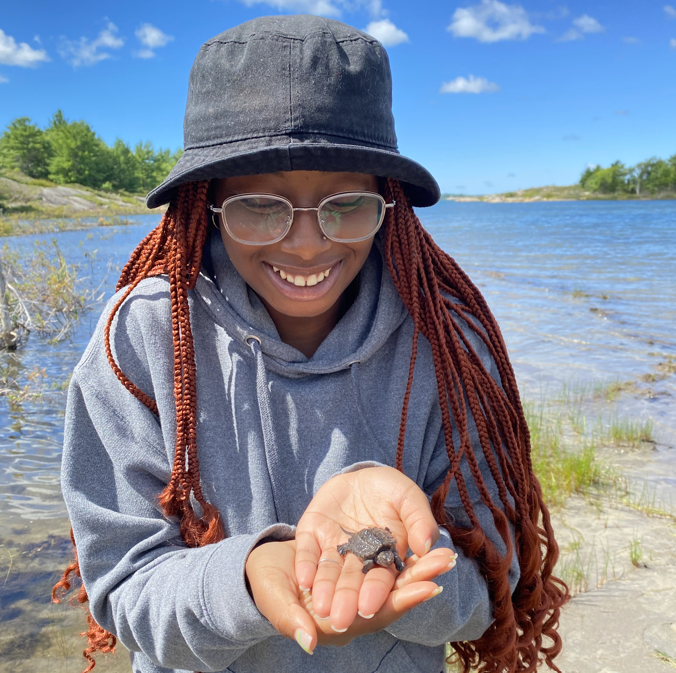
“Working with Elders and being part of community visits showed me how important it is to include Indigenous voices when making environmental decisions.”
Small class sizes also made a big difference. Sandreka appreciated being able to talk with her professors, ask questions, and feel known as a person, not just a student number.
“This program changed how I think about environmental science,” she says. “It taught me that protecting the environment means listening to the people and communities connected to the land.”