Meet the Two New Food Science Faculty in OAC
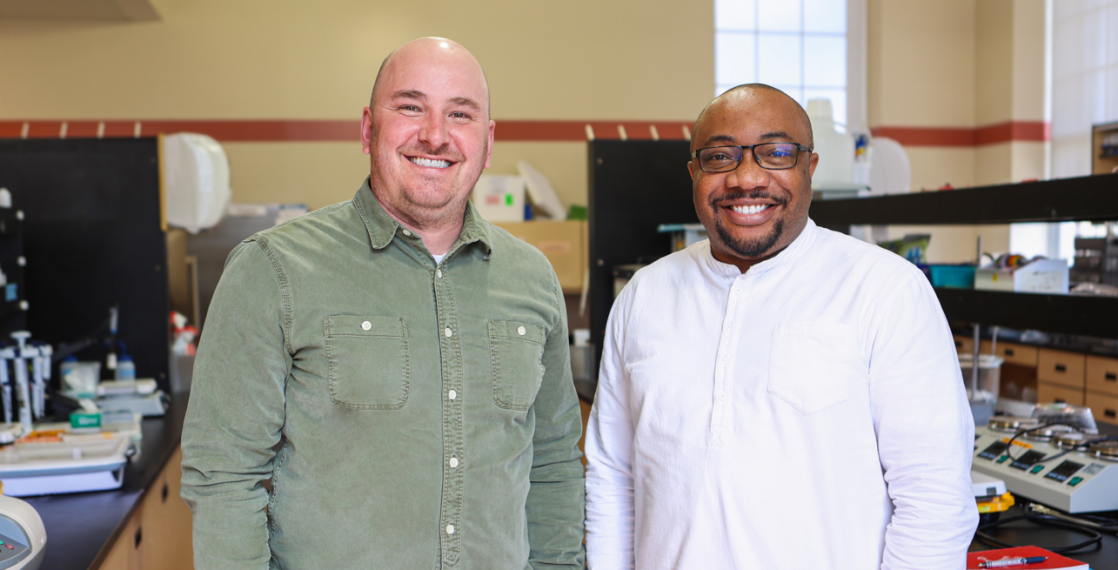
Two new faculty members are joining the University of Guelph’s Department of Food Science in the Ontario Agricultural College (OAC).
Drs. Hrvoje Fabek and Daniel Onwude bring complementary expertise that spans nutrition science, food structure, advanced processing technologies and computational modeling. Their work will support the development of healthier foods, reduce food loss and waste, and help train the next generation of food science professionals.
After several years at Empa – Swiss Federal Laboratories for Materials Science and Technology, and ETH Zürich in Switzerland, Onwude joins U of G as a Canada Research Chair. He brings expertise in computational modeling and advanced technologies that improve food processing and preservation to reduce food loss and waste while improving nutrition, sustainability, and food system resilience. Fabek’s research focuses on how the structure and composition of foods influence human health outcomes.
Together, their work supports OAC’s broader mission to address global challenges related to food quality, nutrition, sustainability and food security.
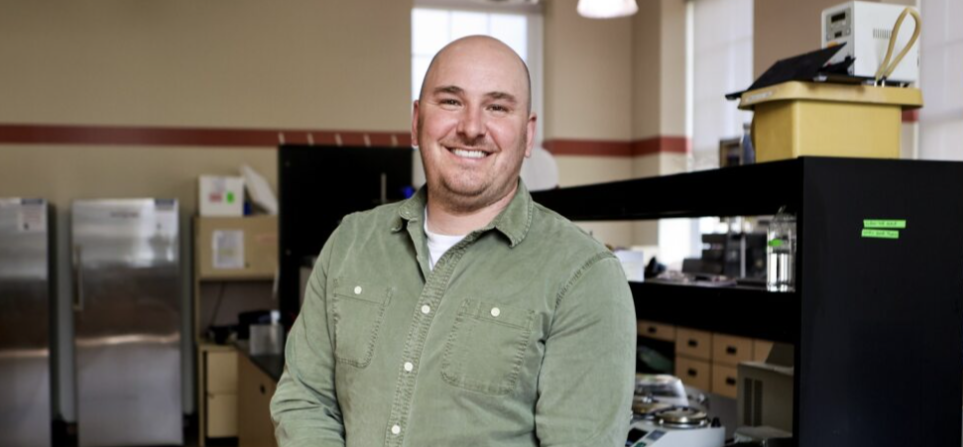
Understanding how food structure affects health
Fabek returns to U of G after completing both his undergraduate and graduate studies at U of G.
“My academic journey and dedication to research and teaching excellence began at Guelph,” says Fabek. “What particularly drew me to return was the opportunity to contribute to a community that values teaching and scientific excellence and one that has a real-world impact.”
Fabek’s research focuses on how the physical and chemical structure of foods—often referred to as the “food matrix”—affects digestion, metabolism and cardiometabolic health.
“Many people think the relationship between food and health is determined solely by calories or specific nutrients like fat, sugar or protein,” he said. “In reality, the structure of a food (how those nutrients are organized) plays a major role in how our bodies respond.”
His research aims to generate scientific evidence that can support food innovation, public health recommendations and regulatory policy. By understanding how food structure influences health outcomes, his work can help food manufacturers develop more nutritious products while informing dietary guidelines and labeling policies.
“Food science sits at the intersection of chemistry, processing, physiology and nutrition,” says Fabek. “Curiosity and critical thinking are essential.”
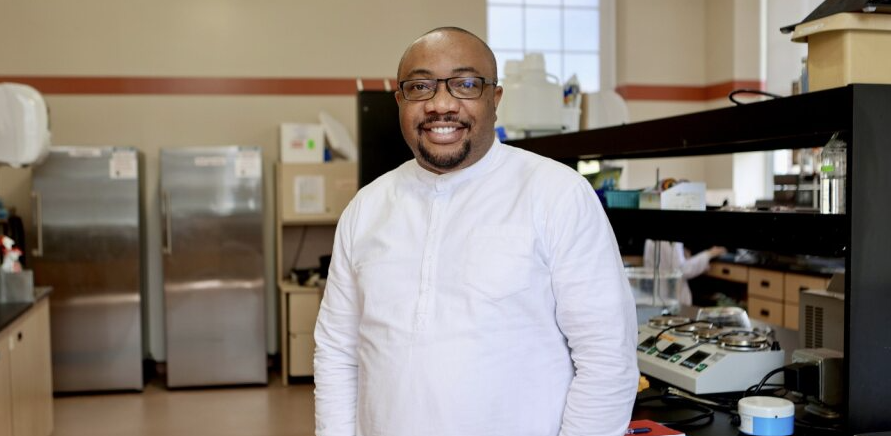
Using technology and data to improve food systems
Onwude’s research focuses on improving food processing and preservation systems using advanced technologies, computational modeling and data science.
“I decided to join the University of Guelph because of its global leadership in agriculture and food sciences,” says Onwude’s. “I’m excited to join a place where my research and teaching can help preserve food quality better, reduce food waste, advance sustainability and expand equitable access to nutritious food.”
His work examines how food changes throughout the supply chain and how those changes affect nutritional quality.
By combining food science, engineering, computational biophysics and artificial intelligence, Onwude develops digital tools and technologies that help food producers, processors, and retailers maintain quality and reduce waste.
“Food processing is an exciting field that connects science, technology and real-world impact,” he said. “Innovation in this space can help solve global challenges such as food security, sustainability and human health.”
His research has broad applications across the food system, benefiting farmers, processors, retailers, logistics companies and policymakers seeking solutions that strengthen food security and improve sustainability.
With the addition of Fabek and Onwude, the University of Guelph continues to expand its leadership in food science research and education, advancing innovations that support healthier foods and more resilient food systems.